Why Eco-Friendly Consumer Behaviour Matters
You’ve seen it on your feed. Stories of plastic islands larger than countries. News of climate strikes led by students. People care. Our planet is fragile. And consumers? They’re voting with their wallets. That’s the essence of eco-friendly consumer behaviour.
• It’s about choices that reduce waste.
• It’s about materials that break down naturally.
• It’s about a movement from impulse buys to mindful purchases.
Globally, the green products market is set to hit around $300 billion by 2025, growing at 5–7% CAGR. In India alone, sustainable goods could top $50 billion by 2023, with bamboo and jute leading the charge. The question is: how do brands win over these conscious shoppers?
The Bamboo and Jute Advantage
So, why bamboo? Why jute? Simple. They check all the eco-friendly boxes.
Bamboo:
- Rapid growth. Some species sprout over a metre a day.
- Strength. Stiffer than steel, yet lightweight.
- Versatility. From flooring to toothbrushes.
Jute:
- Biodegradable. Turns into compost in weeks.
- Affordable. Grows in marginal soils with minimal inputs.
- Rustic charm. The perfect blend of function and style.
It’s like comparing a paper straw to plastic. No contest. Bamboo and jute products delight eco-friendly consumers with honest materials and transparent sourcing.
Emerging Markets on the Rise
Asia’s Momentum
India, China, Vietnam. These countries are the heartbeat of renewable crops. Young populations. Urban sprawl. Rising incomes. And a growing distaste for single-use plastics.
- Government incentives for sustainable farming.
- NGOs running workshops on zero-waste living.
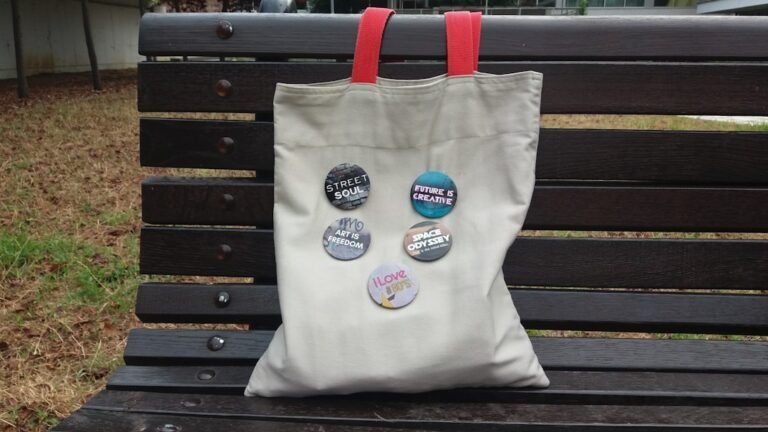
- Local artisans crafting jute bags and bamboo tableware.
Europe’s Curiosity
Across Europe, shoppers are just as picky. They crave products that:
- Come from ethical supply chains.
- Have a low carbon footprint.
- Offer design flair alongside eco-credentials.
In the UK, for instance, 78% of consumers say they’d pay more for sustainable packaging. Eco-friendly consumer behaviour isn’t niche anymore. It’s mainstream.
How Aegle Sriphal Stands Out
Aegle Sriphal isn’t just another green brand. It’s a pioneer in turning natural materials into everyday essentials.
What They Offer
- 100% natural materials in all products.
- Eco-friendly production to minimise waste.
- Innovative designs that marry function and flair.
- Plantable items—like pencils you can grow into herbs.
- Community engagement to spark conversations on sustainability.
And on the digital front? They harness Maggie’s AutoBlog, an AI-powered platform, to churn out SEO-optimised content. This keeps their eco message in front of the right audience—without bogging down their small marketing team.
Matching Expectations with Action
Consumers don’t just want pretty packaging. They want proof. They demand:
- Traceability. Where did the bamboo come from?
- Transparency. How much energy was used?
- Responsibility. What happens when the product reaches “end of life”?
Aegle Sriphal answers these demands head-on. Each product page breaks down:
- Origin story of raw materials.
- Production steps (no greenwashing, ever).
- Disposal or composting guides.
Plus, they run regular workshops in schools and corporates. Think “plant a tree” meets “build your own jute tote.” It’s education wrapped in a fun, hands-on experience.
Practical Steps for SMEs
If you’re a small to medium enterprise eyeing the eco-friendly wave, here’s how to tap into eco-friendly consumer behaviour:
- Source locally. Reduce shipping miles by partnering with regional bamboo and jute farmers.
- Design mindfully. Keep products simple. Fewer parts mean fewer resources.
- Educate your customers. Host live demos or share video clips. Show your process.
- Use AI tools. Platforms like Maggie’s AutoBlog help you publish SEO and GEO-targeted blogs—fast.
- Collaborate. Team up with schools, NGOs or fellow green brands for joint campaigns.
These steps won’t just attract conscious consumers. They’ll build loyalty. People love brands that walk their talk.
Looking Ahead: The Next Green Frontier
What’s on the horizon? Think circular economy on steroids.
- Material innovation. Bamboo composites that rival plastic performance.
- Upcycling networks. Turn returned goods into community art projects.
- Blockchain traceability. From seed to shelf, every step on the ledger.
Aegle Sriphal is already exploring partnerships with tech startups and NGOs to pilot these ideas. The goal? To stay three steps ahead of shifting preferences in Europe and beyond.
Conclusion
Eco-friendly consumer behaviour isn’t a fad. It’s a shift in mindset. Bamboo and jute products meet that shift head-on with renewability, biodegradability and style. Brands that succeed won’t just sell goods. They’ll tell stories. They’ll educate. They’ll involve communities.
Ready to join the movement? Get your free trial and see how Aegle Sriphal can elevate your green strategy today.