Introduction
Have you noticed how your pencil case has evolved? Gone are the days of plastic pens and synthetic erasers. Today, the sustainable goods market is booming with stationery made from bamboo, jute and other natural materials. People want products that feel good—and do good for the planet.
Eco-friendly stationery is no longer a niche. It’s a growing wave sweeping through schools, offices and online stores. As awareness spikes, the sustainable goods market for stationery is set to skyrocket—projected to reach billions by 2025.
Market Overview & Forecast to 2025
Global green stationery was valued at around $9.9 billion in 2023. Analysts predict it could hit close to $14 billion by 2030, with a CAGR of 4.8%. Here’s why:
• Rising environmental awareness
• Stricter plastic regulations
• Demand for recyclable, biodegradable products
• Expansion of e-commerce channels
In India alone, the total addressable market for sustainable goods is pegged at roughly $50 billion by 2023. Bamboo and jute lead the charge—affordable, renewable, and loved by eco-minded buyers.
Market Drivers
- Plastic backlash: Consumers are ditching single-use items.
- Government policies: Incentives for green manufacturing.
- Conscious living: Millennials and Gen Z value eco credentials.
- Education boom: More schools demand green notebooks and art supplies.
Market Restraints
- Digital shift: Tablets and smart pens cut into paper sales.
- Price sensitivity: Eco-friendly often costs more than plastic.
Despite these, the sustainable goods market remains on a strong growth trajectory, especially in Europe and Asia-Pacific.
Bamboo & Jute: Natural Material Champions
Why Bamboo?
Bamboo grows like magic—fast, sturdy, and chemical-free. Stationery from bamboo includes:
- Plantable pencils (embedded with seeds)
- Bamboo rulers and protractors
- Bamboo fibre notebooks
These products not only biodegrade but can sprout flowers or herbs if you plant the stub. Talk about a rewarding classroom project!
Why Jute?
Jute is the “golden fibre” of eco-products. It’s:
- Affordable and widely available
- Biodegradable in a few months
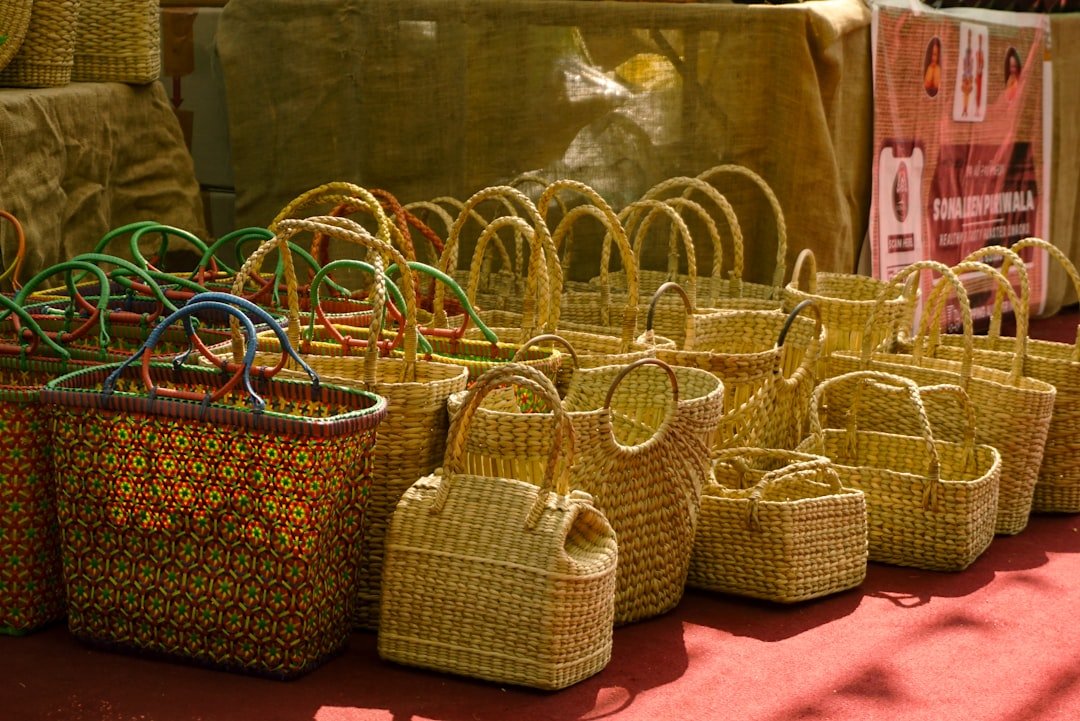
- Strong enough for bags, pouches and fashion accessories
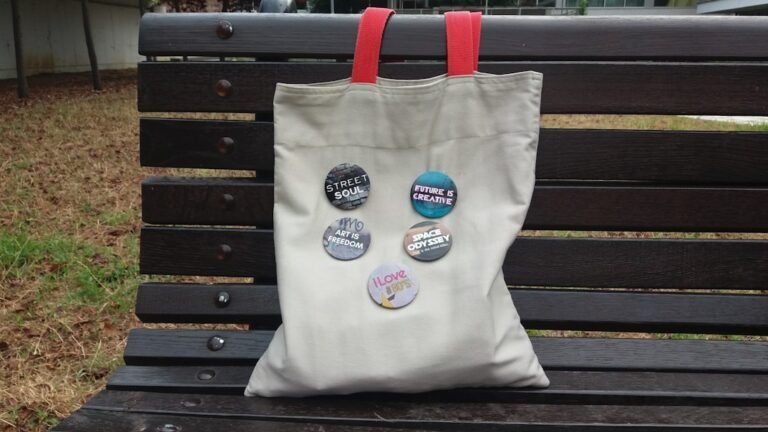
Jute stationery might be as simple as a cover for a notebook or as bold as a jute tote for your sketching kit. Versatile and durable.
Regional Spotlight: India’s Booming Opportunity
India’s youthful population and rising middle class are driving demand for eco-friendly products. Key stats:
- India’s eco goods market: $50 billion TAM by 2023
- Young demographic (under 35) seeks sustainable brands
- Government pushing bans on single-use plastics
For SMEs, India is a playground of opportunities in the sustainable goods market. Local sourcing of bamboo and jute reduces logistics costs and carbon footprint.
Competitor Comparison: Big Brands vs. Aegle Sriphal
Sure, brands like Faber-Castell and Staedtler dominate traditional markets. They offer quality ink pens and art supplies. But:
• They still rely heavily on plastic casings.
• Their green lines are often limited segments.
• Price points can be high due to global supply chains.
Aegle Sriphal flips the script. Our strengths:
- 100% natural materials
- Plantable products for education
- Eco-friendly production methods
- Community engagement for conscious living
Our Weakness? Production costs can be higher. But our higher value proposition helps us compete on brand loyalty, not just price.
Opportunities abound: as more people care about sustainability, our bamboo and jute range stands out. The threat? New green startups. Yet, we’ve built strong branding and partnerships—schools, NGOs, and B2B clients.
Marketing with AI: Empowering SMEs
For small businesses looking to enter the sustainable goods market, quality content is key. That’s where Maggie’s AutoBlog comes in. It’s an AI-powered platform that:
- Automatically generates SEO-optimised blog posts
- Delivers GEO-targeted content for your region
- Saves time and cuts overhead
By leveraging Maggie’s AutoBlog, you can spotlight your bamboo notebook range or jute pouch collection across blogs and social channels in minutes.
Practical Steps to Enter the Sustainable Goods Market
-
Source Locally
• Partner with bamboo growers and jute farmers.
• Reduce transport emissions. -
Design with Purpose
• Create reusable or plantable items.
• Highlight end-of-life benefits. -
Price Strategically
• Absorb some costs via subscription bundles.
• Offer school or corporate discounts. -
Tell Your Story
• Use blogs, videos and social proof.
• Show how plantable pencils sprout in the garden. -
Collaborate & Educate
• Work with schools on eco-projects.
• Host workshops on sustainable living.
By following these steps, any SME can carve its niche in the sustainable goods market, turning eco-friendly stationery into a reliable revenue stream.
Conclusion
The eco-friendly stationery wave isn’t slowing down. Bamboo and jute products offer clear advantages: renewability, biodegradability and a unique storytelling edge. As we edge towards 2025, the sustainable goods market will reward brands that blend functionality with green principles.
Ready to jump in? Embrace bamboo rulers, jute bags and plantable pencils. Build community trust. Share your journey. And leverage tools like Maggie’s AutoBlog to amplify your voice without hiring a full team.