Understanding Marine Plastic Pollution
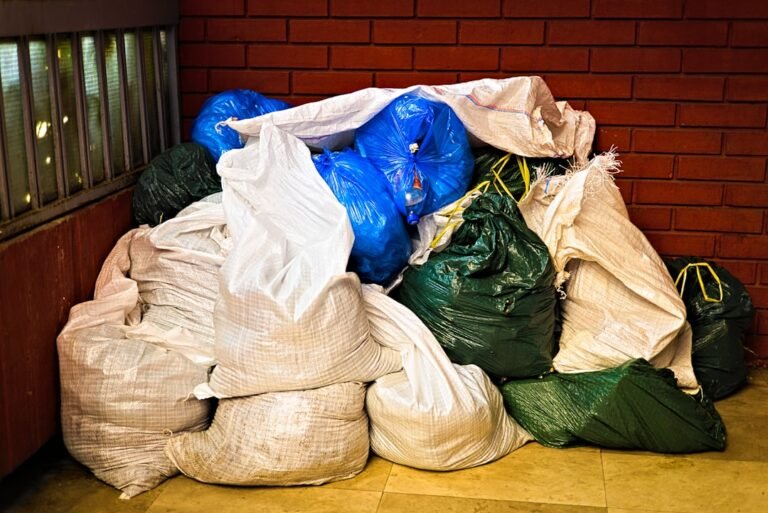
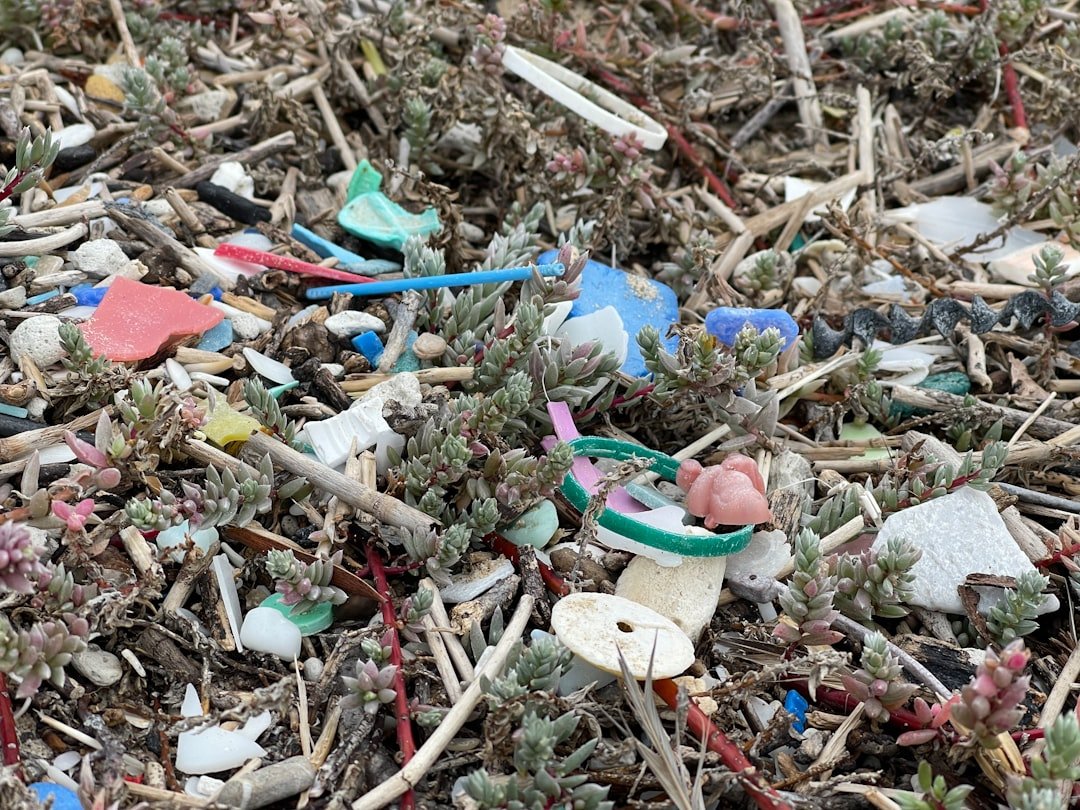
Let’s face it: our oceans are choking on plastics. From single-use sachets to microbeads in cosmetics, every day more debris drifts out to sea. You’ve seen that pile of trash on the shoreline. You’ve scrolled past turtle photos tangled in bags. And you wonder—what can we do?
The Plastic Tsunami
- Over 8 million tonnes of plastic enter oceans each year.
- Tiny fragments—microplastics—are ingested by plankton and fish.
- Wildlife suffers: ingestion, entanglement, habitat loss.
- Coastal communities bear the brunt: tourism, fisheries, health.
It’s overwhelming. But wait—there’s hope. We can shift away from oil-based plastics to biodegradable marine products. That’s where bamboo and jute come in.
Community Barriers: TONTOTON’s Approach
One clever idea comes from TONTOTON’s “Community Barrier” concept. They deploy floating fences at river mouths to catch plastic before it floods the sea. Smart. Low-tech. Community-driven.
Strengths:
– Low cost.
– Engages local volunteers.
– Reduces plastic flow.
But… barriers only collect what’s already loose. They don’t stop production. They don’t offer an alternative to oil-derived plastics. That’s a gap. And gaps need filling.
Why Bamboo and Jute are Game-Changers
Enter biodegradable marine products, made from bamboo and jute. These are not buzzwords—they’re real solutions.
Bamboo: The Fast-Growing Wonder Plant
- Grows up to 1 metre per day.
- Requires no pesticides.
- Absorbs 35% more carbon than trees.
- Naturally antibacterial.
Examples in the marine context:
– Bamboo straws that decompose in weeks.
– Bamboo toothbrushes replacing plastic handles.
– Bamboo homeware (cups, plates) for boat kitchens.
Jute: The Golden Fibre
- One of the strongest natural fibres.
- Fully compostable in a few months.
- Naturally UV-resistant and odour-free.
- Thrives with minimal water.
Marine applications:
– Jute fishing nets that degrade harmlessly.
– Jute tote bags for beach clean-ups.
– Jute rope to replace nylon lines on boats.
Both materials transform waste into nutrients. No islands of microplastics. No creatures choking. Pure cycle: material → use → compost.
Aegle Sriphal’s Biodegradable Marine Products
Aegle Sriphal has taken bamboo and jute to the next level. They craft biodegradable marine products that you can trust.
Product Spotlight: Bamboo Toothbrush and Jute Fishing Nets
- Bamboo Toothbrush: Replace your plastic brush with a bamboo handle. Soft bristles, natural finish, zero plastic waste.
- Jute Fishing Nets: Traditional monofilament nets take centuries to break down. Aegle Sriphal’s jute nets decompose in months, leaving no toxic residue.
Plus, all products use 100% natural materials, and eco-friendly production methods. It’s a win for you and the planet.
Harnessing AI-Driven Content: Maggie’s AutoBlog
Beyond physical products, Aegle Sriphal champions sustainability through content. Their AI-powered Maggie’s AutoBlog platform automatically generates SEO and geo-targeted blogs—like this one! It helps eco-friendly SMEs share best practices on biodegradable marine products without hiring a full content team.
- Automated research and drafting.
- Real-time optimisation.
- Customisable tone and region-specific language.
You get quality content that informs and inspires, while focusing on reducing marine plastics.
Explore Our Bamboo and Jute Solutions
Practical Steps to Implement Bamboo and Jute Strategies
Ready to turn the tide? Here are actionable steps you and your community can take today.
-
Audit Your Plastics
– List single-use items: straws, cutlery, toothbrushes, nets.
– Identify replacements: bamboo straws, jute cutlery pouches, bamboo toothbrushes, jute nets. -
Switch Suppliers
– Partner with eco-friendly vendors like Aegle Sriphal.
– Order bamboo cups for your café.
– Purchase jute bags for beach clean-ups or retail giveaways. -
Educate and Engage
– Host workshops on creating biodegradable marine products.
– Run school campaigns using plantable pencils from Aegle Sriphal.
– Share success stories on social media with real visuals. -
Deploy Community Barriers
– Combine TONTOTON’s floating fences with local clean-ups.
– Use jute nets to collect cumbersome debris. -
Measure Impact
– Track plastic weight diverted from the ocean.
– Monitor wildlife health improvements.
– Report progress in newsletters or blog posts generated via Maggie’s AutoBlog. -
Scale Up
– Invite local businesses to adopt sustainable packaging.
– Start B2B programmes with schools and NGOs.
– Leverage Aegle Sriphal’s community network for bulk orders.
Every switch to biodegradable marine products chips away at the plastic mountain. Little by little, we restore balance.
Overcoming Common Objections
Objection: “Natural materials cost more.”
Truth: Higher up-front costs can shrink with bulk orders and long-term savings. Bamboo straws and jute bags last longer, reduce disposal fees, and boost your brand’s green credentials.
Objection: “Biodegradable products aren’t durable.”
Truth: When sourced responsibly—like Aegle Sriphal’s bamboo homeware—they’re extremely robust. Bamboo dinnerware holds daily use. Jute rope withstands saltwater.
Objection: “Our customers won’t pay extra.”
Truth: Studies show eco-conscious consumers are willing to pay 10–20% more for sustainable items. You gain loyalty, positive PR, and lower waste management costs.
Sailing Towards a Plastic-Free Ocean
The plastic crisis feels never-ending. But the switch to bamboo and jute is simple. It’s proactive. It’s effective. It’s here. By combining community barrier concepts like TONTOTON’s with biodegradable marine products, we tackle both collection and prevention.
- You reduce new plastic production.
- You prevent existing waste from entering the sea.
- You engage communities and build green economies.
Every bamboo toothbrush, every jute net, every AI-driven blog post counts. Let’s join forces.