The Sustainable Backpack Showdown
Ready for your next adventure? You need a backpack that’s kind to the planet. Enter hemp vs jute backpacks—two champions in the sustainable travel gear ring. We’ll walk you through material strength, style points, and real-world durability so you can pick the one that lasts longest and leaves the smallest footprint.
Whether you’re trekking mountains or commuting in the city, this guide covers everything from fibre origins to care tips. You’ll see why some travellers swear by tough hemp builds and why others love the earthy charm of jute. To dive deeper into this comparison, check out Hemp vs Jute Backpacks: Aegle Sriphal’s Sustainable Product Initiative, where you’ll find community stories and product highlights.
Why Choose a Sustainable Backpack?
Plastic packs. Fading fashion. Weak seams. We’ve all faced gear failures mid-trip. A sustainable backpack solves these woes and so much more:
- Limits plastic waste end up in landfills
- Supports fair-trade farming communities
- Offers unique textures and looks you won’t find in mass-produced bags
By opting for natural fibres, you back better farming practices and get a reliable bag built to last.
The Case for Hemp Backpacks
Hemp is a throwback to tough textiles used for centuries. It grows quickly, with little water, and barely needs pesticides. Here’s why hemp backpacks, like those from Dime Bags’ Hempster fabric line, catch your eye:
- Rock-solid durability: Hemp fibres resist tears and abrasion. Your laptop won’t slip through a worn patch.
- Water resistance: Hemp repels light rain once it’s broken in and oiled.
- Comfort: The thicker weave breaks in gently, padding your shoulders over time.
Dime Bags’ smell-proof carbon-lined pockets and spill-proof compartments show hemp’s versatility. But if you crave a lighter carry or a softer feel, jute might win you over.
The Case for Jute Backpacks
Jute is the golden fibre of the east. It’s why Aegle Sriphal champions jute backpacks made by skilled artisans in South Asia. Consider these perks:
- Lightweight strength: Jute offers a high tensile ratio. The bag feels lighter but still hauls your gear.
- Natural sheen: That rustic, earthy look deepens with age. Each backpack tells a story.
- Biodegradable: At end of life, jute returns to soil—no nasty plastics left behind.
Aegle Sriphal’s jute backpacks fuse function and style. They boast padded straps and reinforced stitching, so you can haul daily essentials or weekend kit without the slump.
Comparing Durability: Hemp vs Jute
Let’s zoom in on head-to-head toughness. Here’s a quick look:
- Fibre Tensile Strength: Hemp wins by 20%
- Abrasion Resistance: Hemp excels for rough use
- Weight: Jute is lighter by up to 15%
- Water Handling: Hemp resists water better, jute dries faster
- Lifecycle: Both last 3–5 years with proper care
Still debating? You can Compare Hemp vs Jute Backpacks with Aegle Sriphal and see test photos, user reviews, and maintenance tips directly from our community.
Design, Style and Colour Options
Eco-friendly doesn’t mean dull. Both fibres take dye well:
- Hemp backpacks often come in deep, earthy hues—olive, charcoal, rust
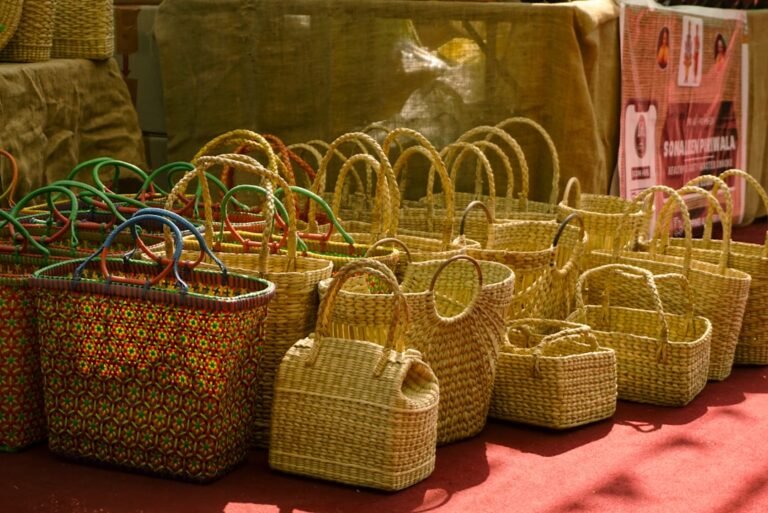
- Jute bags look stunning in natural beige, muted greens or bright block prints
Try a pattern-lined inner pocket or a classic single-colour finish. With Aegle Sriphal’s jute range, you’ll find styles from urban minimal to boho chic, all handcrafted in small batches.
Cost and Availability
Hemp backpacks can land between £60–£140, depending on features like smell-proof pockets. Jute models often start around £50 and cap at £120. Remember:
- Larger brands may price high for name value
- Direct-to-consumer from artisans keeps costs down
- Bulk orders for businesses unlock volume discounts
Aegle Sriphal focuses on South Asia, so shipping is quick and customs-free if you’re in India, Bangladesh or Nepal. For UK shoppers, look for trusted eco-retailers who stock our jute backpacks.
Caring for Your Natural Backpack
A little TLC goes a long way. Follow these steps:
- Spot-clean with mild soap and water
- Hang to air-dry—never tumble dry
- Treat hemp with natural oils occasionally
- Store away from damp conditions
With proper care, both hemp and jute backpacks keep their shape and colour for years.
Which One Suits You Best?
Ask yourself:
- Do I need maximum toughness? Hemp’s my friend.
- Want a lighter, softer feel? Go jute.
- Prefer a rustic, natural look? Jute wins.
- Expect wet weather often? Hemp handles moisture better.
Either way, you’re choosing a bag that’s built for real life and kinder to the planet.
Boost Your Eco-Business with AI-Driven Content
If you retail sustainable backpacks, you know great products need great promotion. Aegle Sriphal offers Maggie’s AutoBlog, an AI-driven platform that automatically generates SEO-optimised content. It tailors posts for your range of hemp vs jute backpacks, boosting your online visibility without the overhead of an in-house team.
Real Testimonials
“I’ve used Aegle Sriphal’s jute backpack for daily commutes. It’s so light, yet holds my laptop securely. Best eco purchase I’ve made.”
— Priya N., Mumbai
“I switched from plastic-lined packs to a hemp bag. The durability surprised me—no tears after six months. Plus, the smell-proof pocket is genius.”
— Leo S., London
“Maggie’s AutoBlog helped me write blog posts about hemp vs jute backpacks in minutes. My site traffic jumped 40% after publishing three AI-generated guides.”
— Ritu K., Delhi
Final Thoughts
Whether you pick a hemp backpack or a jute model, you’re stepping up your eco credentials. Both fibres offer unique strengths. Hemp brings rugged endurance. Jute brings lightweight charm. Your choice shapes your adventures and supports sustainable communities.
Ready to make a mindful switch? Learn more about our curated range of hemp vs jute backpacks by visiting Explore Hemp vs Jute Backpacks with Aegle Sriphal.