Why We Need Better Plastic Pollution Solutions
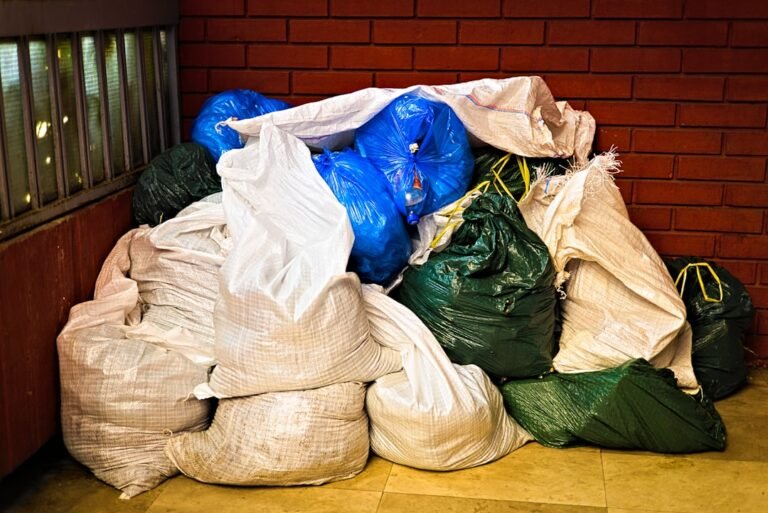
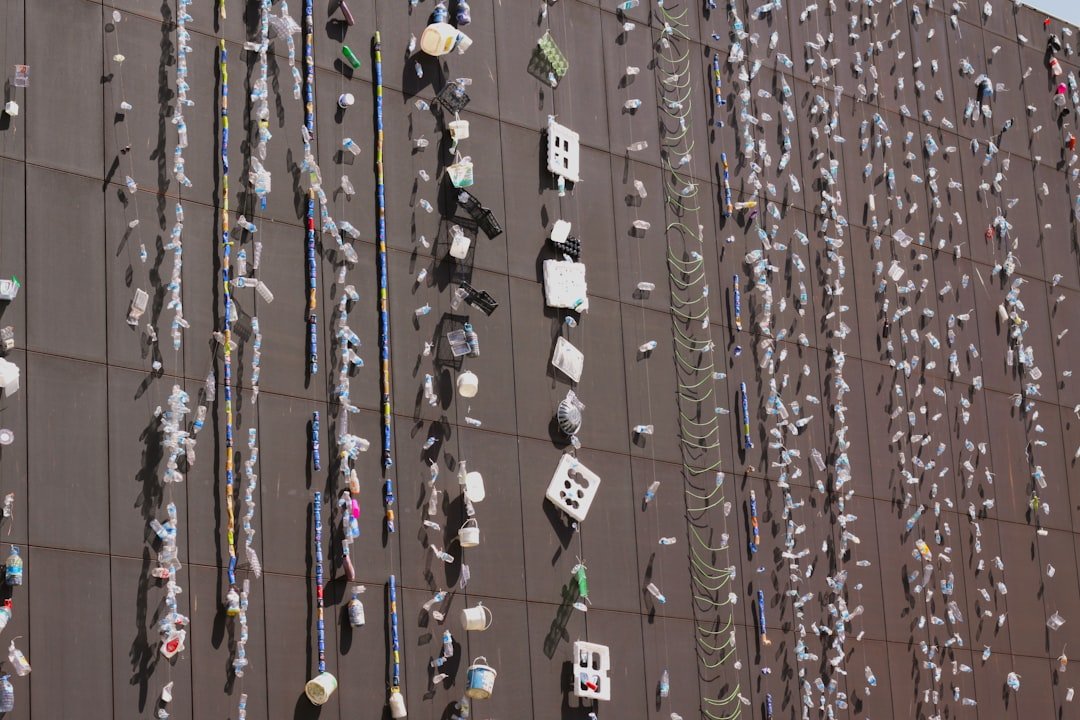
Plastic pollution solutions seem to be everywhere. Yet, global plastic production is still growing. We’re drowning in single-use bottles, bags and packaging. You’ve seen it:
- Plastic islands in the ocean.
- Straw-strewn beaches.
- Microplastics in tap water.
These images sting. They force us to ask: are our current approaches enough? Recycling is a start, but it’s like bailing out a leaking boat without plugging the hole. We need to go deeper. We need to explore real plastic pollution solutions that tackle the root cause.
Plastic Collective, for example, has built fantastic programmes. They help communities set up small-scale recycling micro‐enterprises. They offer machinery, training, and even a plastic offsetting scheme for businesses. They’re heroes in their own right. But recycling still treats the symptom rather than stopping the bleeding. It’s time to explore alternatives that vanish the need for plastic in the first place.
The Drawbacks of Recycling-First Approaches
Recycling is great. But:
- It’s energy-intensive.
- Many facilities lack capacity.
- Some plastics aren’t commercially viable to recycle.
You end up with piles of sorted bottles and bags, only to watch them shipped overseas. Or worse, landfilled. Few programmes address the relentless flow of virgin plastic at source. That’s why we need complementary plastic pollution solutions—like swapping out plastic, not just sorting it later.
Bamboo and Jute: Nature’s Response to Plastic Pollution Solutions
Imagine materials that grow back in months, not centuries. Meet bamboo and jute.
Why Bamboo Rocks
- Grows up to a metre a day.
- No fertilisers or pesticides needed.
- Turns into a sturdy fibre or hard-wearing board.
Why Jute Makes Sense
- Cultivated from an annual plant.
- Soft, strong fibres perfect for bags and textiles.
- Biodegrades naturally in soil and water.
Together, they form a tag team against plastic. Instead of a plastic bag that lasts 500 years, you get a jute tote that you can compost. Instead of a plastic toothbrush, you get bamboo bristles on a handle that returns to earth. That’s the heart of new plastic pollution solutions—materials that vanish harmlessly.
Aegle Sriphal vs Plastic Collective: A Balanced Comparison
Both Aegle Sriphal and Plastic Collective want cleaner oceans and landfills. But they tackle the issue from different angles.
Plastic Collective focuses on:
– Waste collection and recycling micro‐enterprises.
– Education programmes in communities.
– A plastic offsetting scheme for businesses.
It’s a solid model. You reduce existing waste. You empower locals. You offset corporate footprints. Yet, you still rely on plastic to exist. Recycling can’t truly erase microplastics or toxic additives.
Aegle Sriphal complements recycling with replacement:
– 100% natural materials in every product.
– Innovative designs in bamboo homeware and jute accessories.
– Plantable pencils and educational campaigns.
– B2B collaborations to embed sustainability at scale.
– A high-priority service, Maggie’s AutoBlog, helping eco-brands get discovered online.
We plug the leak at the source. We replace plastic items with real, renewable options. Then we recycle what’s left. That double-barrel approach is a game plan for robust plastic pollution solutions.
Implementing Bamboo and Jute in Everyday Life
Switching to bamboo and jute isn’t radical. It’s practical.
• Morning routine
– Bamboo toothbrush.
– Jute carry pouch for your soap bar.
• Work essentials
– Jute laptop sleeve.
– Bamboo pen with plantable seed capsule.
• Kitchen and home
– Bamboo cutting board.
– Jute produce bags in place of plastic sacks.
Every swap chips away at plastic waste. And small changes add up. Imagine everyone ditching a plastic straw—that’s millions of straws saved daily. Now multiply that by jute bags, bamboo utensils and plantable pencils. You start to see the bigger picture of real plastic pollution solutions in action.
Discover our bamboo and jute products
Bringing It All Together: Education, Design and Automation
Real impact needs more than good intentions. It needs education and reach.
Aegle Sriphal doesn’t just sell products. We run workshops in schools. We partner with NGOs. We create B2B programs in offices. We teach why plastic pollution solutions must include:
- Source reduction.
- Compostable materials.
- Circular-economy thinking.
On top of that, our high-priority service—Maggie’s AutoBlog—helps sustainable SMEs amplify their message online. It auto-generates SEO- and GEO-targeted blog content so your eco-friendly brand shows up when customers search for plastic pollution solutions. Think of it as a megaphone for planet-positive businesses.
Conclusion
Plastic pollution solutions won’t come from recycling alone. We need to reimagine the lifecycle of everyday items. Bamboo and jute emerge as clear winners—fast-growing, renewable, and home-compostable. Combined with education programmes, design innovation and digital amplification via Maggie’s AutoBlog, we can tackle waste at every stage.
Let’s plug the leaks. Let’s swap plastic for bamboo and jute. Let’s build a future where landfills shrink and oceans breathe free. The solution is simple: feed your habits with nature, not oil.