Why Bamboo Non-Woven Fabric Matters Today
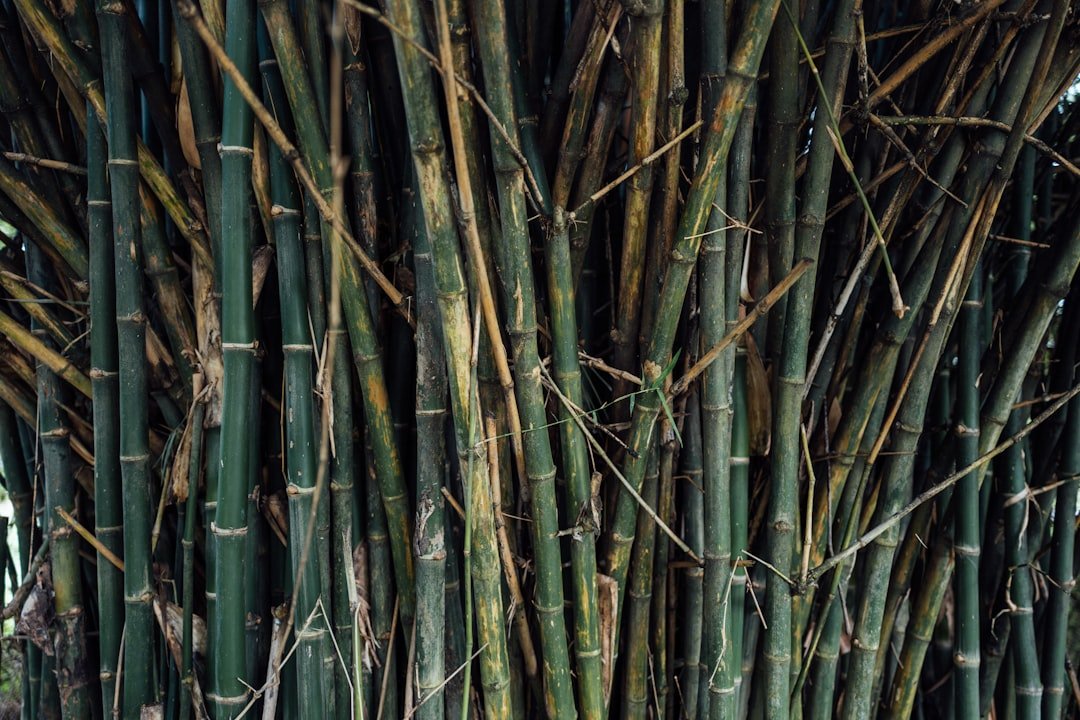
Bamboo is more than just the giant grass that pandas snack on. In recent years, researchers and innovators have tapped into its remarkable properties to craft bamboo non-woven fabric—a versatile material that blends sustainability with performance. You might wonder: Why switch to bamboo-based textiles when synthetic options are everywhere? The answer lies in the unique benefits bamboo brings to the table:
- Natural Antibacterial Action: Bamboo fibres contain bamboo-kun, a natural bio-agent that resists bacteria growth.
- Biodegradability: Unlike plastic-based textiles, bamboo non-woven fabric breaks down harmlessly in soil.
- Breathability & Softness: Perfect for skin contact, it wicks moisture and feels gentle against the body.
- Low-Carbon Footprint: Bamboo grows rapidly without pesticides, making production eco-friendly.
From hospitals to home kitchens, this fabric is quietly reshaping how we think about disposable and reusable products. Let’s dive into the science, real-world applications, and how you—whether you’re an eco-conscious consumer or an SME—can benefit from this green revolution.
The Science Behind Bamboo Non-Woven Fabric
A recent study published in Heliyon (2024) investigated how to turn waste bamboo into a high-performance non-woven fabric tailored for medical and lifestyle uses. Here’s what they found:
- Optimised Fibre Size: Grade B bamboo fibres, 1–3 cm in length, delivered the best mechanical and aesthetic properties for fabric formation.
- Fermentation Insights: Unfermented fibres inhibited Staphylococcus aureus and E. coli more effectively than fermented ones—no fancy chemicals required.
- Blend Ratio Matters: A 70:30 bamboo-to-polyester mix achieved ideal needle-pressed bonding, with a 99.94% impact on fabric moulding.
- Mechanical Processing: A simple press-and-weave method produced sheets that were strong yet flexible—perfect for scrubbing pads, wound dressings, and more.
In plain English? You get a highly antibacterial, durable fabric that’s gentle on your skin and kinder to the planet.
Medical Applications: Healing with Nature
Healthcare professionals face a constant challenge: preventing infections while ensuring patient comfort. Enter bamboo non-woven fabric. Here’s how it’s making a difference:
- Antibacterial Wound Dressings: Natural resistance to pathogens reduces reliance on synthetic agents.
- Disposable Surgical Drapes & Gowns: Lightweight, breathable, and biodegradable—no more mountains of plastic waste.
- Sanitary Wipes & Pads: Gentle on skin, tough on bacteria. Perfect for personal hygiene and eldercare.
- Mask Filters: Enhanced moisture-wicking and anti-microbial properties make for safer, more comfortable face masks.
Imagine changing a dressing that not only promotes healing but also deteriorates harmlessly after disposal. That’s the kind of innovation bamboo non-woven fabric brings to modern medicine.
Lifestyle Uses: Everyday Products Redefined
It’s not just hospitals that benefit. Our homes can get a green makeover, too. Consider these lifestyle applications of bamboo non-woven fabric:
- Eco-Friendly Scrubbing Pads: Sturdy enough to tackle grease, soft enough to avoid scratching surfaces.
- Reusable Facial Wipes: Ditch the single-use cotton pads and save hundreds of disposables every year.
- Food Packaging & Oven Mitts: Heat-resistant, breathable, and compostable—your kitchen’s new MVP.
- ECO-Masks & Baby Products: Hypoallergenic and chemical-free, perfect for sensitive skin.
We recently tested a bamboo non-woven scrubbing pad in our own kitchen. The verdict? It cleaned pots like a champion and then slipped into the compost bin without a fuss. Simple, effective, sustainable.
Aegle Sriphal’s Eco-Friendly Approach
At Aegle Sriphal, sustainability isn’t a buzzword—it’s our mission. We harness the power of natural materials to craft products that align with our core principles:
- 100% Natural Materials: From bamboo fibres to jute, we source raw materials that nature replenishes.
- Eco-Friendly Production: Low-energy processes and non-toxic treatments ensure minimal environmental impact.
- Innovative Designs: Our product team blends form and function—think plantable pencils, bamboo homeware, and more.
- Community Engagement: We partner with schools and NGOs to educate on sustainable choices and circular economies.
If you’re an SME looking to amplify your green credentials, our digital service Maggie’s AutoBlog can help. Generate SEO-optimised content for your website in minutes, so you can focus on what matters—growing your eco business.
Practical Tips for SMEs & Entrepreneurs
Thinking of diving into the bamboo non-woven fabric market? Here are actionable steps to get you started:
- Source Responsibly: Partner with suppliers who harvest bamboo sustainably and use low-impact processing.
- Define Your Applications: Medical? Personal care? Home goods? Narrow your focus to optimise performance and compliance.
- Leverage Research: Cite peer-reviewed studies (like the Heliyon 2024 paper) to build trust with B2B clients and regulators.
- Invest in Branding: Highlight your use of bamboo non-woven fabric on product labels and marketing channels.
- Automate Content Creation: Use Maggie’s AutoBlog to craft blog posts, product pages, and social media updates—fully SEO and GEO optimised.
By following these steps, you’ll be well-positioned to capture market share in Europe and beyond, meeting the growing demand for eco-friendly goods.
Future Trends & Environmental Impact
The global green products market is projected to hit \$300 billion by 2025, driven by conscious consumers and tightening regulations. Bamboo non-woven fabric ticks all the right boxes:
- Circular Economy Friendly: When the product’s life ends, it returns to the earth.
- Scalable Cultivation: Bamboo grows up to a metre a day, requiring no fertilisers or pesticides.
- Versatile Innovation: Advances in bio-fermentation and blending open doors to new applications, from construction materials to high-tech filtration.
As awareness rises, we’ll see more building materials, automotive interiors, and even fashion incorporating this remarkable fabric. The ripple effect? Fewer landfills, cleaner waterways, and a healthier planet.
“Switching to bamboo-based textiles felt like a small choice—but it led us to rethink every single product in our lineup.”
—A sustainable brand founder
Conclusion
Bamboo non-woven fabric is proving that sustainability and performance can go hand in hand. From hospitals to households, its natural antibacterial action, biodegradability, and breathability are rewriting the rulebook for medical and lifestyle products. Whether you’re a consumer eager to make greener choices or an SME ready to innovate, now’s the time to embrace bamboo’s potential.
Ready to lead in sustainability? Visit Aegle Sriphal’s shop and discover our range of eco-friendly products. Or, if you’re an SME looking to market your bamboo innovations, start your free trial with Maggie’s AutoBlog and generate compelling, SEO-optimised content instantly.
Let’s build a greener tomorrow—one bamboo fibre at a time.
Start your journey at: https://aeglesriphal.com/