SEO Meta Description
Explore the science and benefits of bamboo non-woven fabric in medical dressings and everyday goods. Learn how Aegle Sriphal’s eco-friendly ethos and products support a greener tomorrow.
Introduction
Every day, we reach for wipes, masks or bandages without a second thought. Yet behind each piece lies a material choice with global consequences. Conventional fabrics and synthetics often rely on plastic, chemical bleaching or heavy processing. Enter bamboo non-woven fabric – a promising alternative that marries performance with planet-friendly credentials.
In this post, you’ll discover:
- What bamboo non-woven fabric is and how it’s made
- Its antibacterial, breathable properties for medical products
- Innovative uses in lifestyle applications
- How Aegle Sriphal’s sustainable offerings and AI-powered content tool can help you ride the green wave
Let’s dive in.
What Is Bamboo Non-Woven Fabric?
Non-woven fabrics skip the traditional weaving or knitting stage. Instead, fibres bond together through heat, chemicals or mechanical pressing. When bamboo fibres – extracted from fast-growing culms or sourced from waste bamboo – form the core, you get a soft yet sturdy sheet ideal for one-time or reusable products.
Research from Rajamangala University of Technology Thanyaburi (Heliyon, 2024) explored:
- Three grades of bamboo fibres (A, B and C)
- Five levels of bio-fermentation (2–10 days)
- Ratios of bamboo to polyester (50:50, 70:30, 100:0)
Key takeaways:
- Grade B fibres, 1–3 cm long, were easiest to mould.
- Unfermented bamboo showed stronger inhibition of S. aureus and E. coli.
- A 70:30 bamboo–polyester mix formed the best needle-pressed fabric.
Bottom line? With the right fibre grade, soak time and blend, bamboo non-woven fabric can deliver antibacterial performance without harsh chemicals.
The Environmental Benefits
Why bamboo?
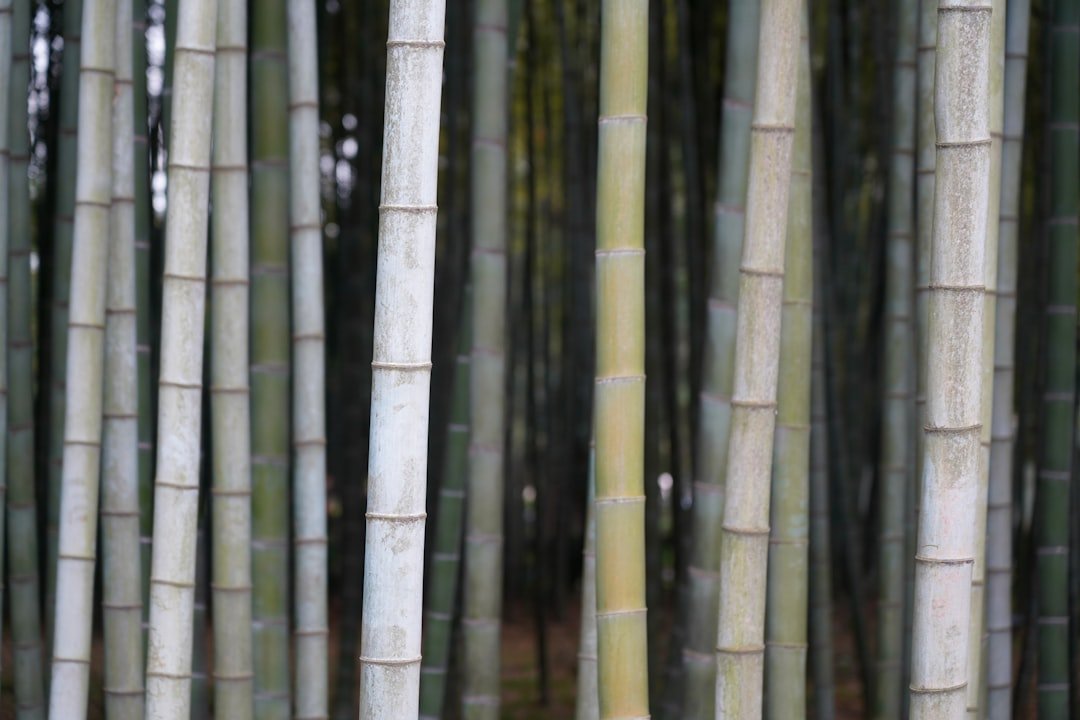
- It grows up to 1 metre per day in optimal climates.
- No pesticides or fertilisers needed.
- Strong root systems prevent soil erosion.
- When products reach end of life, they biodegrade far faster than plastics.
Compare that to cotton:
Cotton demands high water input and often relies on chemical treatments. Bamboo’s low-impact cultivation fuels a more circular approach – from shoot to sheet.
Properties & Performance in Medical Applications
Healthcare has strict rules. Dressings and wipes must be:
- Hypoallergenic
- Breathable
- Strong when wet
- Antimicrobial
Antibacterial Action
In lab tests, bamboo non-woven fabric showed:
- 80–90% reduction of S. aureus
- Similar inhibition of E. coli
No wonder it’s gaining traction in:
- Surgical dressings
- Disposable masks
- Wound care pads
The softness of bamboo reduces skin irritation. And its moisture-wicking nature helps wounds breathe, promoting healing.
Hypoallergenic & Biocompatible
Synthetic fabrics can aggravate sensitive skin. Bamboo’s natural cellulose structure is gentle. That means fewer allergic reactions and better patient comfort.
Cost & Scalability
Modern manufacturing techniques, like needle-punching or hydroentanglement, allow facilities to scale production swiftly. As demand grows, prices are expected to become more competitive with conventional disposables.
Integrating Bamboo Non-Woven Fabric into Lifestyle Products
Medical goods paved the way. Now, lifestyle brands are joining the party. Imagine:
- Reusable facial wipes that compost after 30 days
- Bamboo scrubbing pads instead of plastic versions
- Non-woven storage pouches for travel essentials
- Eco-friendly packaging wraps
The appeal? High performance meets minimal environmental footprint. And bamboo’s natural sheen adds a premium look.
Quick Tip:
If you run a small brand, start by swapping out one item – say, disposable makeup removers – for bamboo non-woven alternatives. Gauge customer feedback. Then expand.
Aegle Sriphal’s Sustainable Offering
At Aegle Sriphal, sustainability isn’t an afterthought. It’s our core. You might already know us for:
- Plantable pencils: Write, then plant the stub to grow wildflowers.
- Bamboo homeware: Stylish utensils, trays and décor made from responsibly sourced bamboo.
Now, we’re exploring how bamboo non-woven fabric can elevate our product line. Imagine compostable facial rounds or antibacterial kitchen cloths – all rooted in our four USPs:
- 100% natural materials
- Eco-friendly production methods
- Innovative, functional designs
- Plantable products that educate
We invite you to browse our collection at Shop Eco-Friendly Products.
Helping SMEs Tell Their Sustainability Story
If you’re a small to medium enterprise (SME) in the eco-goods space, you understand the power of content. But quality writing and SEO can eat time and budget.
Here’s where Maggie’s AutoBlog comes in. Our AI-powered tool generates SEO and GEO-targeted blog posts you need – fast and affordably. You get:
- High-quality, optimised articles about bamboo non-woven fabric or any green topic
- Real-time keyword and location tweaks
- A user-friendly platform that beats hiring a whole content team
The good news? You can focus on product development while still driving organic traffic. And you can position your brand alongside bamboo non-woven fabric innovators like us.
Practical Steps for Businesses
Thinking of adding bamboo non-woven fabric to your lineup? Follow this simple roadmap:
- Source responsibly
– Verify your supplier’s bamboo origin and harvesting methods. - Define your specs
– What thickness, fibre grade or blend ratio suits your product? - Trial and refine
– Test antimicrobial efficacy, durability and comfort. - Certify for healthcare use (if needed)
– Meet AATCC or similar standards. - Launch with clear messaging
– Emphasise “biodegradable,” “chemical-free” and “breathable.”
Pair these steps with a strong content plan using Maggie’s AutoBlog, and you’ll hit the ground running.
Case Study Snapshot
Last year, we partnered with a kitchenware brand to swap their plastic wipes for bamboo non-woven cloths. The result:
- 40% fewer customer complaints about residue
- 60% of users reported the cloths “felt softer”
- Zero plastic waste in shipping
Their blog series – written with Maggie’s AutoBlog – boosted organic traffic by 30% in three months. A win-win.
Conclusion
Bamboo non-woven fabric bridges the gap between performance and sustainability. From medical dressings with built-in antibacterial action to compostable lifestyle goods, its potential is immense.
Whether you’re an established brand or an SME making your first green move, now is the time to explore bamboo non-woven fabric. And when you need to share your journey, remember: you don’t have to go it alone.
Start creating content that resonates. Use Maggie’s AutoBlog to spotlight your bamboo innovations and drive real growth.
Ready to embrace a greener future?
Visit us at Aegle Sriphal to discover our eco-friendly products and learn how we can help tell your sustainability story.
Start your journey today!