Introduction: Tackling Plastic Pollution, One Bamboo Shoot at a Time
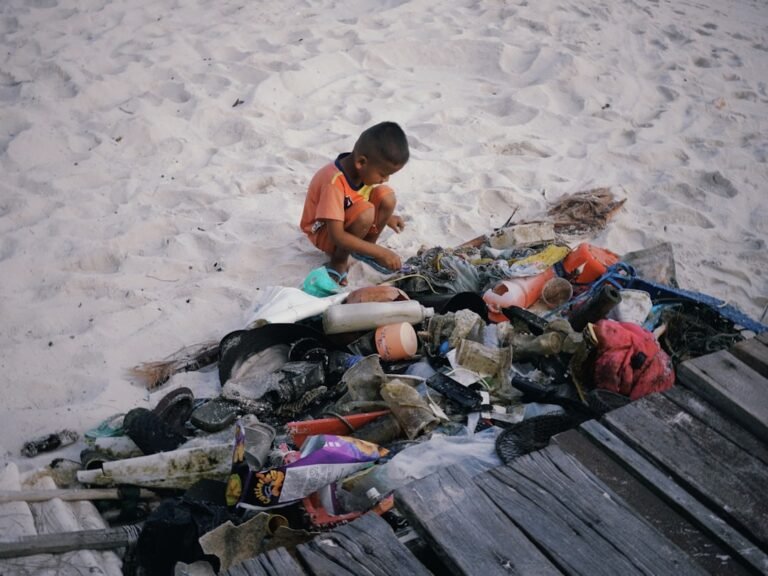
Plastic waste is choking coastlines from Sri Lanka to Bangladesh. Single-use bottles, wrappers and fishing nets drift into the sea. Marine life pays the price. But there’s hope. Bamboo recycling is emerging as a low-cost, natural way to turn waste into value. Local communities collect bamboo scraps, process them and upcycle the fibres into products. This not only diverts debris from beaches; it builds income streams too.
In this article we dive into real case studies and explore how blue finance eco projects are funding bamboo recycling in South Asia. You’ll learn about Aegle Sriphal’s community-driven programmes, the role of green and social bonds, and practical steps you can take. Curious about impact? Eco-Transformation: Aegle Sriphal’s blue finance eco projects highlights how everyday materials can fuel sustainable coastal economies.
The Ocean of Plastic: Why South Asia Is at a Crossroads
South Asia is home to several of the world’s biggest plastic polluters. Rapid urbanisation and inadequate waste systems accelerate the problem on land and water.
Key facts at a glance:
– Over 1.6 million tonnes of mismanaged plastic enter the Bay of Bengal each year.
– Coastal communities report up to 80% of their reef ecosystems covered in debris.
– Traditional waste pickers work without protective gear; hazard and health risks persist.
– Fishing and tourism revenues dip by 15–20% where beaches stay littered.
These numbers are stark. Yet they also reveal a gap for nature-based solutions. Bamboo grows fast, doesn’t need pesticides and thrives in South Asian climates. It’s a renewable feedstock for crafts and household items. By turning bamboo waste into upcycled goods, communities can slash plastic leakage while diversifying their livelihoods.
Bamboo Recycling: A Natural Ally Against Plastic
Bamboo isn’t just a fast-growing grass. It’s a versatile raw material that absorbs carbon and regenerates quickly. Here’s why bamboo recycling makes sense:
- Rapid growth: Bamboo matures in 3–5 years versus decades for hardwood.
- Robust fibres: Ideal for weaving baskets, mats and textiles.
- Local supply: Many rural areas already harvest bamboo for construction.
- Low tech: Processing requires minimal machinery; perfect for community workshops.
When you combine bamboo recycling with blue finance eco projects, you get real momentum. Funding from green bonds, social impact investors and development agencies can buy equipment, train artisans and cover marketing expenses. That capital jump-starts projects at a grassroots level; cash flows improve as products reach local markets and eco-tourism shops.
Aegle Sriphal’s Community-Driven Recycling Program
Aegle Sriphal is spearheading a bamboo recycling movement across coastal villages in Kerala and Odisha. The programme has three main phases:
- Collection: Volunteers gather bamboo off-cuts from construction sites and fallen culms from forests.
- Processing: Community centres steam, dry and shred bamboo. Local women’s groups learn to weave fibres into sheets.
- Upcycling: Sheets transform into everyday items—bamboo homeware, trays and even plantable pencils with embedded seeds.
The results?
– Over 50 tonnes of bamboo waste diverted in the first year.
– 120 artisans trained; 70% are women heading household incomes.
– New product lines ready for regional fairs and online markets.
This model shows how blue finance eco projects can deliver social and environmental returns simultaneously. By anchoring funding to local stakeholders, Aegle Sriphal ensures the programme is both inclusive and scalable.
Funding the Future: blue finance eco projects driving change
Securing capital is often the biggest hurdle. That’s where innovative financing steps in. Institutions like the International Finance Corporation (IFC) have launched dedicated blue bonds and social bonds to back marine plastic solutions. Here’s how funding flows:
• Green and social bonds channel long-term debt to sustainable ventures
• Impact investors offer concessional loans for start-up costs
• Government grants fill gaps in infrastructure for collection and sorting
• Public-private partnerships provide technical assistance on product design
With the right mix of grants and low-interest loans, communities can buy shredders, kilns and weaving looms. They also cover training costs in bamboo craftsmanship. Over time, product revenues repay loans and fund expansion. This finance structure is the backbone of successful bamboo recycling hubs.
Midway through the journey? If you want to see how to tap into these resources, Discover how blue finance eco projects can transform your region.
Beyond the Beach: Building Sustainable Coastal Economies
Turning fibre into finished goods is just the beginning. What matters most is market access. Aegle Sriphal partners with local co-ops, eco-resorts and fair-trade platforms so artisans can sell directly to tourists and online buyers. Benefits ripple outward:
• Higher household income than manual fishing or low-margin farming
• Reduced reliance on single commodity markets
• Stronger community bonds through shared purpose
• Increased environmental stewardship as villagers see plastic cleanup rewards
Case in point: In one coastal hamlet, artisans used recycled bamboo to craft souvenir baskets. Sales at a nearby eco-resort financed a beach cleanup day. Tour guides now educate guests on marine conservation—adding value to the visitor experience.
Practical Steps: How You Can Support Bamboo Recycling in Your Community
Ready to get involved? Here are actionable tips for citizens, NGOs and local businesses:
- Organise cleanups: Host beach or riverbank collection events; segregate bamboo from plastics.
- Partner with artisans: Source recycled bamboo supplies; guarantee purchase orders.
- Offer micro-loans: Seed funding helps start production units.
- Promote upcycled products: Feature items in your retail store or online catalogue.
- Educate consumers: Run workshops on the benefits of bamboo homeware and plantable pencils.
Each step strengthens the market for sustainable goods and builds demand—ensuring that bamboo recycling initiatives aren’t one-off exercises but enduring ventures.
Conclusion: Charting a Plastic-Free Future with Bamboo
Marine plastic pollution is a massive challenge, yet bamboo recycling stands out as a practical, low-tech and community-led solution. When backed by targeted blue finance eco projects, these programmes can scale across South Asia’s vast coastlines. Aegle Sriphal’s model proves that with the right mix of funding, training and market linkages, communities can turn waste into wealth—and beaches from eyesores into eco-tourism hotspots.
Join the movement today and help reshape coastal economies for the better. Join our blue finance eco projects to combat marine plastic pollution