Introduction
The push for consumer goods sustainability India is more urgent than ever. Climate change, plastic waste, and rising awareness among young buyers are reshaping expectations. Companies can no longer rely on “business as usual.” They need bold commitments, clear actions, and transparent reporting.
Ghana’s consumer goods sector offers a case study. Unilever Ghana and PZ Cussons Ghana used Sustainable Business Model (SBM) archetypes to map their commitments. The results? Mixed progress, lessons learned, and clear pathways forward. India’s market can adapt these insights—fast.
This article unpacks Ghana’s journey and shows how Indian innovators like Aegle Sriphal are already stepping up. You’ll discover:
– What worked (and what didn’t) in Ghana.
– How to apply SBM archetypes for consumer goods sustainability India.
– Real examples from bamboo pencils to jute tote bags.
– Policy and partnership tips to scale impact.
– Ways to avoid greenwashing.
Let’s get started.
Why Consumer Goods Sustainability India Matters
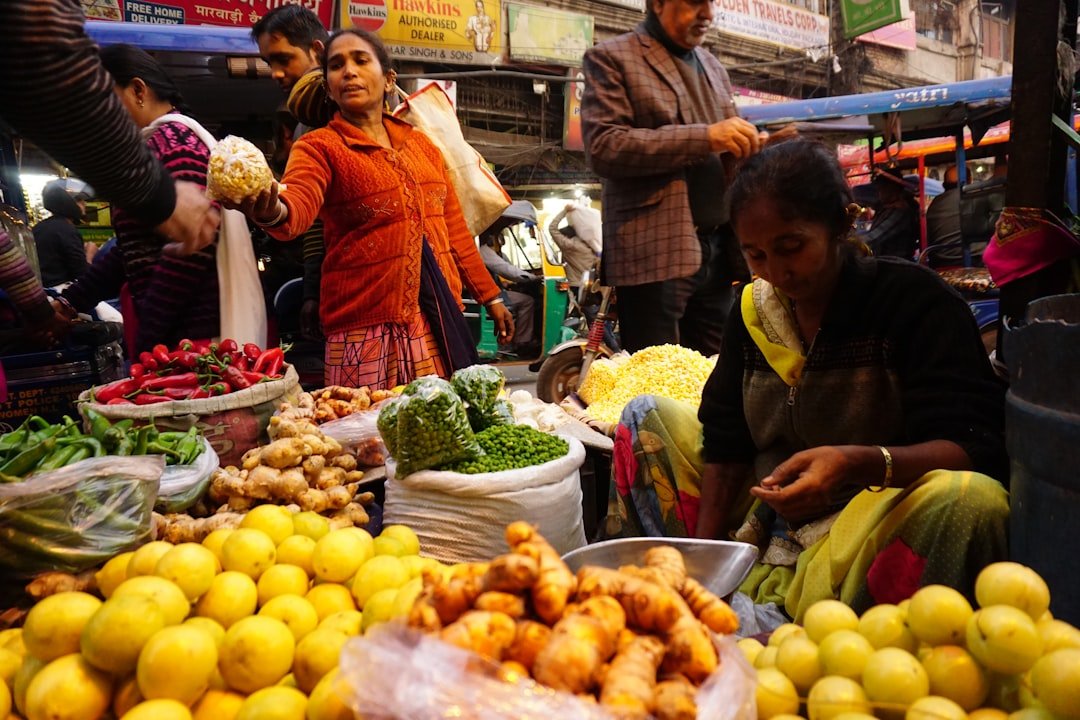
India is the world’s fifth-largest economy by GDP. Its consumer goods sector feeds hundreds of millions daily. From spices and snacks to soaps and stationery, products shape lifestyles—and footprints. Here’s why sustainability is no longer optional:
-
Environmental Impact
– Plastic packaging floods rivers and oceans.
– Conventional production consumes vast amounts of water and energy. -
Regulatory Momentum
– Governments push for SDG-12: Ensure sustainable consumption and production.
– New packaging laws, extended producer responsibility, and tax incentives are on the table. -
Market Demand
– Young, urban consumers vet brands for ethics.
– “Natural,” “zero-waste,” and “carbon-neutral” catch attention. -
Global Competitiveness
– Indian exports compete on sustainability credentials.
– Green labels open doors in Europe, North America, and beyond.
For real progress, we need systems thinking. That’s where SBM archetypes come in.
Lessons from Ghana: Applying SBM Archetypes
Bocken et al. identified eight SBM archetypes under three groups: technological, social, and organizational. Ghana’s Unilever and PZ Cussons adopted different mixes. Let’s summarise:
Technological Archetypes
-
Maximise Material Productivity
– Unilever Ghana cut waste by 31% (2015–2018).
– PZ Cussons improved packaging light-weighting. -
Make Waste Valuable
– Both used 3R principles (Reduce, Reuse, Recycle).
– PZ pledged 100% recyclability for hand-wash bottles with 30% recycled content. -
Substitute Non-Renewables
– Unilever aims for 100% renewable energy by 2030.
– PZ explored solar power and water-efficient processes.
Social Archetypes
-
Deliver Functionality Over Ownership
– Limited moves in Ghana. Subscriptions and refill stations are emerging in India. -
Embrace a Stewardship Role
– Unilever ran handwashing education to reduce disease.
– PZ committed to “No Deforestation, No Peat, No Exploitation” palm oil. -
Encourage Efficiency
– Ghana’s companies marketed more units, not less usage.
– Efficiency gains came through concentrated formulas and refill pouches.
Organizational Archetypes
-
Reinvent the Value Proposition
– Both firms tied brand purpose to SDG-12 goals.
– Profit still drove primary decisions. -
Embrace Scale-Up Approaches
– Multinational reach helped set ambitious targets.
– Local action struggled without policy support.
Key takeaway: You need a balanced mix of technology, social impact, and organisational change. Simply slashing emissions isn’t enough if consumption patterns go unchecked.
Translating to Consumer Goods Sustainability India
In India, companies face similar challenges. But there’s an edge:
- Abundant Natural Fibres: Bamboo and jute grow quickly on marginal land.
- Cultural Roots: Handcraft traditions align with slow-fashion consumer values.
- Young Workforce: Digital natives crave transparent brands.
This is where Aegle Sriphal shines.
Discover Our Sustainable Range
Aegle Sriphal: Pioneering Bamboo & Jute in India
Aegle Sriphal uses 100% natural materials. No hidden synthetics. No landfill nightmares. Here’s how they fit the SBM archetypes:
Technological: Waste as a Resource
- Bamboo homeware is durable. Less breakage.
- Jute packaging is fully compostable. No microplastics.
Social: Functionality & Efficiency
- Plantable Pencils: Use the pencil. Then plant the stub. Watch a tree grow.
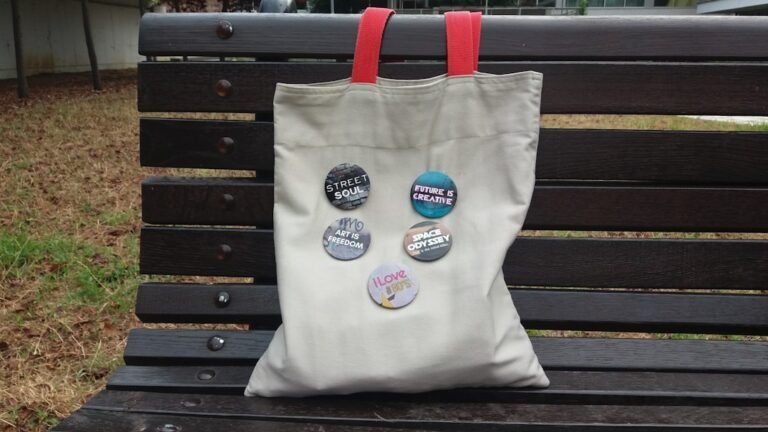
- Jute Tote Bags: Washable, multi-season, multi-use. No single-use plastic.
Organizational: Scale with Purpose
- Community engagement through workshops on eco-craft.
- Partnerships with schools to teach sustainability.
By blending local materials with global standards, Aegle Sriphal exemplifies consumer goods sustainability India in action.
Policy, Partnerships, and Practice
A sustainable sector needs more than green products. It needs an ecosystem:
-
Policy Alignment
– Clear guidelines on bio-based packaging.
– Subsidies or tax breaks for natural fibre goods. -
Industry Coalitions
– Like Ghana’s GRIPE for plastics.
– India can host a “Natural Fibres Alliance” to share best practices. -
Research & Development
– Invest in efficient fibre processing.
– Encourage universities to partner on Life Cycle Assessments. -
Consumer Education
– Highlight real environmental benefits, not jargon.
– Use social media to show behind-the-scenes in jute mills. -
Avoiding Greenwashing
– Be honest. Report progress and setbacks.
– Third-party certifications build trust.
From Intent to Impact
Ghana’s review showed strong commitments on paper. But execution gaps remain. India can leapfrog by:
- Starting with small batches of new materials.
- Tracking progress with rigorous metrics.
- Involving local communities in every step.
- Celebrating incremental wins to build momentum.
The Midpoint Moment
When you reshape processes, you’ll face resistance. But every refill station installed, every plantable pencil million sold, chips away at old habits. Small wins. Big signal.
Explore Eco-Friendly Bamboo & Jute Products
Conclusion
India’s consumer goods sustainability India journey can be faster and more inclusive than Ghana’s early steps. By adopting SBM archetypes, leveraging natural materials, and forging smart partnerships, companies can truly lead the SDG-12 agenda.
Aegle Sriphal already sets a benchmark. Their bamboo homeware, plantable pencils, and jute range prove that sustainable doesn’t mean sacrifice. It means innovation.
Are you ready to be part of this shift? Support brands that blend ecology, economy, and culture. Demand transparency. Celebrate progress.