Learn how to create biodegradable blue ink for fountain and dip pens with Aegle Sriphal’s sustainable recipes. Perfect for eco-conscious writers!
Introduction
In a world increasingly aware of environmental sustainability, eco-friendly dip pen ink has become a sought-after alternative for writers and artists alike. Traditional inks often contain harmful chemicals and non-degradable components, contributing to environmental pollution. By crafting your own biodegradable blue ink, you not only enjoy a unique writing experience but also make a positive impact on the planet. This guide, inspired by Aegle Sriphal’s sustainable practices, will walk you through the process of making your own eco-friendly dip pen ink.
Why Choose Biodegradable Blue Ink
Opting for biodegradable blue ink offers numerous advantages:
- Sustainability: Made from natural ingredients, reducing reliance on synthetic materials.
- Non-Toxic: Safe for both users and the environment, minimizing harmful chemical exposure.
- Cost-Effective: Inexpensive to produce with readily available materials.
- Performance: Provides smooth writing with minimal feathering on paper.
Ingredients and Supplies Needed
To create your own biodegradable blue ink, gather the following materials:
Equipment
- Centigram scale (0.01 g precision)
- Two spoons and weighing papers
- Two small plastic containers for water and glycerine
- Eyedropper pipette
- 1 mL syringe (without needle)
- Blue or amber glass jar
Materials
- 14.48 g Distilled or Deionized Water: Acts as the solvent to ensure ink longevity.
- 8.96 g Glycerine: Serves as a humectant and thickening agent for a smoother ink flow.
- 0.28 mL Benzyl Alcohol: Preservative to prevent mold growth.
- 0.28 g Sodium Ascorbate: Antioxidant that stabilizes the blue pigment.
- 4.00 g Phycocyanin Powder: Also known as blue spirulina extract, provides the vibrant blue color.
- 1 Drop Polysorbate 80: Surfactant to enhance ink flow properties.
Step-by-Step Guide to Making Biodegradable Blue Ink
Step 1: Weigh Out the Water
Measure 14.48 g of distilled water using a centigram scale and pour it into a small plastic container.
Step 2: Weigh Out the Glycerine
Accurately weigh 8.96 g of glycerine and place it in a separate plastic container.
Step 3: Combine Water and Glycerine
Pour the distilled water into the glycerine container and mix thoroughly.
Step 4: Add Benzyl Alcohol
Using a 1 mL syringe, measure 0.28 mL of benzyl alcohol and add it to the water-glycerine mixture. Stir well to ensure even distribution.
Step 5: Incorporate Sodium Ascorbate
Weigh 0.28 g of sodium ascorbate and add it to the mixture, stirring until fully dissolved.
Step 6: Prepare Phycocyanin
Measure 4.00 g of phycocyanin powder and add it to a mortar for mixing.
Step 7: Mix Glycerine Solution with Phycocyanin
Add the glycerine solution to the phycocyanin in the mortar. Use a pestle to mix thoroughly, ensuring complete dissolution of the powder.
Step 8: Add Polysorbate 80
Introduce a single drop of polysorbate 80 to the mortar. Mix well to enhance the ink’s flow properties. Caution: Avoid adding more than one drop to prevent the ink from becoming too runny.
Step 9: (Optional) Filter the Ink
For a smoother consistency, filter the ink through a number 2 cone coffee filter into your glass jar. Handle the filter paper gently to avoid tearing.
Best Practices for Using Eco-Friendly Ink
- Storage: Keep the ink in a cool, dark place to prolong its shelf life.
- Usage: Ideal for use with fountain and dip pens on high-quality, 28 lb paper to minimize feathering.
- Maintenance: Clean your pens regularly to prevent ink buildup and ensure optimal performance.
Aegle Sriphal’s Eco-Friendly Products
Enhance your sustainable writing experience with Aegle Sriphal’s range of eco-friendly products. Among our top offerings:
Bamboo Bottle
A sleek and reusable bamboo water bottle that keeps beverages cool while reducing plastic waste. Perfect for eco-conscious consumers looking to minimize their environmental footprint.
Plantable Pencil
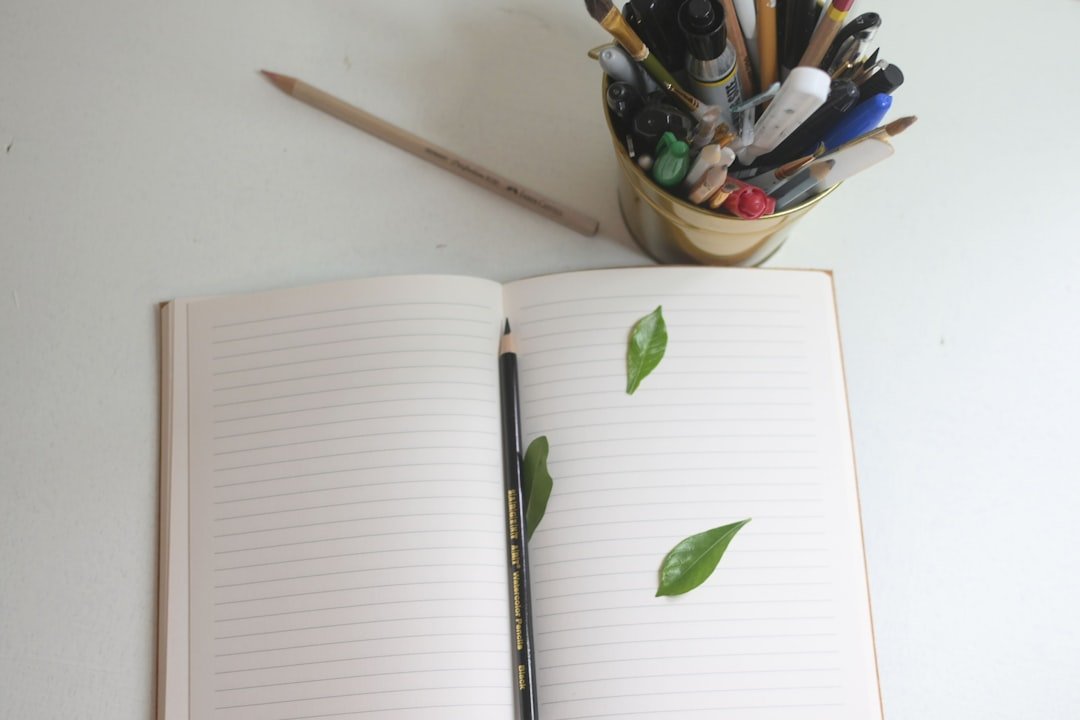
A biodegradable pencil embedded with seeds, allowing you to plant it after use. Combine functionality with sustainability, aligning perfectly with your eco-friendly writing habits.
By integrating these products into your daily routine, you support a more sustainable lifestyle and contribute to environmental conservation.
Conclusion
Creating your own biodegradable blue ink is a rewarding way to embrace eco-friendly writing practices. Not only do you enjoy a personalized ink blend, but you also take a step towards reducing your environmental impact. Coupled with Aegle Sriphal’s range of sustainable products, you can fully commit to a greener, more conscious lifestyle.
Join the eco-friendly movement today and explore more sustainable solutions at Aegle Sriphal.