Bamboo and Jute: Green Warriors Against Plastic Pollution
Plastic and microplastic pollution is choking our rivers, soils and seas. Every year, millions of tonnes of hard-to-break polymers escape waste systems and break down into particles smaller than a grain of sand. These invade food chains, harm wildlife and even make their way into your tea. We need a natural fiber pollution solution that acts now – not tomorrow.
In this article, we explore integrated bamboo and jute approaches to curb plastic waste at every stage: from cutting-edge research in materials science to hands-on consumer choices. You’ll see how eco-design, smart waste management and simple lifestyle swaps can make a real dent in microplastic loads. Ready to learn about a true Natural fiber pollution solution? Discover our Natural fiber pollution solution: Eco-Transformation: Aegle Sriphal’s Sustainable Product Initiative and see how mindful materials can transform our planet.
Understanding the Plastic Plague
Plastic production has ballooned from 50 million tonnes in 1970 to over 360 million tonnes today. Packaging, textiles, electronics, and everyday items rely on cheap polymers that rarely biodegrade. When plastic litter hits sunlight, wind and waves, it fractures into microplastics—particles under 5 mm that evade filters, silencers and even advanced treatment plants.
- Over 8 million tonnes of plastic enter oceans annually.
- Tiny fragments have been recorded at 102,000 particles per cubic metre in harbours.
- From cosmetic microbeads to polyester fibres, sources are diverse and widespread.
Cleaning up existing waste is a start, but it can’t keep pace with new pollution. Experts agree: we must prevent plastics from ever becoming litter.
The Lifecycle of Plastics
- Production
Fossil fuels refine into polymers like polyethylene (PE) or polypropylene (PP). - Use
Bottles, bags, electronics – single-use dominates. - End-of-Life
Landfill, incineration, recycling (often down-graded). - Leakage
Mismanaged waste and litter fragment into microplastics.
An integrated system must tackle every stage, swapping out harmful plastics for natural fibres whenever possible.
Why Bamboo and Jute?
- Rapid growth: Matures in months, not decades.
- High strength: Comparable to steel by weight.
- Biodegradability: Breaks down into harmless organic matter.
- Low carbon: Sequesters CO₂ during growth.
These qualities make bamboo and jute top candidates for replacing disposable plastics in packaging, consumer goods and building materials.
Research and Development: Bamboo-Based Innovations
Academic centres worldwide are developing bamboo-jute composites, flexible packaging and biodegradable films. Life Cycle Assessment (LCA) shows that, in regions with renewable energy use, bamboo packaging can outshine PET bottles and polystyrene trays, slashing greenhouse gas emissions by 30–50%.
Eco-Design with Bamboo
- Bamboo homeware: Durable utensils, plates and cups that survive hundreds of washes.
- Plantable pencils: Seeds embedded in jute end caps encourage consumers to grow herbs after use.
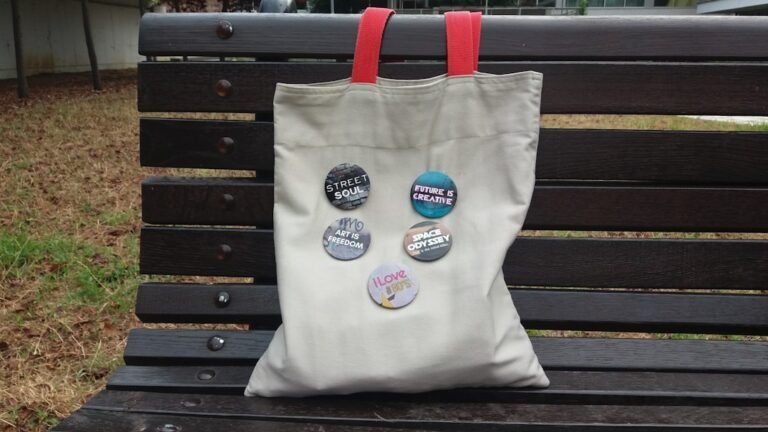
- Jute tote bags: Replace billions of single-use plastic bags in supermarkets.
By limiting the mix of polymers and additives, these products simplify recycling and composting.
Biodegradable Composites
Researchers are blending bamboo shards and jute fibres with natural resins to form panels and boards for construction. These composites:
- Resist moisture and pests.
- Outperform wood in durability.
- Can be shredded and reincorporated into panels at end-of-life.
Energy recovery via waste-to-energy complements recycling when fibres are too mixed or soiled.
Curious how these advances plug into a real project? Check out our Natural fiber pollution solution through bamboo innovations to see live prototypes and testing data.
From Lab to Field: Implementing Integrated Strategies
Bench-top breakthroughs are only half the story. Putting bamboo and jute into everyday use demands policy, education and infrastructure.
Reducing Consumption: Bamboo Alternatives
- Swap plastic straws for bamboo ones.
- Choose soaps with bamboo pulp microbeads instead of polyethylene.
- Opt for bamboo wraps over cling film.
Small choices add up. If each person switched one item, global microplastic input could drop by millions of tonnes.
Waste Management: Natural Fibre Circularity
- Deposit-refund schemes for bamboo mugs and cutlery.
- Pay-as-you-throw bins that favour compostables and fibres over plastics.
- Dedicated fibre-recycling centres to keep bamboo and jute streams clean.
These systems cut litter and incentivise fibre returns, turning waste into resources.
Policy and Education
Public support for marine litter rules tops 90% in EU surveys. School programmes, beach clean-ups and green labelling nudge behaviour while building awareness. Corporate Social Responsibility ties brands to fibre-based innovations, amplifying impact.
Case Study: Aegle Sriphal’s Product Line
Aegle Sriphal blends design and education in a suite of sustainability champions:
- Plantable pencils grown from bamboo core and jute seed caps.
- Bamboo homeware sets that replace plastic plates and utensils at events.
- Jute-woven gift boxes that compost seamlessly.
Each product arrives with an info card on microplastic threats and fibre-based solutions. Consumers actively share results on social media, boosting community engagement and driving demand for natural-fibre goods.
Roadmap: Steps to a Greener Tomorrow
To scale up bamboo and jute solutions, stakeholders can follow a tiered plan:
Short-term actions:
– Ban or tax problematic single-use plastics (straws, cutlery).
– Label products clearly to highlight fibre compostability.
– Encourage recycled fibre demand via incentives.
Mid-term measures:
– Roll out pay-as-you-throw and deposit-return fibre schemes.
– Prioritise recycling and waste-to-energy for mixed streams.
– Enforce Extended Producer Responsibility for natural-fibre goods.
Long-term vision:
– Power recycling and sorting facilities with renewables.
– Standardise LCA for all packaging decisions.
– Invest in biodegradable fibre R&D for demanding applications.
– Design electronics boards with jute-protein resins in place of plastics.
These integrated strategies can slash plastic and microplastic pollution, restoring ecosystems one fibre at a time.
Conclusion
Plastic pollution won’t vanish overnight. But by leveraging bamboo and jute’s rapid growth, strength and compostability, we can rewrite the story of single-use waste. From smart eco-design to robust waste systems and informed communities, every link in the chain counts. If you’re ready to back a true Natural fiber pollution solution, start today and help nature reclaim its balance with our Discover our Natural fiber pollution solution today.