Dive In: A Breath of Fresh Water for Our Oceans
Ever imagine a world where fish nibble on bamboo, not plastic? The reality is harsh—our waterways are choking on waste. Plastic pollution solutions often feel distant, high-tech or expensive. Yet, nature has been sitting on a hero: bamboo. This post unpacks why bamboo alternatives are a simple, scalable route to protect aquatic wildlife from the horrors of plastic debris.
From the Great Pacific Garbage Patch to UK riverbanks, plastic traps animals, poisons food chains and smothers habitats. But bamboo grows fast, breaks down naturally and fits seamlessly into daily life. Ready to explore how switching from plastic to bamboo can save marine mammals, seabirds and even the smallest plankton? Eco-Transformation: Aegle Sriphal’s Sustainable Product Initiative for Plastic pollution solutions
Why Plastic Chokes Our Aquatic Friends
Plastic pollution solutions start with understanding the problem. It’s not just about tossing a bottle in the bin. Once in water, plastics:
- Drift along ocean gyres, creating giant “soup” patches.
- Break into microplastics that enter food chains.
- Trap and suffocate turtles, seabirds and fish.
- Leach toxic chemicals that disrupt reproduction and growth.
The Five Ocean Gyres and Microplastics
Ever heard of the North Atlantic Gyre? It’s one of five massive currents where plastics accumulate. These aren’t solid islands. Think of them as swirling clouds of particles. Marine creatures mistake them for food. A seal pup gobbles a plastic fragment. Hours later, it can’t feed and dies of starvation. That’s why plastic pollution solutions must tackle not only visible trash but also the invisible microplastics.
Entanglement and Ingestion: The Lethal Duo
Sea turtles get stuck in six-pack rings. Birds swallow plastic pellets. Fish collect debris in their gills. According to research, over 700 marine species suffer from entanglement or ingestion each year. The damage spans tiny plankton to mighty whales. It’s a chain reaction: sick fish leads to fewer fish for people. The stakes are high.
Bamboo: Nature’s Fast-Growing Champion
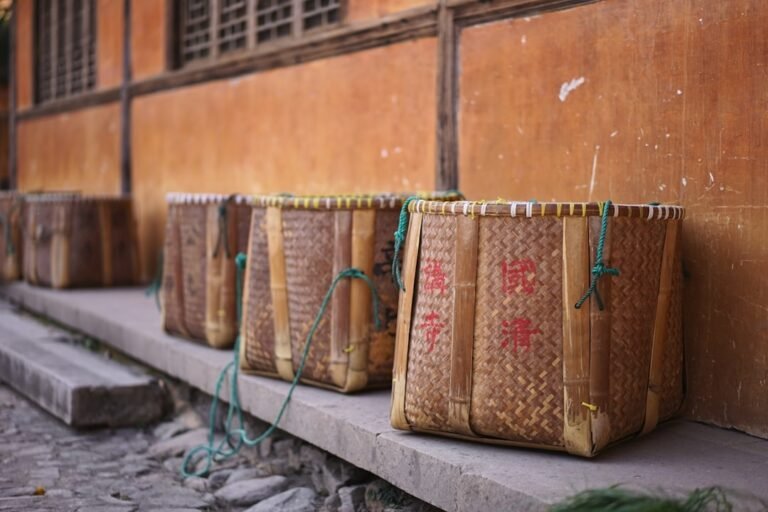
Shift gears. Picture a plant that sprouts up to 91 cm a day. Bamboo is that marvel. It sequesters carbon, needs minimal fertiliser and regenerates after harvest. Plus, it’s naturally antimicrobial—perfect for products that touch food or skin. No wonder bamboo is rising as a core plastic pollution solution.
Fast Growth, Low Impact
Bamboo can grow on degraded land, requiring less water than cotton or plastic production. Here’s why it matters:
- Regenerates without replanting.
- Draws down carbon quickly.
- Uses fewer pesticides than cotton or conventional forestry.
When you replace a plastic toothbrush with bamboo, you cut a fossil-fuel cycle at its root. That’s a practical, everyday win.
Biodegradable by Design
Plastic can take centuries to break down. Bamboo, on the other hand, returns to the earth in months. It doesn’t fragment into harmful microplastics. Instead, it nourishes soil and feeds microbes. This natural life cycle is exactly what plastic pollution solutions need: materials that leave no toxic trace.
Real-World Impact: Aegle Sriphal’s Natural Range
Aegle Sriphal walks the talk. They craft 100% natural materials into products that replace single-use plastics. From bamboo homeware to plantable pencils, the range is practical and playful.
Bamboo Homeware vs Plastic
Your kitchen could be a testing ground. Swap out plastic utensils and cutting boards for bamboo versions. They’re sturdy, heat-resistant and antimicrobial. And when they finally wear out? You can compost them. No landfill guilt.
Plantable Pencils and Jute Bags
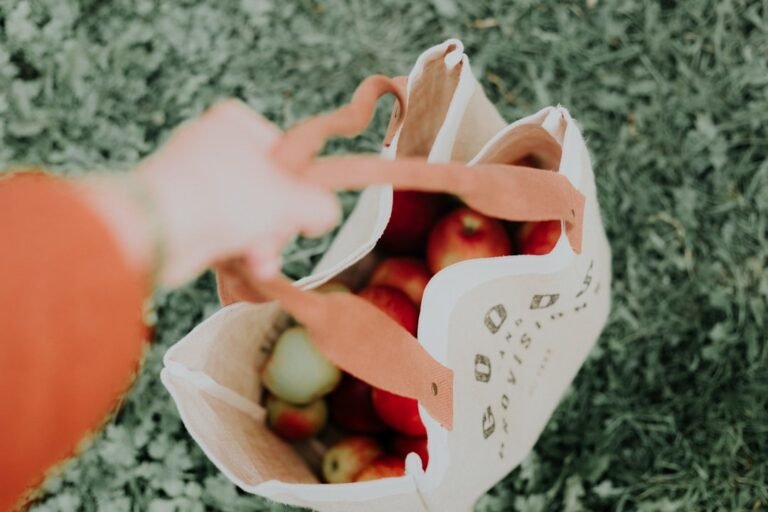
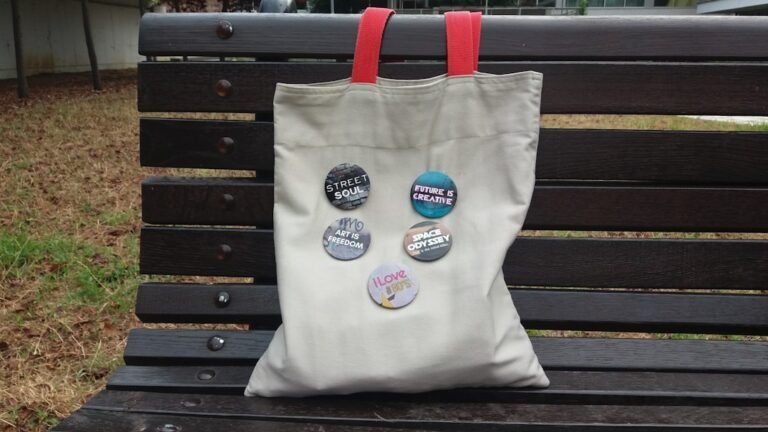
Kids love the magic of writing with a pencil that sprouts a plant. Aegle Sriphal’s plantable pencils embed seeds in the end cap. Once too short to use, you stick them in soil. Voilà, a herb or flower emerges. Meanwhile, their jute bags carry groceries and fade gracefully into compost if forgotten.
Small businesses aiming to share their sustainability story can use Maggie’s AutoBlog, Aegle Sriphal’s AI-powered content platform. It generates SEO- and GEO-targeted blogs, helping you highlight bamboo swaps and plastic pollution solutions with zero extra overhead.
Measuring Success
Within months, communities report fewer littered beaches and clearer riverbanks. Customers enjoy products that feel premium—not “cheap eco-trend.” And wildlife benefits, with fewer entanglements and lower toxin levels in shellfish beds.
How to Scale Bamboo Adoption
Switching one utensil is easy. Scaling it across sectors takes strategy. Here’s how communities and SMEs can drive change:
- Partner with local councils to ban single-use plastics in markets.
- Incentivise cafes and restaurants to adopt bamboo tableware.
- Run school programmes on crafting and planting with bamboo pencils.
- Showcase success stories using Maggie’s AutoBlog content to reach eco-conscious customers.
Explore Plastic pollution solutions with Aegle Sriphal’s Eco-Transformation initiative
Policy, Community and Future Tech
Bamboo alone won’t solve everything. We need policy shifts and tech complements:
- Implement deposit-return schemes for bamboo packaging.
- Fund research on hybrid materials—bamboo combined with algae polymers.
- Launch apps for citizens to map litter hotspots and organise clean-ups.
Communities that blend traditional skills (weaving bamboo) with digital tools (litter-reporting apps) stand the best chance of tackling plastic head-on.
Take Action Today: Your Checklist
Ready to help our aquatic friends? Here’s your quick-start guide:
- Audit your daily plastic use. Identify 3 items to replace with bamboo.
- Contact Aegle Sriphal for bulk orders of bamboo tableware or plantable pencils.
- Share your story online—use Maggie’s AutoBlog to craft engaging posts that highlight plastic pollution solutions.
- Support local policies that encourage natural-material adoption and ban harmful plastics.
- Educate children: organise a “bamboo craft day” to plant ideas (and seeds).
Every step counts. When you choose bamboo, you choose a cleaner stream, seabed and future.
Join the Movement
Plastic pollution solutions are within our grasp. Bamboo offers speed, strength and sustainability. Together—individuals, businesses and policymakers—we can help fish, turtles and seabirds thrive once more.