A Greener Path: How Bamboo and Jute Research Drive Sustainable Change
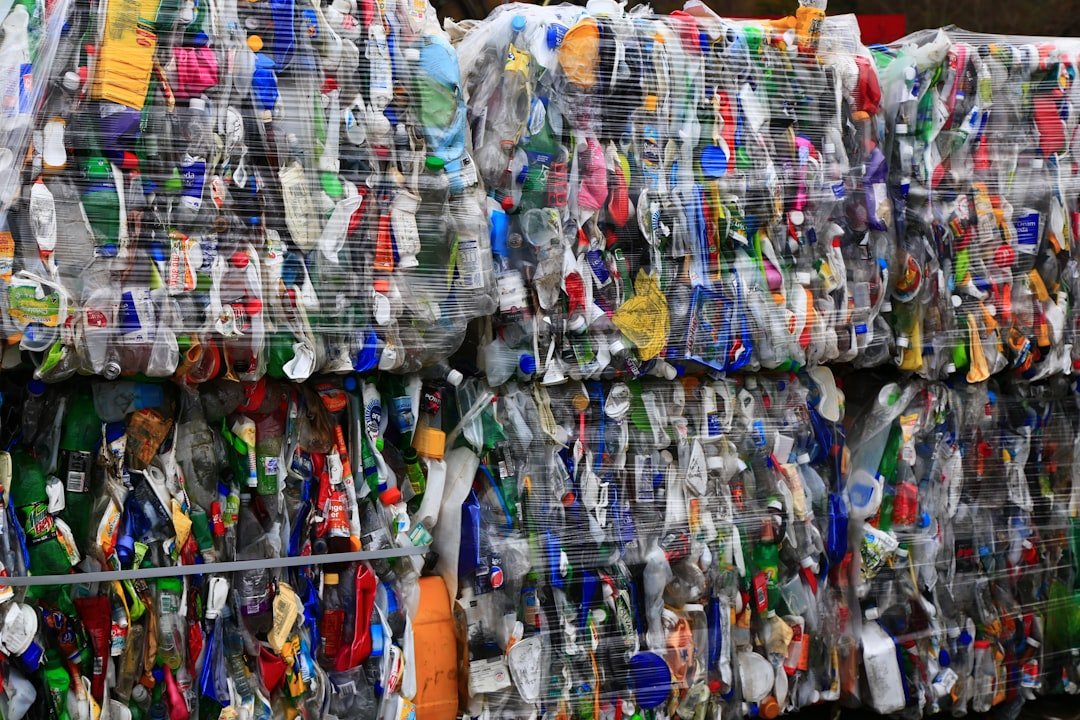
Plastic pollution solutions aren’t just buzzwords—they’re a lifeline. From sprawling landfills to sunlit oceans, plastic waste smothers ecosystems and ends up in our food and water. Traditional polymers linger for centuries, breaking into microplastics that slip into every corner of our planet. We need alternatives that tick every box: renewable, non-toxic, low-carbon and truly circular.
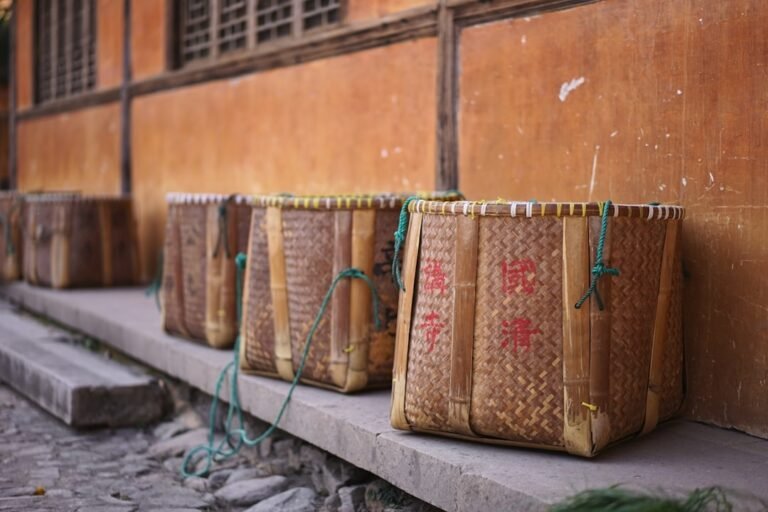
Enter bamboo and jute—nature’s workhorses. Through rigorous life cycle assessments and lab testing, Aegle Sriphal has transformed these fast-growing plants into sturdy, eco-friendly materials. Their approach spans product design, safe chemical choices, and community education to deliver real Plastic pollution solutions. Curious to see how science and sustainability collide? Explore Plastic pollution solutions with Eco-Transformation: Aegle Sriphal’s Sustainable Product Initiative
The Science Behind Bamboo and Jute
Why Bamboo?
Bamboo isn’t your average grass. It’s one of the fastest-growing plants on Earth—some species shoot up a metre a day. That means:
- Rapid renewability: Harvest cycles of 3–5 years versus decades for hardwoods.
- Strong fibres: Naturally antibacterial and durable.
- Carbon capture: Bamboo absorbs more CO₂ per hectare than many trees.
Research shows bamboo-based polymers can match or even exceed plastic in strength tests. By choosing bamboo, we slash the carbon footprint and reduce reliance on fossil fuels. These are the building blocks of true Plastic pollution solutions.
Why Jute?
Jute is often called the “golden fibre.” Here’s why it matters:
- Biodegradable: Breaks down in soil without leaving harmful residues.
- Low-water crop: Requires minimal irrigation.
- Soil enrichment: Returns nutrients once decomposed.
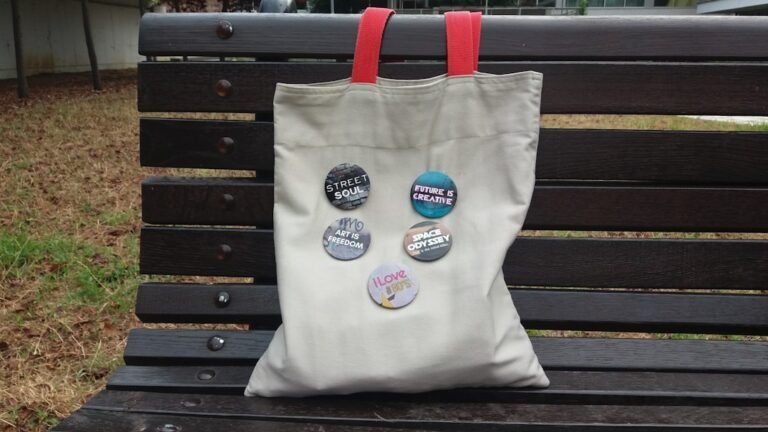
Life cycle assessments confirm that replacing single-use plastic items with jute alternatives—like tote bags or packaging pouches—cuts greenhouse gas emissions by up to 80%. It’s a clear step toward tangible Plastic pollution solutions.
Innovations in Product Design
Plantable Pencils and Beyond
Aegle Sriphal’s plantable pencils are more than a gimmick. Each pencil is embedded with seeds—from basil to marigold—that sprout after use. Benefits at a glance:
- Writes like a standard graphite pencil.
- Encourages zero-waste habits.
- Teaches kids about circular life cycles.
That playful twist tackles plastic pen waste, creating hands-on Plastic pollution solutions one sketch at a time.
Bamboo Homeware and Jute Accessories
From cutting boards to bamboo straws, Aegle Sriphal’s homeware line merges form and function. Key innovations include:
- Bamboo fibre plates: Heat-resistant, dishwasher-safe, and fully compostable.
- Jute storage baskets: Breathable and sturdy, perfect for pantry goods.
- Reusable shopping totes: Lightweight, foldable, and machine-washable.
Each piece is backed by lab testing for chemical safety—no hidden toxins. With these items, everyday choices become smart Plastic pollution solutions.
Measuring Impact: Life Cycle Assessment
Life cycle assessments (LCAs) reveal where environmental wins really happen. Aegle Sriphal’s R&D team maps every step:
- Raw material sourcing: Bamboo plantation versus oil extraction.
- Processing: Energy use, water footprint and solvent checks.
- Product use: Durability tests to maximise lifespan.
- End-of-life: Composting trials and biodegradation studies.
By quantifying each stage, you can see exactly how bamboo and jute cut down plastic waste. That data-driven approach is the core of credible Plastic pollution solutions.
Building the Circular Economy
The magic happens when design meets recovery. Here’s how Aegle Sriphal closes the loop:
- Partnering with local cooperatives to collect and recycle jute scraps.
- Running community workshops on upcycling bamboo off-cuts.
- Piloting take-back programmes for worn-out homeware.
- Collaborating with schools to integrate product composts into gardens.
These actions transform waste into resource. They’re not theoretical—they’re working models for scalable Plastic pollution solutions.
Halfway through the journey to zero-waste? Ready for more? Discover Plastic pollution solutions through Aegle Sriphal’s Eco-Transformation initiative
Key Takeaways and Next Steps
By now, you’ve seen how bamboo and jute innovations tackle plastic head-on. Let’s recap how you can take action:
- Swap single-use plastics for bamboo plates and jute totes.
- Try plantable pencils to blend creativity with sustainability.
- Support brands that prove their impact with real LCAs.
- Encourage local councils and schools to adopt circular models.
Every choice adds up to real Plastic pollution solutions. Whether you’re a household or a business, these small swaps lead to big wins.
Ready to Transform Your Impact?
Plastic pollution is a global puzzle—but with smart materials and science-driven design, the pieces fit. Aegle Sriphal’s bamboo and jute innovations show us the way.
Embrace Plastic pollution solutions with Aegle Sriphal’s Eco-Transformation line