Introduction
Plastic. We use it daily. From shopping bags to packaging, it’s everywhere. Yet only about 9% of our plastic is recycled. The rest? It ends up choking wildlife, leaking toxins, and heating our planet. If you care about ecosystem protection solutions, this guide is for you. We’ll explore why plastic is so harmful and dig into five natural alternatives—bamboo, jute, plantable products and more—that can turn the tide.
The Plastic Pollution Crisis
The Scale of Plastic Waste
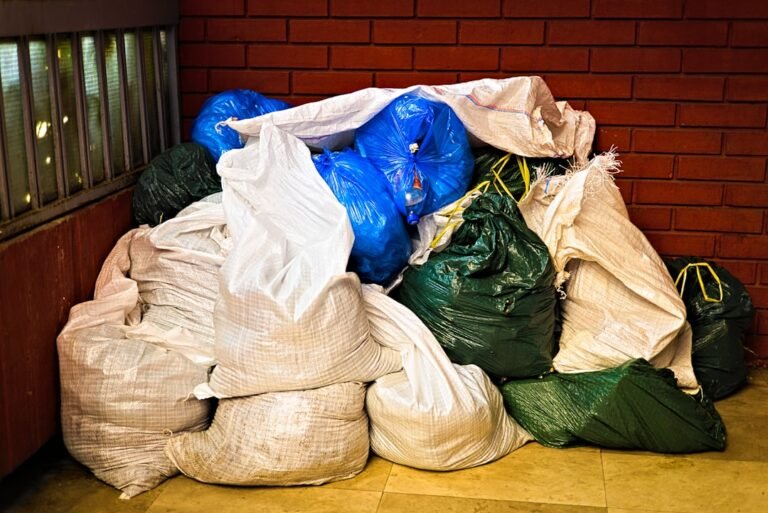
- The world generates roughly 353 million tonnes of plastic waste each year.
- Only 9% gets recycled.
- About 22% leaks into the environment, ending up in landfills, open dumps, or waterways.
Imagine a single country producing a million tonnes of plastic waste every day. That’s our reality. And it only gets worse: by 2060, plastic production and waste could triple compared to 2019.
How Plastic Harms People, Wildlife and Climate
Plastics aren’t just unsightly bits of litter. They’re chemical factories:
- Micro- and nanoplastics can cross cell membranes—think the placenta or blood–brain barrier—and cause inflammation, infertility or developmental harm.
- Plastics emit greenhouse gases at every stage, from drilling oil to burning waste, adding about 5% of global emissions.
- Chemicals like BPA and PFAS leach into soil, water and living tissue, linked to cancers and metabolic disorders.
- Marine animals get entangled, mistake bags for food or harbour invasive species.
Every piece of plastic we discard is a ticking time bomb for ecosystems and human health.
Ecosystem Protection Solutions: Shifting Systems, Materials and Mindsets
Tackling plastic pollution means more than banning straws. It requires systemic change:
- Upstream: Reduce production and shift to circular materials.
- Downstream: Improve waste collection, recycling and reuse.
- Community: Educate and engage citizens in conscious living.
But today, let’s zero in on one pivotal pillar: natural materials. These are at the heart of many ecosystem protection solutions.
Five Natural Material Solutions for Ecosystem Health
Here are five powerful, plant-based alternatives that can replace plastic and support ecosystem protection solutions.
1. Bamboo: The Fast-Growing Wonder
Bamboo is amazing:
- Grows up to a metre a day.
- Requires no fertilisers.
- Absorbs carbon faster than most trees.
Use cases:
- Bamboo kitchenware (plates, utensils, cutting boards).
- Bamboo straws and toothbrushes.
- Bamboo homeware (storage boxes, trays).
By choosing bamboo products, you’re cutting out fossil-fuel plastics and supporting sustainable forestry. Aegle Sriphal’s range of bamboo homeware demonstrates how elegant design and ecosystem protection solutions can marry seamlessly.
2. Jute: Durable, Biodegradable Fibre
Jute is known as the “golden fibre”:
- Stronger when wet.
- Fully biodegradable in soil within months.
- Low water and pesticide needs.
Common jute items:
- Shopping and tote bags.
- Rugs and mats.
- Cosmetic pouches.
Switch from single-use plastic bags to jute totes. That one change can prevent hundreds of plastic bags from polluting rivers, coastlines and landfills—central to many ecosystem protection solutions.
3. Plantable Pencils: Education Meets Action
Imagine using a pencil that grows into a herb or flower once it’s too small to write with. That’s the magic of plantable pencils. They’re embedded with seeds of basil, marigold or thyme. When you’re done, simply plant the stub.
Why it matters:
- Reduces pencil and plastic waste.
- Teaches kids and adults about life cycles.
- Creates pockets of greenery—benefiting urban ecosystems.
Aegle Sriphal’s plantable pencils are a hallmark of ecosystem protection solutions that blend product and purpose.
4. Biodegradable Packaging Films
Cellulose, starch and protein-based films can replace conventional plastic wrap:
- Break down naturally in compost.
- Provide moisture and oxygen barriers.
- Compatible with heat-sealing machinery.
Brands and manufacturers can adopt these films for fresh produce, snacks and cosmetics. It’s an upstream intervention that cuts plastic at the source and aligns with ecosystem protection solutions.
5. Natural Fibre Composites
Blending fibres like hemp, flax or coconut coir with natural resins yields strong, mouldable materials. Use them for:
- Automotive interiors.
- Building panels.
- Consumer electronics casings.
These composites decompose far more cleanly than petrochemical plastics and reduce reliance on virgin polymers.
Beyond Materials: A Holistic Approach
Natural materials shine, but they work best within a broader framework of ecosystem protection solutions:
- Extended Producer Responsibility (EPR): Brands take back and reuse products.
- Deposit-return schemes: Reward customers for returning containers.
- Community clean-ups: Mobilise locals in litter removal.
- Policy advocacy: Push for plastic bans and subsidies for bio-based materials.
It’s a three-pronged assault: design, policy and behaviour. When you combine natural-material products with stronger waste management and conscious consumption, you hit plastic pollution from every angle.
How Aegle Sriphal Supports Ecosystem Protection Solutions
At Aegle Sriphal, we believe in real, actionable steps:
- 100% natural materials in all products.
- Eco-friendly production methods minimise environmental impact.
- Plantable products to promote environmental education.
- Community engagement through workshops and clean-ups.
Plus, for businesses wanting to boost their green credentials, there’s Maggie’s AutoBlog—our AI-powered content platform. It crafts SEO-optimised, eco-focused articles automatically, letting you focus on sustainability while your online presence thrives.
Taking Action Today
You don’t need to wait for global treaties or perfect recycling systems. Start small:
- Swap single-use plastics for bamboo or jute.
- Plant your pencil stub into a pot.
- Choose biodegradable wrap at the supermarket.
- Support brands with EPR commitments.
- Get involved in a local clean-up.
Every switch, every purchase, every blog post shared moves the dial on ecosystem protection solutions. And it all adds up.
Conclusion
Plastic pollution is a colossal challenge. But by championing natural, renewable materials and bolstering systemic reforms, we can protect our ecosystems—and our health. From bamboo kitchenware to plantable pencils, these five solutions showcase how simple changes yield big results.
Ready to lead the change? Dive into Aegle Sriphal’s sustainable goods and innovative services today.