The Rise of Eco-Friendly Stationery
The stationery aisle is changing. You’ve seen it too. Shelves once crammed with plastic pens, glossy paper and chemical-laden inks are now dotted with eco-friendly stationery options. From recycled notebooks to tree-free greeting cards, the market is blossoming.
Yet, not all solutions are created equal. Tree-free alternatives—like those ingenious POOPOOPAPER cards made from recycled organic waste—make a bold statement. And they do spark a conversation. But when you dig deeper, you discover limitations:
- A narrow product range (mostly cards and invitations).
- A production process that can be energy-intensive.
- Variable durability and texture.
- A quirky backstory that, for some, crosses a comfort threshold.
That’s where Aegle Sriphal’s bamboo stationery steps in. It’s more than a novelty. It’s a holistic approach to sustainable goods that blends innovation, community impact and high performance.
What Makes Bamboo Stationery Special?
Bamboo isn’t just another material. It’s the fastest-growing plant on Earth. In some climates, it can regrow without replanting. It thrives with minimal water. And it absorbs more carbon dioxide than many trees. All of this translates into eco-friendly stationery that:
- Uses a renewable, regenerating resource.
- Minimises water usage and soil degradation.
- Cuts down carbon footprint dramatically compared to tree-based paper.
- Offers a naturally smooth, durable finish for writing and sketching.
Plus, bamboo products often feature a distinctive texture and subtle grain. That tactile quality turns everyday writing into a small luxury.
A Quick Peek at Tree-Free Paper Competitors
Companies like POOPOOPAPER have championed tree-free greeting cards. Their handcrafted cards boast unique textures, natural colour variations and a genuine story: transforming waste into beauty. They tick many boxes:
- Organic, chemical-free production.
- A clear commitment to both people and planet.
- Novelty that sparks “Wow, no way that was poo!” reactions.
But is novelty enough? For a small business, school or design studio looking for eco-friendly stationery, you need consistency, range and proof of real-world performance.
Here’s where bamboo shines again:
- It scales easily for various products—pens, pencils, notebooks and more.
- It offers robust durability, resisting tears and moisture better than some tree-free fibres.
- It supports local communities in bamboo-growing regions through ethical sourcing.
Why Bamboo Beats Tree-Free Alternatives
-
Versatility and Range
Bamboo can be crafted into plantable pencils, sophisticated notebooks, sleek pen casings and even rulers. Tree-free paper brands often stick to greeting cards, invitations and gift tags. Need a full stationery suite? Bamboo has you covered. -
Performance You Can Rely On
Ever tried writing on ultra-rough card stock? It can be a workout for your pen. Bamboo paper and pencils deliver a smooth, consistent experience. Your fountain pen glides. Your sketches stay crisp. -
True Sustainability
Bamboo’s rapid growth cycle and low water requirements mean we tread lightly on the planet. And once harvested, bamboo regenerates naturally—no replanting needed. That contrasts with some tree-free papers that can still require intensive processing or special pulping chemicals. -
Community Empowerment
Aegle Sriphal partners with farmers and artisans. They pay fair wages, ensure safe working conditions and invest in local education programmes. The result? A supply chain that uplifts people as much as it protects the planet. -
Aesthetic Appeal
Bamboo products often showcase elegant grain patterns and a warm, natural tone. They look and feel premium—far beyond the rustic charm of rough-edged, tree-free cards.
Real-World Impact: Aegle Sriphal’s Bamboo Supply Chain
When you pick up a bamboo notebook from Aegle Sriphal, here’s what happens behind the scenes:
- Ethically harvested bamboo culms are transported to partner mills with solar-powered machinery.
- Artisans transform raw fibres into smooth, recyclable sheets.
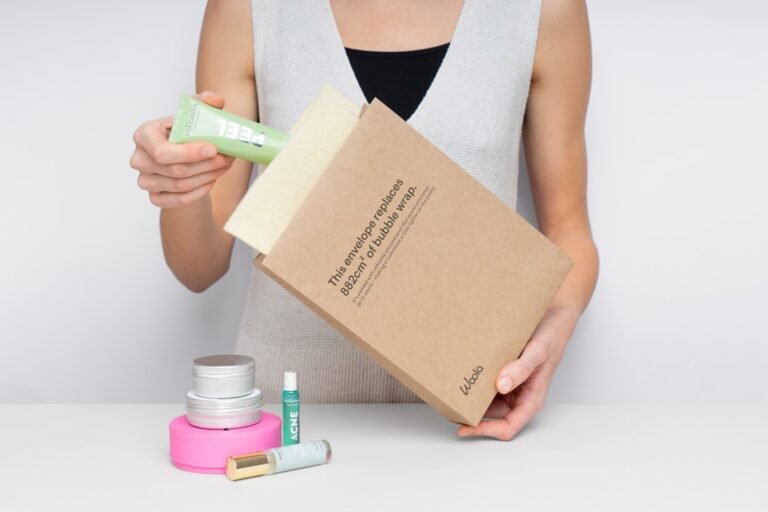
- Finished products are packaged in minimalist, plantable wrapping that sprouts wildflower seeds when planted.
That last part isn’t fluff. It’s a real nod to environmental education. Kids and adults alike can watch the wrapping come alive—turning discarded packaging into colourful blooms.
Integrating AI-Driven Content: Maggie’s AutoBlog
While we’re all about tangible, tactile goods, we also offer Maggie’s AutoBlog, our AI-powered platform for SMEs. If you run a boutique stationery shop or an eco-conscious café, Maggie’s AutoBlog automates your SEO and GEO-targeted blog content. It’s a seamless way to boost online visibility without hiring a whole team. Smart, right? And perfectly aligned with our mission to support small to medium enterprises.
Comparing Environmental Footprints
Let’s crunch some numbers:
-
Tree-Free Paper (per tonne):
• Energy consumption: High
• Water usage: Moderate
• Carbon offset: Low -
Bamboo Fibre Paper (per tonne):
• Energy consumption: Moderate–Low
• Water usage: Minimal
• Carbon offset: High
The takeaway? Bamboo doesn’t just match; it often surpasses tree-free options on key sustainability metrics.
How to Make the Switch
Ready to overhaul your office supplies or classroom kits? Here’s a quick roadmap:
-
Audit Your Current Stock
Gather up your existing notebooks, pens and cards. Note quantities and types. -
Choose Bamboo Equivalents
Swap spiral notebooks for bamboo-bound journals. Replace plastic rulers with bamboo measuring tools. Try plantable pencils instead of regular graphite sticks. -
Train Your Team or Class
Share the story behind your new supplies. Highlight the community partnerships, carbon savings and planting activity. -
Measure and Report
Track how much paper waste you reduce. Celebrate each milestone—20% less tree-based paper, 30% fewer plastic pens, etc. -
Share Your Journey
Use Maggie’s AutoBlog to share your sustainability story online. Simple, consistent posts keep customers engaged and attract like-minded partners.
Embracing Sustained Change
Switching to eco-friendly stationery isn’t a one-off stunt. It’s a mindset. By choosing bamboo, you:
- Hide nothing. Your materials are renewable and traceable.
- Put people first. You support fair wages and safe working conditions.
- Keep learning. You educate others through plantable packaging and community projects.
It’s about crafting a culture, not just filling pencil cases.
Beyond Stationery: Building an Eco-Conscious Brand
Aegle Sriphal’s mission stretches beyond notebooks and pens. We run workshops, partner with schools and host community clean-up drives. Every initiative circles back to one goal: making sustainability tangible, accessible and, yes, fun.
Conclusion: Bamboo—The Genuine Eco-Friendly Stationery Choice
Tree-free alternatives have earned their place. They deserve respect for tackling waste and rethinking materials. But when it comes to scaling a full range of eco-friendly stationery, delivering consistent performance and uplifting communities, bamboo reigns supreme.
At Aegle Sriphal, we don’t just sell products. We champion a movement. One where every scribble, sketch and note connects you to farmers, artisans and the planet. So next time you browse stationery options, pause. Ask yourself:
- Do I want a one-trick novelty?
- Or do I want a sustainable partner for the long haul?
The choice is clear. Bamboo stands strong. Make your next pen, pencil and notebook a testament to genuine sustainability.