The Rise of Sustainable Stationery
We’ve all seen it—piles of single-use plastic pens, cheap notebooks that fall apart in days. It’s tiring. And it hurts the planet.
Enter bamboo notepads and eco-friendly wall art. They’re sturdy, stylish, and guilt-free.
Why now? A few trends:
- Plastic waste is at an all-time high.
- Consumers demand transparency.
- Businesses want greener credentials.
It’s not just hype. The global green goods market is set to hit almost $300 billion by 2025. Sustainability isn’t an option anymore. It’s a necessity.
Why Bamboo?
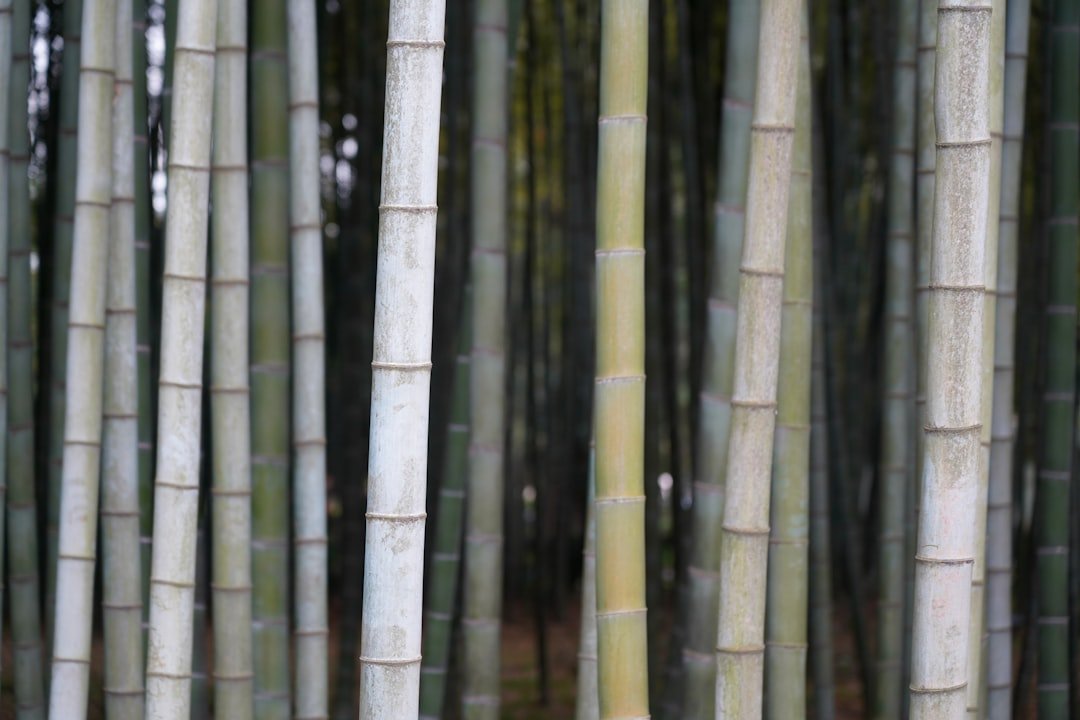
Bamboo grows like crazy. Seriously. Some species shoot up almost a metre a day. That makes it one of the fastest-renewing materials on earth.
Benefits at a glance:
- Rapid renewability—harvest in 3–5 years versus decades for trees.
- Natural strength—comparable to oak.
- Low water footprint—needs minimal irrigation.
- Pest-resistant—no harsh chemicals.
Now mix that with FSC certification. You know those little tree logos? That’s your guarantee forests are managed responsibly. No clear-cutting. No habitat destruction. Just smart, sustainable harvesting.
From Forest to Desk
- Certified bamboo is carefully selected.
- Fibres are processed with eco-friendly methods.
- Pages are bound into elegant notepads.
- Packaging uses recycled or compostable materials.
Result? Bamboo notepads that feel premium and leave a tiny footprint.
Comparing Traditional Notepads vs Bamboo Notepads
Let’s talk brass tacks. You’ve probably grabbed a standard illustrated pad—say, the 5.5 × 8.5″, 50-sheet version you find online for about $10. Great design. Nice weight. But:
- Uncertainty over sourcing.
- Non-recycled packaging.
- Limited biodegradability.
(Yes, even thick paper often isn’t composted.)
Here’s where Aegle Sriphal’s bamboo notepads shine:
- FSC-certified bamboo pages that biodegrade in months.
- Non-toxic ink options for printing.
- Recycled cardboard covers, some even embedded with seeds.
- Handmade quality. No flimsy spines.
Sure, that $10 pad looks sleek. But do you know where the paper came from? We do. And we make sure every step meets high environmental standards.
Aegle Sriphal’s Eco Initiatives
Aegle Sriphal isn’t just another seller of pretty stationery. We’re on a mission. Our USP:
- 100% natural materials.
- Eco-friendly production.
- Innovative, functional designs.
- Plantable products that educate.
- A community of conscious consumers.
Our range includes:
- FSC-certified bamboo notepads in multiple sizes.
- Handcrafted bamboo wall art—from geometric panels to botanical prints.
- Seed-embedded greeting cards—plant and watch wildflowers grow.
Plus, we’ve got Maggie’s AutoBlog, our AI-powered platform that crafts SEO and geo-targeted blog content for eco-brands. It’s a nifty tool if you run a small business and need high-quality posts without hiring a big team.
Curious? We’d love to show you more.
Discover Our Sustainable Range
Sustainable Wall Art: A New Frontier
Bamboo wall art—who knew? Picture slim bamboo planks arranged in a chevron pattern or a minimalist frame holding pressed leaves. It’s warm. It’s modern. And it’s green—literally.
Key perks:
- Lightweight installation.
- Durable in humid or dry climates.
- Low VOC finishes.
- Custom designs to match any décor.
Instead of buying art printed on plastic or coated wood, opt for a piece that’s as good for your walls as it is for the earth.
Making the Switch: Practical Tips
Ready to swap your old notepads for bamboo? Here’s how:
- Audit your supplies. Inventory current notebooks, cards, art.
- Choose products with FSC certification.
- Look for natural-ink printing.
- Check packaging—prefer recycled or compostable.
- Dispose or recycle old paper properly.
Small steps add up. Replace one or two items each month. Before you know it, your entire desk—and office—will be eco-friendly.
Real-World Example
Jane runs a small design studio in Berlin. She switched her team to bamboo notepads and swapped wall prints for bamboo art. The result? Clients loved the aesthetic. Staff felt proud to work sustainably. Waste bins filled with compostable paper instead of plastic.
Easy. Effective. Rewarding.
Overcoming Price Concerns
Yes, bamboo notepads can cost more upfront than a mass-produced pad. Here’s why it pays off:
- Longer lifespan—fewer replacements.
- Positive brand image—clients notice.
- Lower environmental costs—less waste disposal.
When you factor in durability and eco-credentials, the extra pound or two makes sense.
The Future of Office Supplies
Picture a workspace where every tool is natural, ethical, and beautiful:
- A bamboo desk organiser.
- A seed-infused pen that you plant when it’s done.
- Greeting cards that bloom into flowers.
- Wall art that adds warmth without chemicals.
That’s not sci-fi. That’s Aegle Sriphal’s vision. And it’s happening now.
Conclusion
We’ve covered a lot. From forests full of rapidly regrowing bamboo to the elegant notepads on your desk. You’ve seen how bamboo notepads and wall art reduce waste, look great, and feel solid.
No more flimsy, landfill-bound paper. No more hidden environmental costs. Just honest, sustainable stationery that tells your story—and protects the planet.
Ready to make the switch? It’s easier than you think.