Why Zero Waste Design Matters Every Day
We all love Earth Day. But true sustainability isn’t a one-day event. Zero waste design is about creating products and practices that leave no trace. It’s a mindset shift. And bamboo and jute lead the way.
What is Zero Waste Design?
Zero waste design means:
– Designing with end-of-life in mind.
– Choosing materials that are renewable, recyclable or biodegradable.
– Minimising waste at every step: from sourcing to disposal.
In practical terms, you ask: “Can this be composted or repurposed?” Bamboo and jute answer “Yes!” every time.
Benefits of Embracing Bamboo and Jute
Renewable Resources
Both bamboo and jute grow fast. Bamboo can mature in 3–5 years. Jute regenerates quickly without chemical fertilisers.Natural Beauty
Their textures and earthy colours work with any décor. Think coastal kitchens or minimalist offices.Durability
Bamboo is stronger than many hardwoods. Jute fibres can handle heavy loads when woven properly.Carbon Sequestration
Bamboo forests absorb CO₂ at a rate far higher than many trees. Jute fields also lock carbon in soil.
By focusing on zero waste design, you honour Earth Day every day—using products that work hard and vanish harmlessly.
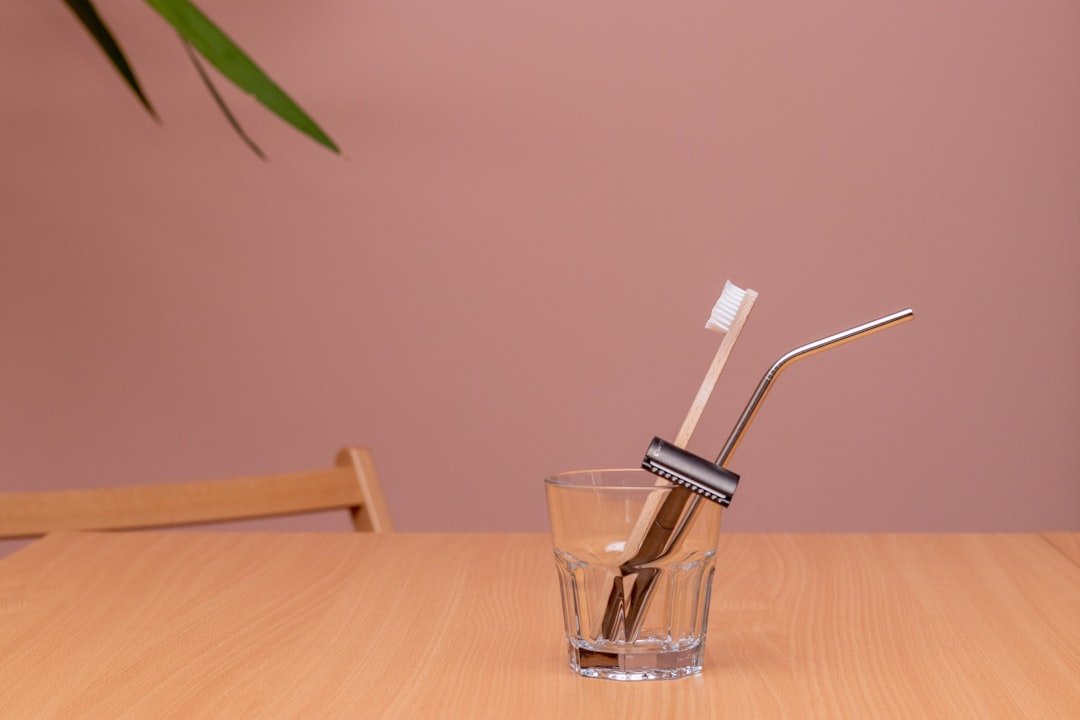
1. Bamboo Drinking Straws with Built-in Cleaning Brushes
“I swapped plastic straws for bamboo ones. The change? A few seconds extra cleaning, zero plastic waste.” – Clara, London
Key Features:
– Naturally antimicrobial bamboo.
– Built-in stainless-steel cleaning brush that nests inside.
– Packaged in a reusable jute pouch.
Why It Rocks:
– You sip hot tea or iced coffee without nasty chemicals.
– No need for single-use plastics.
– The jute pouch doubles as a storage case or coin purse.
Actionable Tip:
Always rinse your bamboo straw within hours of use to prevent moisture damage. Let it air dry in a dish rack.
2. Reinforced Jute Tote Bags
Jute tote bags have been around, but Aegle Sriphal takes them next-level with reinforced recycled-cotton handles and wax-coated lining.
Benefits:
– Carry groceries, gym gear or weekend essentials in one bag.
– The wax lining stops moisture from seeping through fibre.
– Folds flat—perfect for your zero-waste shopping ritual.
Pro Tip:
Keep a folded jute tote in your coat pocket or car. You’ll never be caught grabbing a plastic bag again.
3. Plantable Bamboo Pencils
Remember losing your pencil stub halfway through an exam? Now imagine planting it afterward.
How It Works:
– Made of sustainably sourced bamboo.
– Embedded with herb or flower seeds in the barrel.
– Once it’s a stub, simply plant it in soil and watch it sprout.
Zero Waste Design Perk:
No more stubs sitting in drawers. You get stationery and a mini garden.
4. Collapsible Bamboo Kitchenware
Space-saving. Stylish. Sustainable.
Items Include:
– Bamboo measuring cups and spoons that nest.
– Collapsible bamboo steamers.
– Folding bamboo cutting boards.
Why You’ll Love It:
– Fits in small city flats or camper vans.
– Bamboo’s natural oil finish resists stains and odours.
– Zero waste design through longevity—you’ll use these for years.
Insider Hack:
Keep your cutting board in direct sunlight occasionally. It helps kill any lingering microbes without chemicals.
5. Jute Educational Planters
Combine home décor, green thumb practice and sustainability lessons for kids.
Features:
– Biodegradable jute pot with water-retaining liner.
– Printed with plant growth stages.
– Comes with a packet of wildflower seeds.
Why It Matters:
– Teaches children about life cycles and soil health.
– Encourages hands-on fun—dig, plant, water.
– When the planter wears out, compost it.
Kid-Friendly Idea:
Let little ones draw on the pot with eco-friendly chalk. They’ll feel ownership of the planting process.
How Aegle Sriphal Champions Sustainable Innovation
At Aegle Sriphal, we’re more than a brand—we’re a movement. Our 100% natural materials and eco-friendly production methods ensure each item follows zero waste design principles:
- We never blend bamboo with plastics or synthetic glues.
- Our jute fibres come from farms that practise crop rotation and water conservation.
- Every product is designed for disassembly—so parts can be composted or recycled.
Behind the scenes, our team uses Maggie’s AutoBlog, an AI-powered platform, to share these innovations with you. Through real-time SEO optimisation, we ensure tips on zero waste design reach eco-minded readers across Europe.
Practical Tips for Integrating Zero Waste Design at Home
Thinking of a fully sustainable kitchen or workspace? Start small:
- Swap one plastic item each month: straws, bags, utensils.
- Dedicate a drawer to bamboo and jute replacements.
- Label bins for compost, recycling and general waste.
- Host a swap party: neighbours bring items they don’t need; you exchange.
- Subscribe to plantable bamboo pencils for a steady garden supply.
Small changes add up. Zero waste design isn’t an overnight miracle—it’s a habit. Over six months, you’ll look back and realise how much plastic you’ve avoided.
Conclusion
Bamboo and jute prove that style and sustainability can go hand in hand. By choosing products built on zero waste design, you celebrate Earth Day every day. With Aegle Sriphal’s innovations, you not only reduce your footprint—you inspire your community.
What’s stopping you from making the switch? Start your zero waste design journey today and feel good about every sip, carry and sketch.
Ready to explore more? Visit Aegle Sriphal and join our eco-friendly revolution.