Winter’s Hidden Hazards and the Rise of Natural Eco Products for Pet Owners
When frost and ice settle in, many of us rush for the nearest bag of traditional rock salt. It works fast, but at what cost? Harsh chemicals can burn paws, damage vegetation, corrode concrete and leave a salty residue that lingers long after the last snowflake melts. Pet owners know the worry of winter walks: torn paw pads, stinging paws and muddy paws that track indoors. There must be a gentler way to keep pathways clear.
If you want to commit to greener living, Discover Natural eco products: Aegle Sriphal’s Sustainable Product Initiative. In this guide we’ll explore five pet-safe, eco-friendly ice melt alternatives that anyone can whip up or source locally. We’ll weigh them against a leading potassium-based competitor, highlight practical tips for storage and application, and show how simple changes can protect your pets, your garden and the planet.
Why Traditional Ice Melts Can Be a Problem for Pets and the Planet
Most rock salts and de-icers rely on chemicals that melt ice by lowering its freezing point. They can include:
- Sodium chloride: Cheap, plentiful, but very corrosive to metal, concrete and paws
- Calcium chloride: Highly effective down to lower temperatures, but can burn skin and plant roots
- Urea-based formulations: Less corrosive, yet can harm waterways by spurring algae blooms
A popular alternative on the market is GroundWorks Natural™ Icemelter. It uses potassium, a nutrient also found in organic lawn fertilisers, so it won’t burn pets’ paws or gardens like harsher salts. It even boosts plant health. But it comes in large plastic bags or pails, often requiring heavy lifting or local pickup. It’s a solid step forward, yet it still involves shipping bulk product and plastic packaging.
That’s why many households are turning to truly Natural eco products that are low-waste, pet-friendly and often free or nearly so. Let’s dig into five clever substitutes.
Alternative #1: Sand and Grit Mixtures with Sustainable Sourcing
Sand and grit mixtures don’t melt ice, but they provide the traction needed to prevent slips. Better still, you can source:
- Recycled grit from local highway departments
- Eco-labelled playground sand
- Fine gravel from reclaimed construction sites
Why choose this blend? It’s inert, so there’s no harm to paws, soil or watercourses. You won’t see salt stains on your concrete and there’s no risk of chemical burns on your dog’s pads. Just sprinkle a light layer on icy spots and sweep it up once surfaces clear.
Tip: Store your grit in a sealed jute bag to keep moisture out. Jute bags also come from renewable fibres and decompose naturally when worn out.
Alternative #2: Coffee Grounds and Other Kitchen Scraps
Next time you brew a pot of coffee, save the spent grounds. They offer two winter benefits:
- Better traction on slick paths
- Natural acidity that lowers freezing point slightly
You can mix coffee grounds with sand or kitty litter for added grip. Unlike salt, the grounds won’t harm your lawn and they break down into the soil over time, feeding earthworms and microbes. Citrus peel and eggshells also work as traction agents.
Just collect and dry these scraps before real frost arrives. Spread them thinly and sweep up the residue once the danger passes. It’s budget-friendly and keeps organic waste out of landfill—all hallmarks of Natural eco products.
Alternative #3: Beet Juice Solutions
Beet juice might sound odd, but sugar in the juice helps melt ice quickly. Municipalities in colder regions blend beet juice with brine to protect roads. You can replicate a mini version at home:
- Mix one part beet juice (canned or fresh) with two parts water
- Add a tablespoon of biodegradable dish soap
- Spray directly onto ice
The sugar content lowers the freezing point, while the soap prevents refreeze. The pink stain washes away with the next rainfall. This liquid method is pet-safe and cost-effective.
Feel inspired to explore more ways to integrate eco-friendly routines at home? Browse Natural eco products with Aegle Sriphal’s sustainable range as you build your holistic winter kit.
Alternative #4: Bran and Grain Byproducts
Farmers have long used bran to de-ice rural lanes. Rice or wheat bran acts like fine sand, plus it absorbs moisture. You can obtain bran from local mills or bulk food stores. Benefits include:
- Strong grip on slippery floors
- Eco-friendly sourcing, often in paper packaging
- Biodegrades naturally in the environment
Simply scatter a thin layer over icy patches. After use, rake any excess back onto garden beds as mulch. This circular approach demonstrates the power of Natural eco products to care for land and creatures alike.
Alternative #5: Eco-Friendly Plant-Based Deicers
Several companies now offer plant-derived deicers made from citrus extracts or organic acids. They often contain:
- Limonene from citrus peel
- Acetic acid from vinegar
- Fatty alcohols from renewable oils
These deicers melt ice effectively down to moderate temperatures, are fully biodegradable and won’t harm paws or plant life. They typically come in concentrate bottles, allowing you to dilute and refill reusable spray containers. This cuts plastic waste and shipping weight—true champions of Natural eco products.
Comparing These Methods with GroundWorks Natural™ Icemelter
GroundWorks Natural™ Icemelter scores high on safety. Its potassium base won’t burn paw pads or roots. Yet it arrives in substantial plastic packaging, often beyond what a small household needs. It can ship on pallets from satellite warehouses, adding to its carbon footprint.
By contrast, the five alternatives above:
– Use locally sourced scraps or materials
– Slip seamlessly into zero-waste routines
– Cost next to nothing compared with wholesale bags of deicer
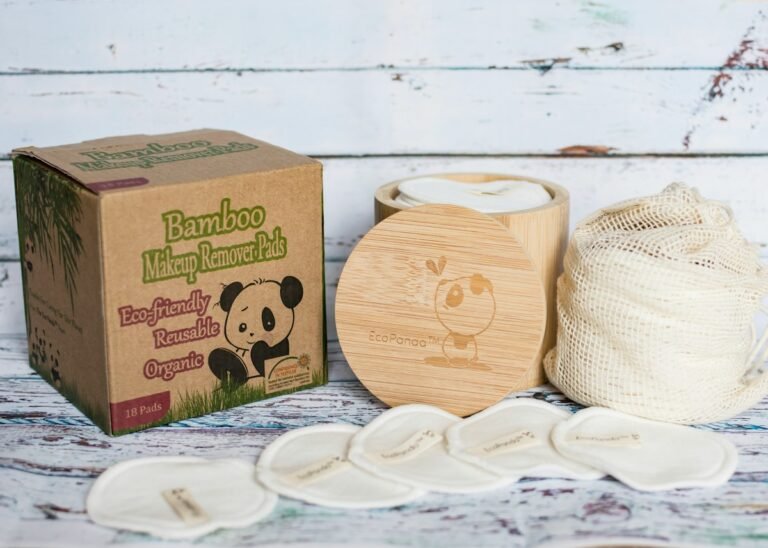
Plus, you gain flexibility. Sand, coffee grounds and bran sit in your garage in simple paper or jute sacks. Beet juice and plant-based concentrates fit in any kitchen cupboard. This DIY ethos complements the broader offering from Aegle Sriphal, where you can find bamboo homeware, jute shopping bags and plantable pencils to turn everyday items into sustainable statements.
Tips for Storing and Applying Your Pet-Safe Deicers
A few quick pointers will keep your winter toolkit in top shape:
- Use airtight containers or cloth sacks to keep moisture out.
- Label each mixture clearly so you don’t confuse grit with kitchen scraps.
- Apply sparingly: a little goes a long way, and excess can turn slippery.
- Remove residues when surfaces thaw; compost or reuse where possible.
A consistent storage routine mirrors the simplicity of Natural eco products—low fuss, high impact.
Conclusion: Embrace Natural Eco Products All Year Round
Pet-friendly ice melt doesn’t need to mean plastic, bulk bags or harsh chemicals. With a handful of sand, some coffee grounds, leftover beet juice, bran or plant-based sprays, you can keep pathways safe and green. These five solutions beat traditional salts on every front: cost, environmental impact and paw protection.
Still keen to make every corner of your home more sustainable? Embrace Natural eco products today with Aegle Sriphal’s green collection. From jute bags to bamboo homeware and plantable pencils, every item is designed to reduce waste and inspire conscious living. Let’s make winter care part of a broader, eco-positive lifestyle.