Learn essential tips to choose and maintain safe, sustainable kitchenware made from 100% natural materials for a healthier home.
Why Sustainable Kitchenware Matters
Every time we reach for a plastic spatula or non-stick pan, we risk exposing our food to chemicals. Over time, these substances can leach into meals, posing health risks. Meanwhile, petroleum-based products and single-use plastics pile up in landfills and oceans.
Switching to sustainable kitchenware isn’t just about looking good in your kitchen—it’s about:
- Protecting your health. Non-toxic eco-friendly cookware minimises exposure to harmful substances.
- Caring for the planet. Natural materials break down safely, cutting waste.
- Saving money long term. Durable designs last decades, not months.
The good news? You don’t have to compromise style or function. A few smart choices will give you kitchenware that’s safe, sturdy and planet-friendly.
Key Considerations for Non-Toxic Eco-Friendly Cookware
When hunting for sustainable kitchenware, start by understanding materials. Each option has pros—and things to watch out for.
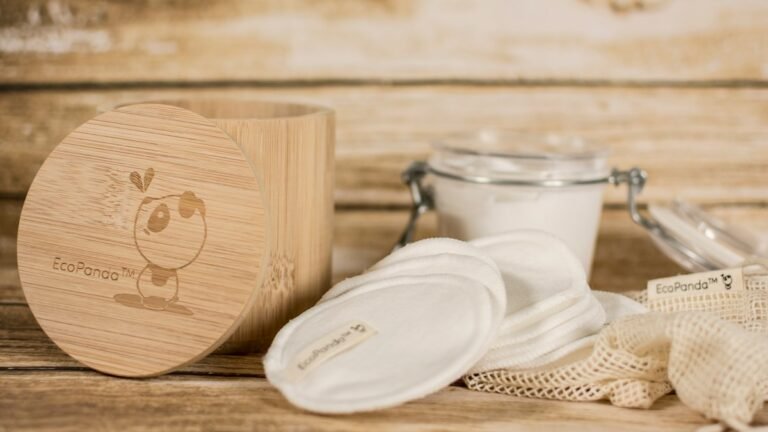
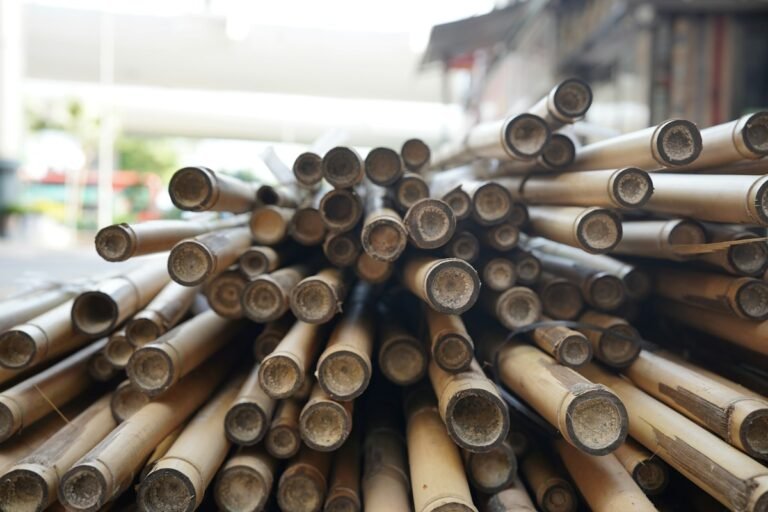
1. Bamboo
- Renewable resource: Reaches maturity in 3–5 years.
- Naturally antimicrobial: Resists bacteria better than wood.
- Lightweight and durable: Perfect for utensils, cutting boards, steamers.
Tip: Choose boards made from laminated bamboo. They’re less prone to warping and cracking.
2. Jute and Natural Fibres
Jute isn’t just for bags. It’s a rising star in kitchen accessories:
- Dishcloths and scrubbers: Biodegradable and gentle on surfaces.
- Storage baskets: Breathable, mould-resistant.
Make sure fibres are untreated and free from synthetic dyes to keep them truly eco-friendly.
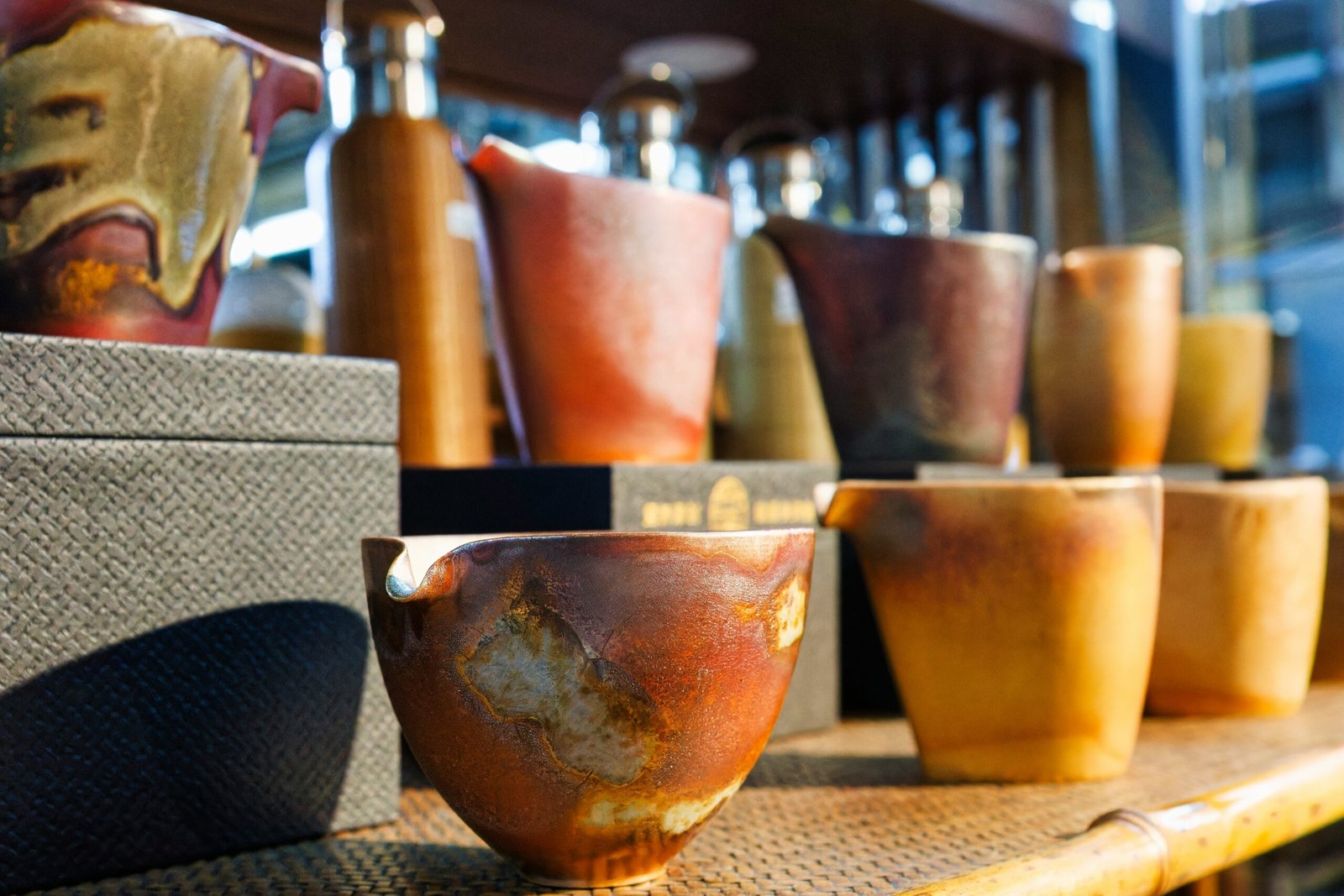
3. Ceramic and Porcelain
When properly glazed, ceramic and porcelain are inert. That means no weird chemicals leaching into your soup.
- Look for lead- and cadmium-free labels.
- Check for chips or cracks before use—damaged glazes can harbour bacteria.
4. Stainless Steel and Cast Iron
- 18/10 stainless steel: Highly corrosion-resistant and dishwasher-safe.
- Cast iron: Naturally nonstick once seasoned, excellent heat retention.
Seasoning your cast iron well creates a protective barrier, ensuring no metallic taste or rust.
Decoding Regulatory Standards
Regulations exist to protect us. But they can be confusing. Here’s the quick guide:
- EU EC No. 1935/2004: Governs all food-contact materials in Europe.
- FDA 21 CFR: U.S. standard for plastics, metals, ceramics.
- LFGB (Germany) and DGCCRF (France): Country-specific rules on migration limits.
When you see compliance marks, it means products have passed strict chemical and physical tests. Always ask sellers for certificates or test reports. A transparent supply chain is non-negotiable.
How to Choose the Right Sustainable Kitchenware
Finding safe, sustainable kitchenware is simpler than you think. Follow these steps:
Trace the origin.
– Ask: Where does the bamboo or clay come from?
– Look for brands practising eco-friendly production, with clear supply chains.Verify chemical safety.
– Check for third-party testing (e.g. screening for heavy metals).
– Steer clear of unknown or unlabelled goods.Assess physical durability.
– Microwave-safe? Dishwasher-resistant?
– Ensure items match your cooking habits.Prioritise multipurpose design.
– Cutting boards that double as serving platters.
– Collapsible steamer baskets to save space.Look for end-of-life solutions.
– Can you compost the materials?
– Any plantable components (e.g. seed-infused tags)?
Pro tip: A little research upfront saves you money and frustration later.
Maintaining Your Eco-Friendly Cookware
Even the toughest kitchenware needs TLC. Here’s how to keep your non-toxic cookware in top shape:
- Clean gently. Use soft sponges and mild soap. Abrasive pads can scratch glazes or tear natural fibres.
- Dry thoroughly. Prevent mould on wooden or jute items by air-drying in a well-ventilated spot.
- Re-season cast iron. After washing, rub a light layer of oil over the surface and heat until it smokes lightly.
- Refresh bamboo surfaces. Sand lightly and rub in food-grade mineral oil every few months.
- Store properly. Avoid stacking ceramic bowls too tightly. Leave spacing to reduce chips.
By treating your kitchenware with care, you extend its life and ensure it remains 100% safe and functional.
Aegle Sriphal’s Approach to Safe, Sustainable Kitchenware
At Aegle Sriphal, we believe conscious living starts in the kitchen. Here’s why our range stands out:
- 100% natural materials: From bamboo steamers to jute dish mats, our products are free of plastics, paints and toxic coatings.
- Eco-friendly production: We partner only with mills and workshops that minimise water use and eliminate harsh chemicals.
- Innovative designs: Our bamboo cutting boards feature integrated juice grooves; jute storage baskets collapse flat for shipping.
- Plantable tags: Each product comes with a seed-infused label—once you’ve reached the end of its life, plant it in soil and watch wildflowers grow.
- Community engagement: Join our online workshops and learn how to care for your kitchenware, reduce waste and share tips with fellow eco-warriors.
Plus, our Maggie’s AutoBlog platform helps small businesses discover and source our sustainable goods more efficiently—perfect if you’re an SME looking to stock eco-friendly items.
Beyond Compliance: Building a Culture of Conscious Cooking
Sure, regulations are critical. But real change happens when we embrace a mindful mindset. Here’s how to foster sustainability in your kitchen community:
- Host a zero-waste cooking night with friends.
- Partner with local schools for eco-kitchen workshops.
- Share your journey on social media—small steps inspire big shifts.
Aegle Sriphal supports B2B collaborations too. Whether you’re a café seeking bamboo utensils or an events company wanting reusable serveware, reach out for bespoke solutions that reflect your brand’s green values.
Final Thoughts
There’s never been a better time to swap out that old Teflon pan or plastic cutting board. Sustainable kitchenware marries health, style and responsibility. By choosing non-toxic eco-friendly cookware made from bamboo, jute, ceramic or stainless steel—and caring for it properly—you protect yourself and the planet.
Ready to make the switch? Explore our full collection of kitchen essentials at Aegle Sriphal. Together, let’s cook up a greener tomorrow.
Call to Action
Discover our non-toxic, 100% natural kitchenware and join the eco-friendly movement today!
👉 Explore Aegle Sriphal’s Sustainable Kitchenware