Ditch the Disposable: Why Your Daily Commute Needs a Greener Upgrade
Every single day, millions of plastic forks, spoons, and knives end up in bins after barely ten minutes of use. Think about your last takeaway lunch at your desk or during a train journey: flimsy white plastic snaps mid-bite, bends against hot food, and sits in a landfill for centuries. We all know the drill, yet convenience keeps luring us back. It is time to rethink what we carry in our bags, because switching to purposeful, natural dining gear is one of the easiest everyday wins for our planet.
Making the leap towards zero-waste living on the go does not require complex routines or heavy lifestyle changes. It starts right in your backpack. By embracing thoughtful solutions like Bamboo reusable products with Aegle Sriphal’s eco-transformation mission, you replace toxic, petrochemical-based plastics with 100% natural, durable cutlery crafted from renewable resources. Bamboo is tough, lightweight, heat-resistant, and entirely compostable at the end of its long life cycle.
The Hidden Cost of “Convenient” Plastic Cutlery
Let us be honest about single-use plastic utensils. They are rubbish in every sense of the word. They feel cheap, they leach chemicals into hot meals, and they litter roadsides, beaches, and city parks across India and South Asia.
Why do we put up with them? Because they are handed to us automatically.
Here is what happens behind the scenes:
* Most single-use forks and spoons are made from polystyrene or polypropylene. These materials take up to 500 years to break down.
* They are almost never recycled because food grease contaminates the batch, and sorting centres cannot process tiny, light pieces of plastic economically.
* When exposed to boiling soups or oily curries, cheap plastics can leach compounds like BPA and microplastics right into your food.
Switching to natural plant fibres solves all of this without making your daily routine harder.
Why Bamboo Works Better Than Metal or Plastic
You might ask: why not just pack a heavy stainless steel fork from the kitchen drawer? You certainly can, but you will notice the difference quickly. Metal utensils clatter around inside your bag, scratch screens or notebooks, and add unnecessary weight to your daily load.
Bamboo, on the other hand, is nature’s ultimate lightweight design material.
1. Naturally Antibacterial and Non-Porous
Bamboo features natural antimicrobial properties. It resists deep bacterial growth and does not absorb pungent food flavours or turmeric stains the way standard wood or cheap plastic does. A quick wipe or rinse with soap and water keeps it spotless.
2. Built for Heat and Pressure
Unlike flimsy plastic that droops into hot noodles or snaps under moderate pressure, cured bamboo stays rigid. It handles steaming soups, fresh salads, and dense grain bowls with ease.
3. Truly Renewable Growth
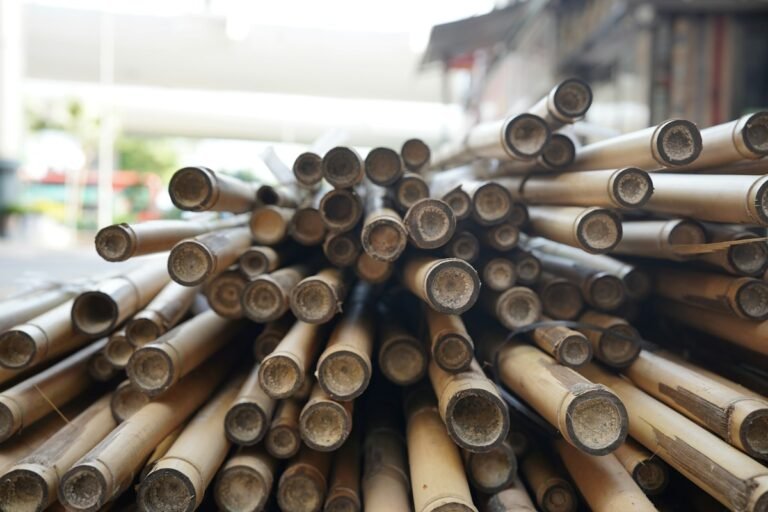
Bamboo is not a tree; it is a fast-growing grass. Certain species grow up to several centimetres a day without chemical fertilisers or intensive pesticide use. When harvested, the root network remains intact, preventing soil erosion and sequestering carbon continuously.
How Eco-Transformation Sets a Higher Standard
You can find plenty of travel cutlery online. Western retail stores often sell sets wrapped in synthetic polyester pouches, shipped across oceans, and treated with industrial varnishes. That is where our community-focused project takes a radically different route.
Aegle Sriphal focuses directly on local ecological impact across India and South Asia. Through the initiative, products are built from raw, natural materials: bamboo and jute: avoiding petrochemical processing completely.
- Compostable Utensils: Handcrafted items finished with natural, food-safe plant oils rather than synthetic chemical glazes.
- Smart Natural Carriers: Rather than synthetic cases, everyday items are paired with breathable natural textiles like jute.
- Closed-Loop Philosophy: When an item finally wears out after years of service, it can be returned directly to the soil without leaving toxic plastic micro-fragments behind.
Looking to equip your home or office team with items that reflect genuine care for nature? Explore our full collection of sustainable dining items and bamboo reusable products designed to foster everyday conscious living.
What Should Go Into the Ideal Zero-Waste Travel Kit?
If you are packing for the office, university, or weekend travel, you do not need an entire picnic basket. A streamlined kit keeps things compact:
- A Balanced Fork: Tines should be carved precisely so they can actually pierce raw vegetables and pasta.
- A Deep Soup Spoon: Many travel spoons are flat and awkward; a well-carved bamboo spoon lets you enjoy curries, broths, and yoghurts comfortably.
- A Serrated Edge Knife: Sharp enough to slice through ripe fruit, bread, and roasted vegetables without slipping.
- Bamboo Chopsticks: Clean, minimalist, and perfect for regional Asian dishes, rice bowls, and stir-fries.
- A Plant-Based Carrying Case: Keeps your clean cutlery separated from your bag’s interior, and holds used items safely until you reach a sink.
Caring for Your Bamboo Tableware: It Takes Two Minutes
One common worry people have is maintenance. Do you need to treat bamboo with kid gloves? Not at all. It is hardier than you think, provided you follow a few basic habits:
- Hand Wash with Warm Water: Use gentle dish soap and a sponge. Bamboo cleans up in seconds because grease does not adhere to cured fibres easily.
- Dry Thoroughly: Never seal damp cutlery inside an airtight container. Let it air dry on your draining rack before slipping it back into its travel pouch.
- Skip the Dishwasher: High heat cycles and soaking pools in dishwashers can cause natural bamboo to warp or splinter over time.
- Condition Occasionally: If your utensils look a little dry after months of heavy use, rub them with a drop of coconut oil or food-grade mineral oil to restore their natural sheen.
Empowering Communities and Building Environmental Literacy
Sustainability is never just about swapping one material for another. It is about shifting how societies value finite resources. While global markets produce mountains of cheap goods, local communities often bear the brunt of mismanaged waste.
By supporting initiatives centred around bamboo and jute, consumers help build local green supply chains. Aegle Sriphal pairs functional homeware and school supplies, like plantable pencils, with environmental education across regional schools, colleges, and workplaces. When a young student uses a natural pencil or carries a bamboo lunch set, sustainability stops being an abstract textbook concept and becomes a hands-on daily practice.
Choosing regional materials supports artisans, limits transport emissions, and keeps natural ecosystems healthier.
Make the Switch Today
You do not need to overhaul your entire kitchen overnight to make a noticeable difference. Change happens in the small, repeated choices: saying no to the handful of plastic forks tucked into your takeout bag, carrying your own travel set on trains, and choosing natural materials over petroleum plastics.
Pack your daily bag with intention. Choose durability, timeless simplicity, and zero-waste utility.
Discover how simple mindful living can be by picking up your own conscious home essentials and bamboo reusable products, and take your first step towards an authentic, plastic-free everyday routine.