alt: a wooden cutting board topped with kitchen utensils
title: Eco cooking tools: A wooden cutting board and utensils
Cooking greener isn’t just a trend—it’s a lifestyle shift. With single-use plastics clogging landfills and harmful chemicals sneaking into our meals, making mindful choices in the kitchen matters. Eco cooking tools pave the way for healthier plates and a happier planet. And that’s where Aegle Sriphal steps in, offering a curated range of kitchenware crafted from 100% natural bamboo and jute. Ready to swap out that T-upperware for eco-chic gear? Let’s dive in.
Why Eco-Friendly Cooking Matters
You’ve heard it before: our planet needs us. But did you know your kitchen is one of the biggest culprits of everyday waste? Think plastic cling film, non-stick pans coated with toxic chemicals, or flimsy utensils that snap after a few uses.
Here’s the good news:
– You can reduce your carbon footprint one meal at a time.
– You can protect your health by avoiding leaching toxins.
– You can support sustainable brands that give back to communities.
The Personal & Planetary Perks
Healthier Meals
– Bamboo and stainless steel don’t react with acidic foods.
– No PFOA or PFAS chemicals lurking in your frying pan.
– Clear mind. Clear conscience.Less Waste
– Biodegradable jute nets replacing plastic shopping bags.
– Reusable bamboo utensils—no more disposable cutlery.
– Plantable pencil scraps that sprout herbs once buried.Resource Conservation
– Bamboo regrows like wildfire—no deforestation drama.
– Jute needs minimal water and pesticides.
– Eco-friendly production methods that leave almost zero waste.
Must-Have Eco Cooking Tools
Let’s explore the key players in your sustainable kitchen lineup. These eco cooking tools will transform how you prep, cook and store food—one bamboo whisk at a time.
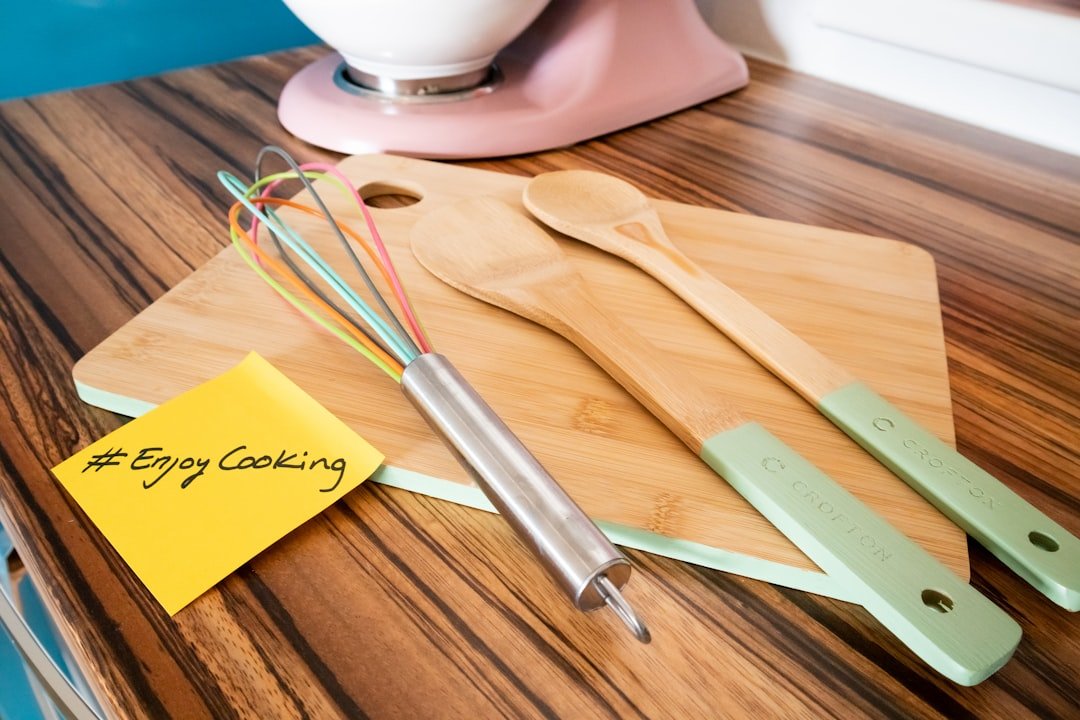
1. Bamboo Utensil Sets
- Why bamboo? It’s lightweight, antimicrobial and insanely strong.
- What you’ll love: Smooth handles, natural finish, no synthetic glues.
- Pro tip: Look for carbonised bamboo for extra durability and a rust-proof surface.
2. Sustainable Cutting Boards
- Feature spotlight: End-grain bamboo boards resist knife marks and bacteria growth.
- Why choose Aegle Sriphal’s version: Each board is sealed with plant-based oil. It’s fully food-safe and lasts for years.
- Care tip: Hand-wash only and oil periodically to prevent cracking.
3. Biodegradable Food Storage
- Swap out: Single-use plastic containers for glass jars with jute lid covers.
- Cool fact: Jute covers are washable, compostable and add a rustic charm to your pantry.
- Storage hack: Use labelled jute sleeves to organise grains, pulses and tea.
4. Bamboo Dish Drying Racks
- Benefit: Collapsible frames save countertop space.
- Material edge: Bamboo dries faster than plastic, cutting down on mould.
- Easy setup: No tools required—just unfold and let the slats do their job.
5. Jute Kitchen Linens
- Versatility: Tea towels, aprons and pot holders made entirely from undyed jute.
- Value add: Jute fibres absorb moisture quickly and resist odours.
- Eco win: Fully compostable after years of faithful service.
How to Choose the Right Eco Cooking Tools
With so many options, it’s easy to get overwhelmed. Here’s a simple rubric:
- Material Source
– Bamboo: Fast-growing, antimicrobial.
– Jute: Low water needs, compostable. - Production Footprint
– Look for certifications: FSC for bamboo, GOTS for jute.
– Ask about waste-minimising processes. - End-of-Life Plan
– Can it be composted?
– Is there a buy-back or recycling scheme?
Avoiding Greenwashing
Green labels can be confusing. Here’s what to watch for:
- Vague claims: “Eco-friendly” with no proof.
- Hidden plastics: Bamboo tools sealed in plastic packaging.
- Buzzword overload: If it sounds too good to be true, it probably is.
Aegle Sriphal ticks all the boxes: transparent sourcing, plantable packaging and strong community reviews.
Spotlight on Aegle Sriphal’s Signature Eco Cooking Tools
Bamboo Utensil Trio
- Includes: Spoon, spatula and slotted turner.
- USP: Heat-resistant up to 250°C—ideal for stir-fries and sauces.
- Packaging: Plantable seed sleeve. Bury it after use; mint will sprout!
Jute Produce & Storage Bags
- Sizes: Small (fruit), medium (veg) and large (bulk grains).
- Strength: Holds over 5 kg without stretching or tearing.
- Bonus: Printed with eco-ink; washable up to 40°C.
Collapsible Bamboo Dish Rack
- Design: Two tiers, fold-away for easy storage.
- Feature: Water drainage tray made from recycled stainless steel.
- Benefit: Keeps your countertop dry and clutter-free.
Bamboo Cutting Board Collection
- Options: End-grain chef board, paddle board and serving tray.
- Finish: Ceramic-grade, food-safe sealant.
- Longevity: With minimal care, these boards become family heirlooms.
Real-Life Green Kitchen Makeovers
Ever wondered how these tools perform in everyday life? Here are two quick stories:
Sophie’s Studio Flat
– Before: A crowded kitchen piled with mismatched plastics.
– After: A minimal set of bamboo utensils, a collapsible rack and jute bags.
– Result: 50% less single-use waste in one month.GreenLeaf Café
– Before: Plastic takeaway containers and disposable cutlery.
– After: Swapped to glass jars with jute lids and bamboo forks.
– Outcome: 30% drop in supplier costs and rave reviews on social media.
Practical Tips for Transitioning
You don’t have to replace every item overnight. Here’s a six-step plan:
- Audit your kitchen: List all plastic and non-stick items.
- Swap one at a time: Begin with utensils—then move to boards, racks and storage.
- Set a budget: Sustainable goods can cost a bit more upfront but last longer.
- Get creative: Repurpose old jars with jute covers for pantry storage.
- Share the journey: Post on social media with #MyGreenKitchen.
- Involve loved ones: Buy eco cooking tools as thoughtful gifts.
Addressing Common Concerns
Q: Aren’t bamboo tools more fragile?
A: Not if you choose carbonised, kiln-dried bamboo. Aegle Sriphal’s range is tested for everyday use.
Q: Is jute scratchy on surfaces?
A: Quality jute linens soften with washes and won’t scratch delicate cookware.
Q: What about price?
A: Yes, sustainable materials can be pricier. But consider durability, health benefits, and the planet saved. It pays off.
Final Thoughts
Switching to eco cooking tools is simpler than you think.
It’s about small swaps, lasting impact and voting with your wallet. Aegle Sriphal’s line of natural bamboo and jute kitchenware offers you high-quality, stylish, and planet-friendly options that outlast their plastic rivals. Ready to take your first step toward a greener kitchen?
Start your eco-friendly cooking journey today. 👉 Explore Aegle Sriphal’s collection