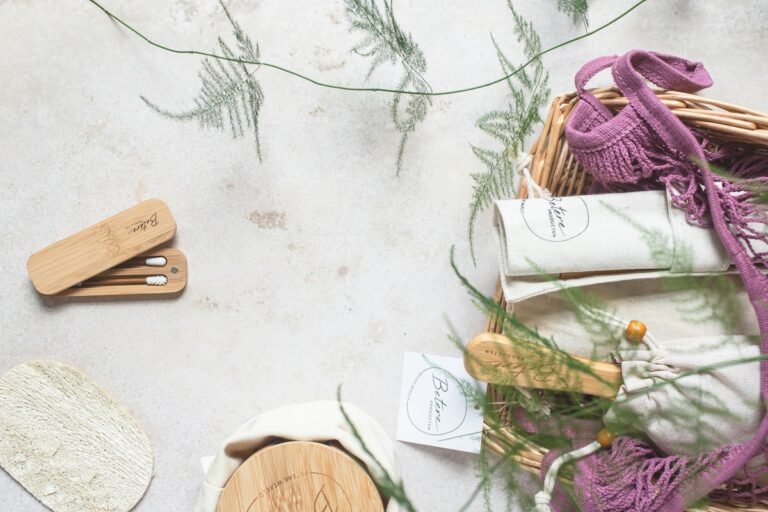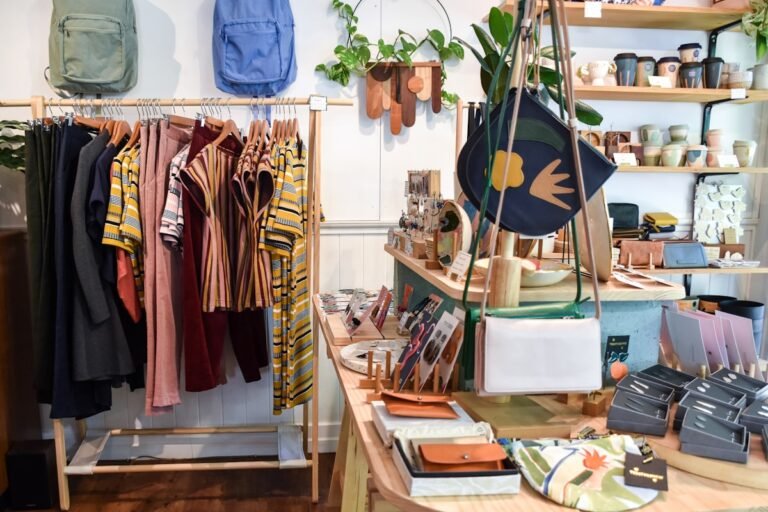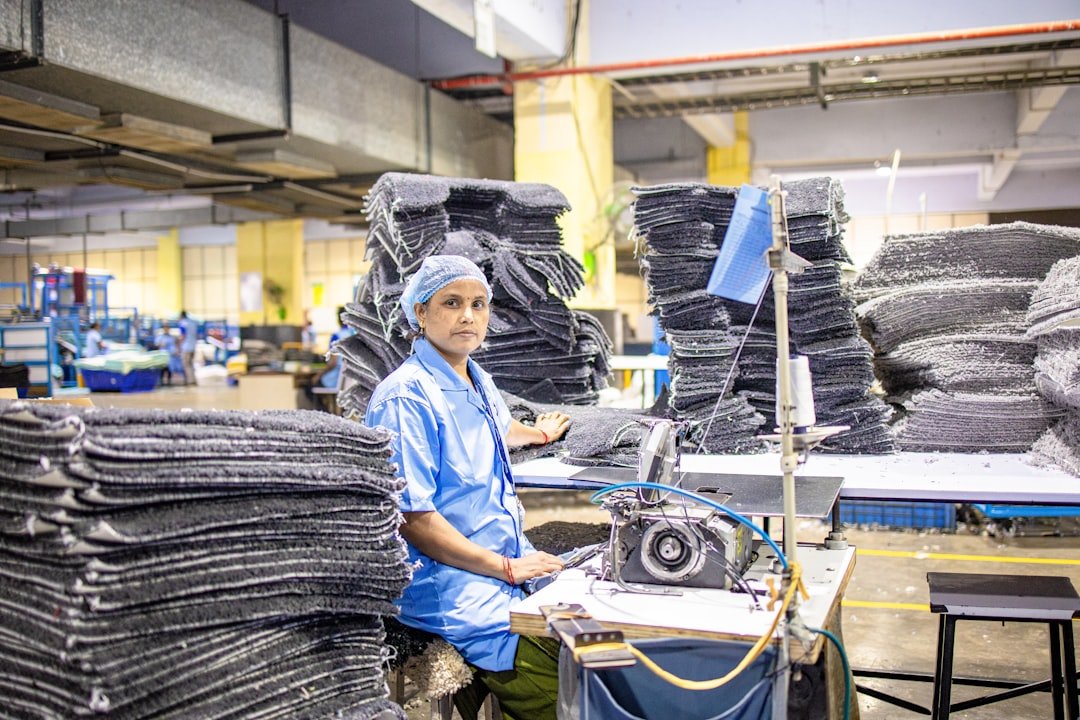
alt=”Woman working with fabrics in a factory.” title=”Factory worker processing bamboo and jute for eco fiber demand India”
SEO Meta Description:
Discover rising eco fiber demand India, with insights on bamboo and jute trends in India and Southeast Asia. Uncover growth drivers, SME tips, and Aegle Sriphal’s eco-friendly solutions.
Introduction
Southeast Asia and India are witnessing a surge in eco fiber demand India, driven by consumer awareness, favourable regulations, and cultural shifts toward sustainability. Natural fibers like bamboo and jute are no longer niche—they’re mainstream. For small to medium enterprises (SMEs) and eco-brands, this opens doors to innovative products, stronger margins, and engaged communities. In this post, we’ll:
- Outline market size and eco fiber demand India trends
- Break down bamboo and jute growth drivers
- Highlight actionable strategies for SMEs
- Showcase Aegle Sriphal’s eco-friendly offerings
Ready to tap into one of the world’s fastest-growing green sectors? Let’s dive in.
Market Overview: Bamboo, Jute & the Rise of Eco Fibers
Recent research estimates the global natural fibers market to grow at a CAGR of 7.3% through 2032, with Asia Pacific commanding over 40% share. In India alone, the eco fiber demand India market is projected to surpass USD 50 billion by 2023. Key highlights:
- India and Bangladesh lead jute production, supplying packaging, textiles, and emerging industrial uses.
- Bamboo cultivation is booming across Northeast India, Vietnam and Indonesia — used for homeware, building materials, and textiles.
- Government incentives and eco-label certifications fuel trust and adoption.
The good news? SMEs can leap in without massive capital. Whether you’re designing plantable pencils or weaving jute tote bags, opportunities abound.
Drivers of Eco Fiber Demand India
What’s pushing brands and consumers to embrace natural materials? Several factors:
Environmental Awareness
– Youthful demographics demand low-impact goods.
– Ban on single-use plastics in key states encourages alternatives like jute bags.Regulatory Support
– Subsidies for bamboo plantations and tax breaks for eco-products.
– Organic and fair-trade certifications boost credibility.Cost & Availability
– Local fibre sources reduce import costs.
– Community-based cooperatives ensure consistent jute supply.Design Innovation
– Tech advances in fibre processing yield softer, stronger materials.
– Designers pair aesthetics with function: think colourful bamboo homeware and woven jute accessories.
These drivers combine to elevate eco fiber demand India across consumer goods, textiles, and even automotive interiors.
Bamboo Trends: Beyond Poles and Flooring
Bamboo’s versatility makes it a superstar:
- Textile Applications
Soft bamboo rayon and lyocell fabrics capture high-fashion and athleisure. - Culinary & Homeware
Utensils, cutting boards, and kitchen sets crafted from Moso and Guadua species. - Construction & Composites
Engineered bamboo panels and fibre-reinforced plastics for green building.
Actionable Tip:
• Collaborate with local bamboo growers to secure eco-verified raw material.
• Invest in small-scale distillation units to produce bamboo rayon with minimal waste.
By aligning with the uptick in eco fiber demand India, brands can carve out premium niches for bamboo-based designs.
Jute Renaissance: More Than Just Sacks
Jute’s newfound appeal stems from its biodegradability and rustic charm:
- Fashion & Accessories
Jute tote bags, backpacks, and wallets are now style statements. - Home Décor
Rugs, wall hangings, and table runners with natural textures. - Industrial Uses
Geotextiles for soil erosion control, packaging for electronics, and composites for panels.
Practical Tip:
• Experiment with blends—mix jute with organic cotton for softer feel and durability.
• Launch limited-edition collections in collaboration with local artisans to tell a sustainable story.
All these innovations respond to climbing eco fiber demand India, especially in Tier 2 and Tier 3 cities.
Opportunities for SMEs & Eco-Brands
SMEs often face tight budgets. Here’s how to punch above your weight:
- Niche Messaging
Focus on one fibre—bamboo cutlery or jute accessories—to build expertise. - Community Engagement
Host workshops on planting bamboo shoots or jute craft sessions. - Plantable Products
Offer plantable pencils infused with bamboo seeds—educate kids and adults alike. - Digital Presence
Leverage SEO by optimising for “eco fiber demand India” and related queries.
Remember: authentic storytelling and transparent sourcing are your secret weapons.
Aegle Sriphal in Action: Eco-Friendly Product Showcase
At Aegle Sriphal, sustainability is more than a buzzword—it’s our blueprint. Here’s how we’re meeting the eco fiber demand India head-on:
1. Bamboo Homeware Collection
- 100% natural Moso bamboo utensils
- Minimal-waste production methods
- Innovative designs blending durability with modern aesthetics
2. Plantable Pencils & Stationery
- Seed-embedded cores for easy planting
- Educational packaging promoting reforestation
- Community outreach programs in schools
3. Artisan-Crafted Jute Bags
- Co-created with local cooperatives
- Customisable prints for corporate gifting
- Biodegradable dyes and fair-trade certifications
Why choose Aegle Sriphal?
– Eco-friendly production minimises water and chemical use.
– Plantable products drive environmental education.
– Strong community ties ensure fair wages and quality control.
Our approach directly addresses rising eco fiber demand India with products that educate, last, and look great.
How SMEs Can Tap into This Growth
Whether you’re launching an eco brand or revamping an existing line, follow these steps:
Assess Local Resources
Identify nearby bamboo groves or jute clusters. Reducing transport cuts costs and carbon footprint.Partner Strategically
Collaborate with tree-planting NGOs, artisan groups, and certification bodies.Prototype & Iterate
Test small-batch runs on marketplaces like Etsy or local craft fairs. Gather feedback before scaling.Optimize Online
– Use “eco fiber demand India” within product titles, descriptions, and blog posts.
– Publish case studies on bamboo and jute innovation.
– Offer SEO-optimised content like this guide to draw target audiences.Educate & Engage
Host live demos or virtual tours of fibre processing. Transparency fosters trust—and repeat business.
By embedding these tactics, you’ll position your SME at the forefront of natural fibre trends.
Conclusion
The landscape for bamboo and jute is evolving fast, with eco fiber demand India at the epicentre of growth. SMEs that prioritise sustainable sourcing, innovative design, and authentic storytelling will thrive. Products like Aegle Sriphal’s bamboo homeware, plantable pencils, and jute bags exemplify how eco-brands can meet consumer expectations and environmental goals.
The opportunity? Unprecedented. Consumers want natural, local, and ethical. Now’s the time to innovate, collaborate, and scale.
Ready to join the eco fiber wave?
Explore Aegle Sriphal’s full range of sustainable products and start making a difference today!