Breaking Free from Throwaway Culture: The Natural Switch
Most of us never intended to fill our bins with mountains of flimsy plastic every week. It just sort of happened. Modern convenience handed us disposable coffee cups, flimsy takeaway forks, and cheap synthetic toiletries packaged inside layers of non-recyclable film. Yet, building an authentic zero-waste lifestyle does not mean fitting three years of rubbish into a tiny glass jar or overhauling your entire routine overnight. It begins with simple, thoughtful swaps that honour the earth without sacrificing practicality. By choosing long-lasting, beautifully handcrafted Bamboo reusable products, you can replace synthetic clutter with durable goods made directly from renewable botanical fibres.
Taking your first steps away from disposable convenience feels remarkably refreshing. When you surround yourself with earthy textures like organic cotton, wild jute, and sturdy timber, your everyday rituals become deliberate and grounded. You can easily kickstart your journey toward conscious living by exploring Bamboo reusable products with Aegle Sriphal, where ethical craft meets purposeful design. As households across South Asia and beyond seek alternatives to throwaway consumerism, returning to raw, fast-growing botanicals proves that convenience and conservation can sit comfortably side by side.
Why Modern Living Demands Better Materials
Plastic was designed to last forever, yet we throw it away after five minutes of use. That simple contradiction sits at the core of our waste crisis. Every single piece of plastic ever produced still lingers somewhere on our planet, breaking down into microplastics that contaminate soil and marine ecosystems.
In contrast, natural materials provide a circular lifespan. Consider timber and plant fibres:
- They grow using natural rainfall and sunlight.
- They harvest without destroying delicate root systems.
- They degrade naturally at the end of their operational lifespan.
- They bring organic beauty into our living spaces.
Many consumers turn to digital retailers like Zero Waste Store for plastic-free personal care and kitchen essentials. While big platforms succeed in curating hundreds of third-party alternatives, they often rely heavily on international distribution hubs and complex global shipping chains. For communities across India and South Asia, local context matters deeply. Aegle Sriphal approaches this challenge from the ground up, designing goods rooted in regional materials such as indigenous bamboo, raw jute, and sustainable cork. Rather than just offering another catalogue of consumer goods, the initiative focuses on direct environmental education, working hand-in-hand with local artisans and communities to tackle regional waste challenges.
The Natural Superiority of Bamboo
Why does bamboo lead the zero-waste movement? Botanically speaking, bamboo is not a tree; it is an incredibly fast-growing grass. Certain species can shoot up by nearly a metre within twenty-four hours. It requires zero synthetic fertilisers, demands no chemical pesticides, and absorbs significant volumes of carbon dioxide while producing abundant oxygen.
When harvested correctly, the root clump stays alive in the ground, preventing soil erosion and sprouting fresh shoots season after season. If you want to understand the botanical benefits of this resilient grass, reading about the power of bamboo in everyday living reveals how its cellular density delivers unmatched durability compared to brittle plastics.
From kitchen counters to travel bags, bamboo handles daily wear with ease:
- Natural antimicrobial properties keep items fresh.
- Dense grain resists water absorption and cracking.
- Lightweight construction makes daily transport simple.
- Smooth, warm textures elevate basic routines into tactile rituals.
Simple Everyday Swaps That Eliminate Daily Waste
You do not need to replace everything in your cupboards today. The most sustainable item is the one you already own. But when plastic items crack, wear down, or expire, replace them with durable, natural solutions designed to last for years.
On-the-Go Dining and Hydration
Single-use cutlery and beverage bottles create an enormous portion of municipal landfill waste. Plastic forks snap under slight pressure, while cheap disposable bottles leach unwanted chemical compounds into warm drinks.
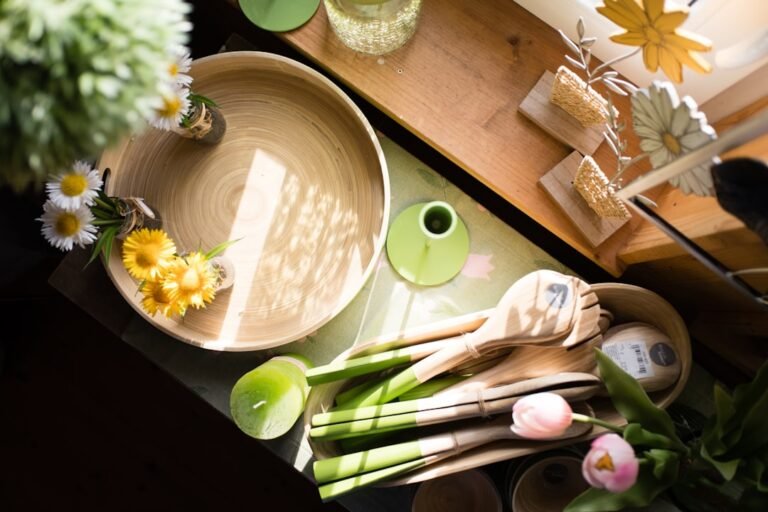
Keeping a dedicated dining kit in your work satchel or backpack makes refusing disposable plastics effortless. When heading out for lunch, you can explore reusable bamboo cutlery that provides smooth, splinter-free durability meal after meal. Pair your lunch set with a dependable vessel: you can choose a reusable bottle for your routine to maintain your drink at the perfect temperature without touching synthetic liners.
If your daily schedule includes gym sessions or quick protein shakes on the move, avoid cheap plastic shakers that absorb foul smells over time. Instead, view the bamboo thermo gym shaker to keep your beverages fresh, cold, and free from artificial odours.

Smarter Travel and Personal Care
Travel frequently tests our commitment to a zero-waste lifestyle. Hotel bathrooms remain notorious for tiny plastic bottles, disposable combs, and individually wrapped items discarded after a single night.
Organising your own travel toiletries eliminates this pointless rubbish entirely. Before packing your weekend bag, see what is inside the bamboo travel kit to ensure you carry essential grooming accessories packaged inside a durable, natural container. For your daily skincare routine, you can also choose brushes for your makeup routine crafted with ergonomic wooden handles rather than non-recyclable mouldings. Learning more about how to ditch everyday single-use plastics helps keep your personal care routine balanced and minimalist.
Halfway through your personal transition toward waste reduction, you will realise that sustainable living is not about perfection. It is about building daily habits that stick. You can always discover new low-impact lifestyle ideas by browsing the eco-transformation product initiative by Aegle Sriphal to discover practical, earth-friendly innovations.
Expanding Beyond Bamboo: Jute, Cork, and Plantable Paper
While bamboo serves as an exceptional structural material, an authentic zero-waste home benefits from combining different renewable plant resources. Traditional South Asian textiles and forestry products offer functional beauty that synthetic alternatives simply cannot match.
Sturdy Jute for Daily Errands
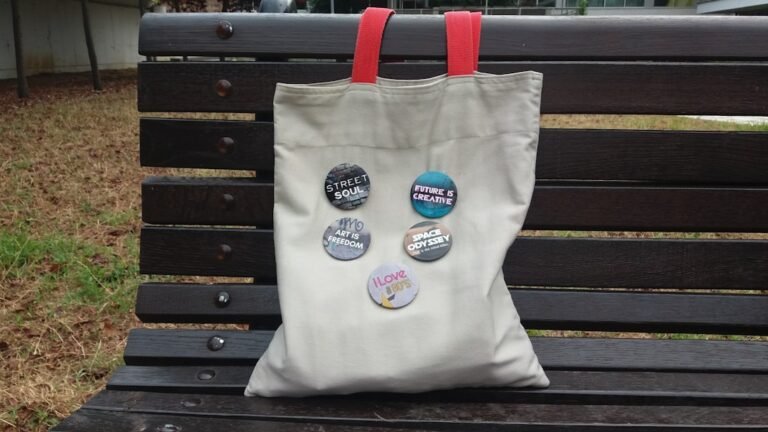
Jute, affectionately known as the “golden fibre,” requires minimal irrigation and no harsh treatments to weave into heavy-duty textiles. Plastic shopping bags tear easily and choke drainage systems, but a woven jute carrier handles heavy groceries effortlessly for years. You can view the reusable jute tote to keep a dependable, high-capacity shopping bag ready by your front door or tucked neatly inside your car boot.
Sustainable Cork for Work and Journaling
Cork harvesting does not harm trees. Harvesters peel the outer bark from the cork oak by hand every nine years, leaving the tree alive to absorb even more carbon as it regenerates its protective layer. Smooth, water-resistant, and naturally anti-microbial, cork offers a stunning alternative to toxic vinyl or polyurethane faux-leather notebook covers. Whenever inspiration strikes during study or business meetings, you can explore the cork cover journal for a tactile, planet-safe writing companion.
Stationery That Leaves Behind Life, Not Landfill
Think about how many plastic ballpoint pens end up in council refuse heaps every year. They cannot be recycled, and their synthetic inks linger indefinitely. Plantable pencils rethink this model entirely:
- The pencil body is crafted from reclaimed paper or sustainably grown cedar.
- The core uses non-toxic graphite.
- The end cap contains an encapsulated herb or vegetable seed.
- When the pencil becomes too short to hold, you plant the stub directly into moist soil.
Instead of throwing a plastic casing into the bin, you can discover the fenugreek plantable pencil and watch your spent stationery grow into fresh garden herbs. It is a fantastic tactile lesson for children, classrooms, and workplaces looking to make sustainability tangible. For further inspiration on meaningful green gifts, read our comprehensive guide on jute bags, cork notebooks and plantable pencils.
Caring for Your Natural Reusables
Natural materials age with grace, developing a rich patina as you use them. However, because they are free from synthetic plastics, they do appreciate a little straightforward care to maximise their operational life.
- Keep items dry: Never leave your wooden utensils or lunch accessories soaking in dirty washing-up water. Rinse them promptly after dining, wipe them down with a dry tea towel, and allow them to air-dry thoroughly.
- Avoid dishwashers: High water pressure and aggressive chemical detergents can dry out raw plant fibres over time. Hand-washing takes just a minute and preserves the grain.
- Condition periodically: If your wooden kitchenware or travel items begin to appear dry after several months of use, rub a few drops of organic coconut or linseed oil into the surface using a soft rag.
By treating these items with respect, a single set of bamboo cutlery or a personal thermal flask will serve you faithfully for years, keeping hundreds of single-use forks and plastic bottles out of our oceans and landfills.
Purposeful Steps Toward a Greener Tomorrow
Zero-waste living is not an exclusive club reserved for lifestyle purists. It is a collective shift in awareness. Every time you decline a plastic straw, carry your own shopping tote, or replace a synthetic household essential with biodegradable craft, you send a clear message through the supply chain.
Aegle Sriphal remains committed to making this transition practical, educational, and accessible across India and South Asia. By combining purposeful craft with renewable regional resources, we can turn away from convenience-driven waste and build a cleaner future together. Begin your low-waste transition today when you start curating purposeful living with Aegle Sriphal, choosing natural craftsmanship that supports both your daily routine and the planet.