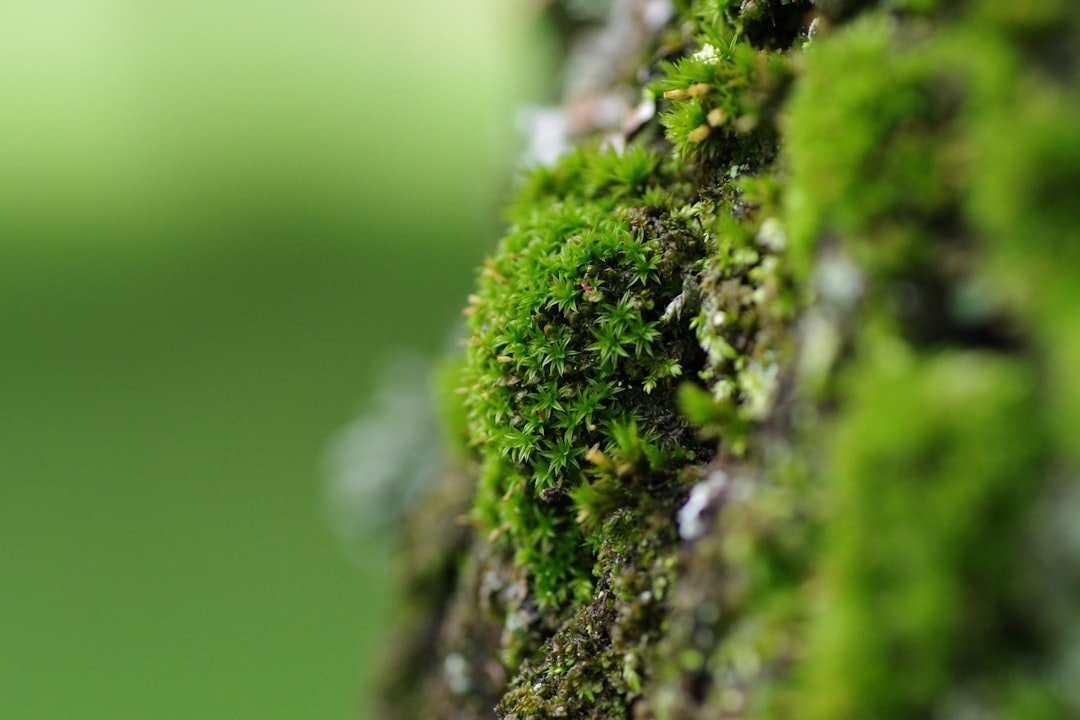
Alt: A close up of moss growing on a tree | Title: Benefits of Natural Materials: Moss Detail
Natural materials have been at the heart of human creativity for millennia. From the first fibre baskets to modern bamboo utensils, the benefits of natural materials extend far beyond aesthetics. They tell a story of renewable sources, low-carbon footprints and designs that biodegrade responsibly. In this deep dive, we’ll cover:
- The difference between natural and synthetic materials
- Popular natural fibres and their unique properties
- Practical, eco-friendly applications in home and lifestyle
- Tips to choose truly sustainable products
Let’s explore how you can bring the benefits of natural materials into your life—and how Aegle Sriphal uses these fibres to craft innovative, eco-friendly goods.
Why Natural Materials Matter
You’ve probably noticed the shift towards eco-friendly living. Plastic waste is piling up. Landfill space is shrinking. That’s where the benefits of natural materials shine:
- Low carbon emissions: Harvesting and processing natural fibres often uses less energy than making synthetics.
- Biodegradable: When a natural fibre product reaches end of life, it can return to the earth—no microplastics.
- Healthier indoor air: Natural materials don’t off-gas volatile chemicals, so your home air stays clean.
- Renewable: Plants like bamboo and jute regenerate quickly, ensuring resources aren’t depleted.
Side note: The global green products market is set to hit $300 billion by 2025, with sustainable fibres leading the way. Consumers across Europe are driving this change—and you can join them.
Natural vs Synthetic: Spotting the Difference
Natural fibres come from plants (or animals). Synthetics come from petrochemicals. Here’s how they stack up:
| Natural Fibres | Synthetic Materials | |
|---|---|---|
| Source | Plants (bamboo, jute), | Chemical compounds (polyester, |
| animal (wool, silk) | nylon, spandex) | |
| Carbon footprint | Generally low | Higher—energy-intensive to produce |
| Decomposition | Biodegradable | Can persist for centuries |
| Moisture wicking | Excellent | Variable; some need coatings |
| Durability | Strong—often improves with age | High but prone to microplastics |
The takeaway? Lean on natural fibres for most everyday items. Use synthetics sparingly—only when you need water resistance or stretch.
Popular Natural Fibres and Their Properties
Let’s dive into six natural materials that deliver benefits of natural materials and can transform your home and lifestyle.
1. Bamboo
- Growth rate: One of the fastest-growing plants on earth.
- Strength: Comparable to many hardwoods—yet lighter.
- Versatility: Used for homeware, textiles, flooring and even building.
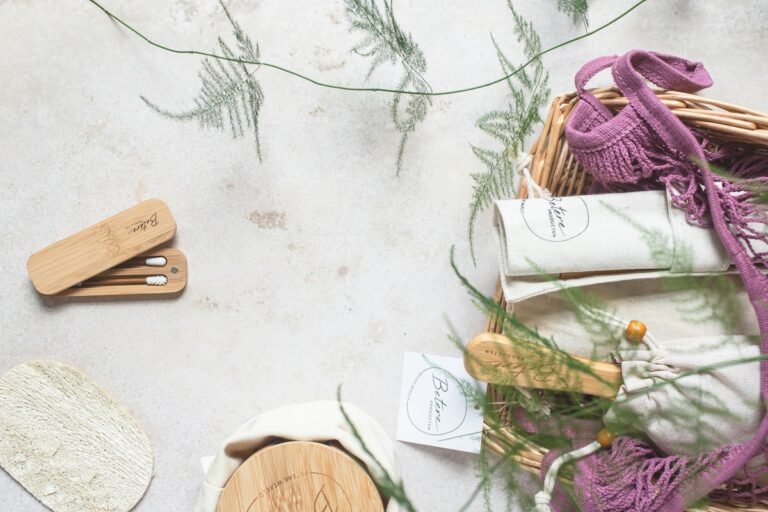
- Aegle Sriphal example: Our bamboo utensil sets and chopping boards are 100% natural, hard-wearing and dishwasher-safe. You’ll notice the elegant grain and feel the solid quality.
2. Jute
- Texture: Coarse, strong threads with rustic appeal.
- Use cases: Bags, storage baskets, rugs.
- Advantages: Affordable, biodegradable and UV-resistant.
- Aegle Sriphal example: Our jute tote bags blend durability with soft knots that give a handcrafted look. Perfect for market runs and beach days.
3. Abaca
- Origin: Also called Manila hemp but unrelated to hemp.
- Feel: Silky, fine and upscale.
- Applications: Premium wallpaper, gift wrap, artisanal textiles.
- Why it matters: Abaca’s unique lustre and tensile strength highlight the benefits of natural materials—elegance plus eco-friendliness.
4. Cotton & Linen
- Cotton: Soft, breathable and machine-washable.
- Linen: Made from flax—stronger than cotton, with a distinctive texture.
- Home use: Bedding, towels, curtains.
- Sustainability tip: Choose organic or Oeko-Tex certified fabrics to avoid pesticides and harmful dyes.
5. Sisal & Hemp
- Sisal: Harvested from the agave plant; very stiff and colour-consistent when dyed.
- Hemp: Lightweight, mildew-resistant and highly absorbent.
- Ideal for: Rugs, twine, canvas.
- Aegle Sriphal insight: Our rope baskets made from sisal come in rich, uniform colourways. They hold their shape and bring a warm, natural vibe to any shelf.
6. Arrowroot & Paperweave
- Arrowroot: One of the oldest fibres in grasscloth; requires hand-tying before weaving.
- Paperweave: Wood pulp strands dyed and woven; backed with biodegradable paper.
- Why choose it: Creates subtle textures and long-lasting finishes in wallcoverings and lampshades.
Bringing Natural Materials into Your Home
So, how do you harness the benefits of natural materials every day? Here are some actionable ideas:
Kitchen
– Swap plastic utensils for bamboo spoons and spatulas.
– Use jute placemats and table runners for a rustic look.Living Room
– Add sisal-woven baskets for storage—magazines, toys, snacks.
– Choose linen throws and cushion covers for breathable comfort.Workspace
– Upgrade your desk organiser to a jute or hemp tray.
– Use a plantable pencil from Aegle Sriphal that sprouts herbs when you’re done!Bathroom
– Hang cotton towels and store toiletries in arrowroot soap trays.
– A bamboo toothbrush holder keeps damp areas hygienic.
Tip: Rotate items seasonally. Natural fibres absorb moisture differently—giving them a rest helps them last longer.
How to Choose Authentic, Eco-Friendly Products
The market is flooded with “eco-friendly” labels. To ensure you truly reap the benefits of natural materials, look for:
- Certifications like GOTS, Oeko-Tex or FSC.
- Clear information on fibre origin and processing methods.
- Brands with transparent supply chains and ethical production practices.
- Minimal use of synthetic dyes or adhesives.
At Aegle Sriphal, every product page details our natural sourcing and eco-friendly production methods. We even use Maggie’s AutoBlog, our AI-powered platform, to generate transparent, SEO-optimised content that helps you make informed choices.
The Path to Conscious Living
The good news? Adopting natural materials doesn’t have to be daunting. You don’t need a full home renovation—small swaps add up. And as demand for sustainable goods grows (the Indian sustainable goods market alone is projected at $50 billion), brands like Aegle Sriphal are leading the way:
- 100% natural materials in every product.
- Innovative designs that blend form and function.
- Plantable products that teach eco-responsibility.
- A strong community sharing tips on conscious living.
By choosing natural fibres, you’re reducing waste, cutting carbon footprints and celebrating craftsmanship. The benefits of natural materials ripple out—into homes, communities and the planet.
Ready to Experience the Benefits?
Enjoy the warmth, style and peace of mind that come with natural fibres. Explore our full range of:
- Bamboo homeware
- Jute accessories
- Plantable pencils
- And more eco-friendly finds
…all crafted by Aegle Sriphal with care for you and the environment.
Take the next step toward a greener tomorrow.
Visit Aegle Sriphal and shop our sustainable collection today
Empower your life with the true benefits of natural materials.