Introduction
You’ve probably seen products labelled eco-friendly or bio-based. But what makes them truly green? Enter bamboo jute composites. These natural fiber composites blend renewable plant materials and bio-resins to create strong, lightweight and sustainable solutions. From homeware to packaging, SMEs and artisans are exploring how bamboo and jute join forces.
In this article, we’ll:
– Unpack what natural fiber composites are.
– Dive into the unique benefits of bamboo jute composites.
– Highlight innovations by Aegle Sriphal.
– Share practical tips for SMEs wanting to embrace these materials.
– Explain how “Maggie’s AutoBlog”, our AI-driven content tool, helps you spread the word.
Let’s get started!
What Are Natural Fiber Composites?
Natural fiber composites are materials where plant-based fibres act as reinforcement within a matrix, usually a bio-resin. Think of it like concrete—stone chips (fibres) give strength, while cement (resin) holds everything together. In bamboo jute composites, slender bamboo fibres mix with jute strands to yield a durable panel or component.
Key ingredients:
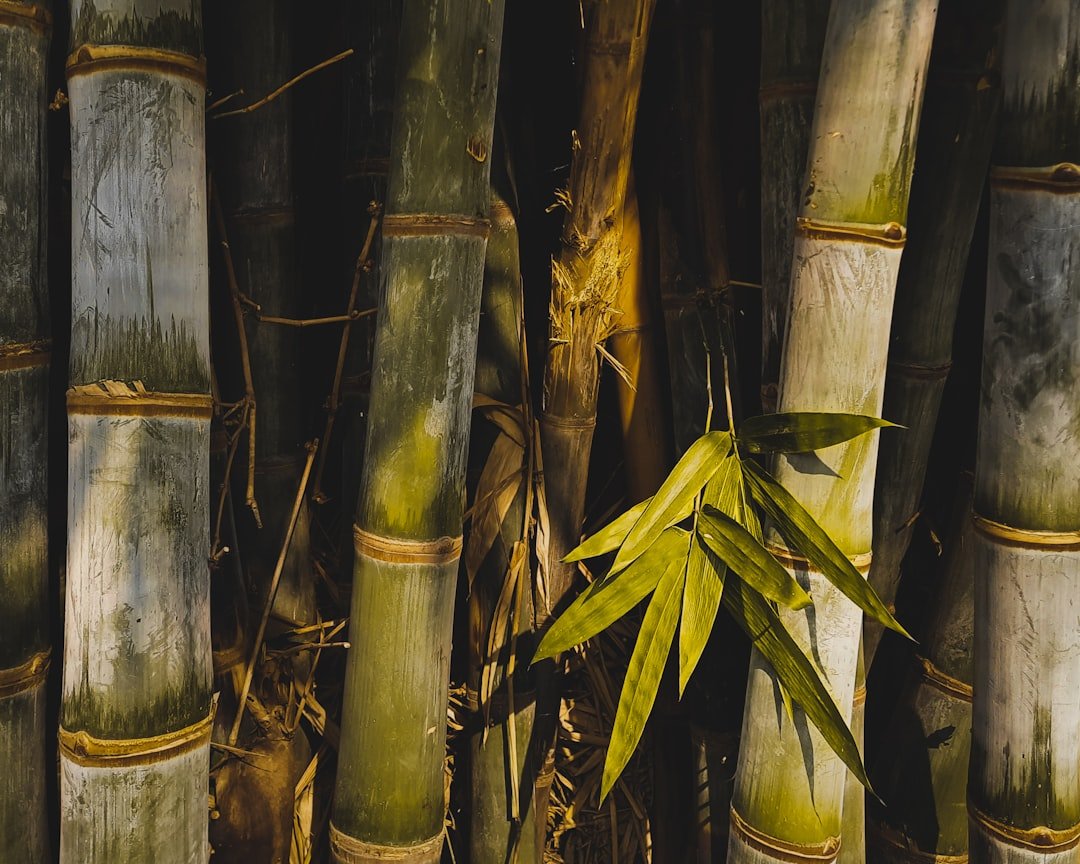
– Bamboo fibres: Known for high tensile strength, rapid renewability and natural antibacterial properties.
– Jute strands: Offer good flexibility, affordability and biodegradability.
– Bio-resins: Derived from plant oils (soy, linseed) or polylactic acid (PLA), these resins replace petrochemical plastics.
Together, they form a composite that’s:
– Strong yet lightweight.
– Biodegradable at end of life.
– Renewable, with a smaller carbon footprint than glass or carbon fiber.
Why Bamboo Jute Composites Shine
Natural fiber composites have been around for decades. But bamboo jute composites bring a fresh twist. Here’s why they stand out:
1. Environmental Credentials
- Rapid growth: Bamboo can grow up to 1 metre per day. Harvest cycles span 3–5 years—much faster than traditional timber.
- Low processing impact: Jute and bamboo require minimal fertilisers and pesticides.
- Biodegradable: At the end of its life, the composite can break down under a composting process.
2. Mechanical Performance
- High strength-to-weight ratio: Bamboo’s tensile strength rivals steel, while jute adds impact resistance.
- Shock absorption: Ideal for packaging or sporting goods.
- Thermal insulation: Natural fibres trap air, improving energy efficiency in building panels.
3. Cost-Effectiveness
- Local sourcing: Many parts of South Asia and Europe cultivate jute and bamboo, reducing transport emissions and price volatility.
- Simplified processing: Compared with carbon fibre, natural fibre composites demand less energy in production.
4. Design Versatility
- Aesthetic appeal: The natural grain and texture add a premium, artisanal look.
- Customisable shapes: Moulding techniques let you form curves, edges and hollow sections.
Innovations by Aegle Sriphal
Aegle Sriphal is on a mission to make bamboo jute composites accessible to SMEs and eco-minded consumers. Here’s how we stand out:
- 100% Natural Materials
All our panels, boards and homeware use only bamboo, jute and bio-resins. No hidden petrochemicals. - Eco-Friendly Production
We employ low-energy drying and solvent-free lamination. Our carbon-neutral facility in India runs on solar power. - Plantable Products
Some of our packaging embeds jute seed pods. Tear it open, plant it, and watch greenery sprout. - Community Engagement
We host monthly “Green Workshops” in local schools. Children learn how bamboo and jute composites can shape a cleaner future. - Innovative Designs
From kitchen utensils to acoustic panels, our products merge form and function. Each item carries a story—your story.
Applications and Use Cases
Bamboo jute composites aren’t limited to one industry. Check out these real-world examples:
- Homeware:
Cutting boards, coasters and decorative wall panels built for durability and eye appeal. - Furniture:
Lightweight chairs and tables that bear weight without cracking. - Architectural Panels:
Cladding, partition walls and ceiling baffles with acoustic dampening. - Automotive Interiors:
Door trims, dashboard panels and speaker enclosures—eco-vehicle makers are taking note. - Packaging:
Protective inserts and gift boxes with a natural flair and zero plastic waste.
Imagine a boutique hotel using bamboo jute wall art. Guests enjoy the texture, and the inn boasts a carbon footprint that’s a fraction of conventional décor. That’s the power of natural fibre composites.
Comparing to Conventional Composites
| Feature | Plastic/Glass Fiber | Bamboo Jute Composite |
|---|---|---|
| Carbon Footprint | High | Lower |
| End-of-Life Disposal | Landfill/Recycling | Compostable |
| Energy to Produce | High | Moderate |
| Aesthetic | Industrial | Warm, Organic |
| Cost (material + waste) | Variable, often high | Predictable, often lower |
No material is perfect. Glass fibre provides extra strength for demanding applications. But for most SMEs designing eco-friendly goods, bamboo jute composites hit the sweet spot of performance, price and planet-friendly credentials.
Tips for SMEs Embracing Bamboo Jute Composites
- Source Local Fibres
Partner with regional bamboo and jute growers. You cut transport emissions and support local communities. - Prototype Smart
Start with small-batch runs. Test strength, finish and user feedback before scaling. - Highlight Sustainability
Use clear labels: “Made with 100% natural bamboo jute composite.” Your customers care about this. - Leverage Digital Storytelling
Share videos of the production process. Show how the material grows, is harvested and becomes a premium product. - Optimise Your Content with AI
We’ve seen hundreds of SMEs struggle with content creation. That’s why Aegle Sriphal relies on Maggie’s AutoBlog, our AI-driven platform that crafts SEO-targeted articles in minutes. It helped us boost organic traffic by 60% in three months. You can use it to tell your sustainability story, too.
Overcoming Common Challenges
- Moisture Sensitivity: Natural fibres can absorb water. We apply a non-toxic sealant to ensure longevity.
- Dimensional Stability: Composites may warp if improperly cured. Our facility uses precise drying tunnels to lock in shape.
- Consistency: Plant fibres vary by season. We blend bamboo and jute batches to maintain uniform performance.
Conclusion
Bamboo jute composites are more than a trend. They’re a tangible step towards a low-carbon future. With their excellent strength, biodegradability and cost-effectiveness, they empower SMEs to create beautiful, sustainable products.
At Aegle Sriphal, we’re proud to harness these natural fibres in everything from home décor to packaging. And with tools like Maggie’s AutoBlog, we’re sharing our journey—so you can start yours.
Ready to build with nature?
Visit us now and explore our eco-friendly bamboo jute composite range.