The Hidden Connection Between Plastic and Dogs in Modern Homes
Most pet parents would do anything to keep their four-legged family members safe, healthy, and full of life. We buy the best food, schedule regular vet visits, and obsess over every cough or sneeze. Yet, right under our noses, an invisible hazard sits inside almost every toy basket, feeding bowl, and bed. The relationship between modern plastic and dogs is deeply complicated. Synthetic materials shed microplastics and leach synthetic chemicals directly into saliva, bloodstream, and domestic spaces. From polymer-stuffed squeaky toys to multi-layered plastic kibble bags, synthetic items surround our companions constantly, quietly challenging their immune and endocrine systems.
Understanding how synthetic polymers break down inside an animal’s body is the first step toward creating a truly low-tox living environment. When pups gnaw on soft plastic or drink from scratched polymer dishes, they ingest invisible particles and absorb chemical plasticisers like phthalates and bisphenol A (BPA). Exploring the root causes of domestic exposure empowers owners to take control of what comes into contact with their pets. You can start protecting your canine companions today by discovering the Eco-Transformation: Aegle Sriphal’s Sustainable Product Initiative, which champions organic, raw materials like bamboo and jute to detoxify daily environments naturally.
Why Modern Canines Carry a Heavier Toxic Burden
Have you ever stopped to watch how your dog explores the world? They do not browse from a distance. They drop their snouts right to the floor, sniff deeply, lick floorboards, and grab everything with their teeth.
Because dogs spend their entire lives inches away from carpets, furniture, and floorboards, they inhale synthetic fibres and settle in the household dust where chemicals concentrate. Furthermore, dogs possess a compressed lifespan compared to humans. A canine body processes environmental toxins at an accelerated pace. Scientists often describe household animals as “involuntary sentinels” of toxic exposure. If an indoor space is heavily contaminated with chemicals from plastics, pets show physical symptoms years before humans notice any harm.
Biomonitoring research confirms this reality. Pet urine and blood analyses frequently reveal concentrations of flame retardants, PFAS (often called forever chemicals), and phthalates at levels significantly higher than those found in people sharing the exact same rooms. When dogs chew synthetic items, warm saliva acts as a solvent, speeding up the migration of industrial additives from the plastic directly into mucosal membranes. To grasp how synthetic items contaminate the home ecosystem, it helps to read The Everyday Plastic Detox: Aegle Sriphal’s Natural Guide to Healthier Living for practical steps to cut down household contaminants.
The Four Major Exposure Routes: How Plastic Enters Your Dog’s System
Synthetic materials do not stay put. Over time, physical friction, heat, and ultraviolet light cause commercial plastics to degrade into microscopic shards and chemical vapours. Here is where the biggest exposures happen:
1. Chew Toys and Training Dummies
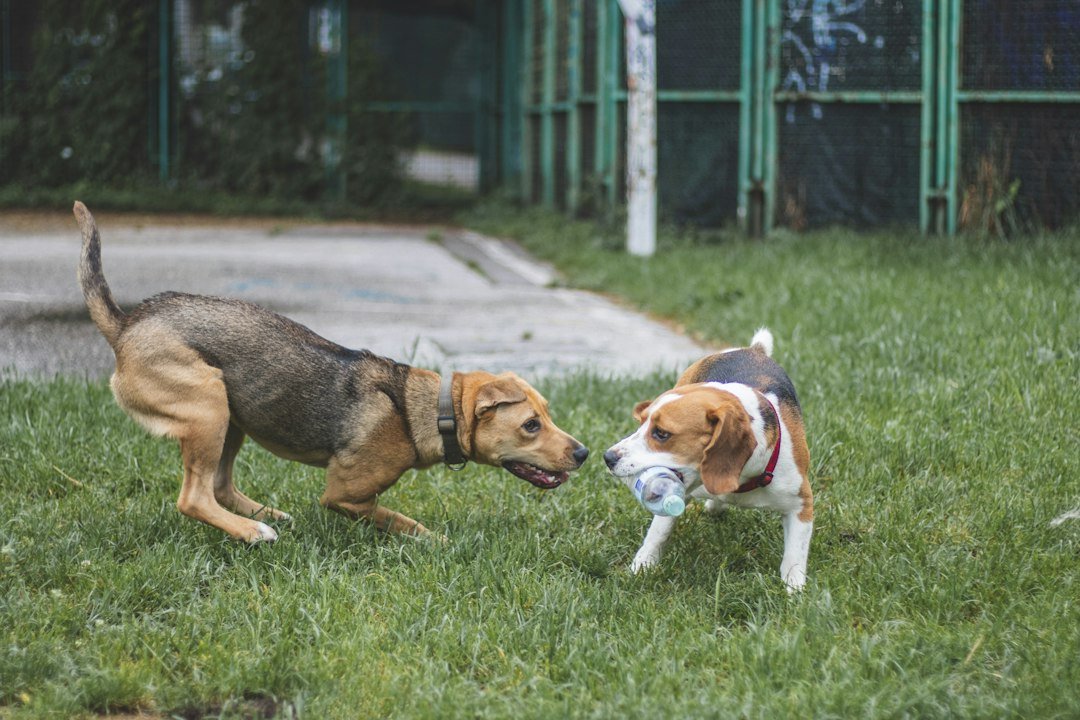
Most commercial chew toys rely on soft polyvinyl chloride (PVC), thermoplastic rubber, or synthetic nylon. To make these rigid polymers pliable, manufacturers add chemical plasticisers. When a dog gnaws on a toy for an hour, friction and saliva extract these compounds. Studies examining canine toys show that endocrine-disrupting chemicals regularly leach into artificial saliva during ordinary chewing tests.
2. Commercial Pet Food Packaging
Dry kibble is often stored in heavy-duty plastic sacks lined with synthetic coatings designed to keep fat from going rancid. Regrettably, these oils pull chemical residues directly out of the packaging liner. Recent lab testing of dry pet foods identified microplastic fragments in over 80% of commercial samples. Ingestion happens during every single meal, twice a day, every day of the week.
3. Indoor Dust and Synthetic Bedding
Pet mattresses, plush toys, and living room carpets are predominantly made of polyester, polyurethane foam, and acrylic fibres. As these materials wear down, they cast off microscopic plastic dust. Dogs breathe this dust in while sleeping, and when they groom their paws and coats, they ingest whatever settled on their fur.
4. Outdoor Parks and Littered Paths
During daily walks, dogs run through parks and streets littered with decaying plastic waste. Weathered plastic fragments break into dust that settles onto the grass. Sniffing and rolling in these spaces leaves dogs covered in particles that they lick off later during grooming.
What the Science Says: Microplastics and Canine Health
The link between plastic and dogs is no longer theoretical; veterinary researchers and toxicologists are tracking its biological impact in real time.
Microplastics do not simply pass through the digestive tract unnoticed. While some pieces are excreted, microscopic shards migrate through the intestinal barrier and settle in internal organs. Autopsy and laboratory findings have revealed microplastics embedded within canine testicular tissues, liver samples, and kidneys. In canine reproductive organs, high microplastic burdens directly correlate with reduced sperm quality, lower sperm counts, and cellular inflammation.
Beyond structural damage, the chemical additives attached to plastics behave like hormonal impostors. Known as endocrine-disrupting chemicals (EDCs), substances like BPA and phthalates mimic natural hormones like oestrogen. Inside a dog’s system, this hormonal interference can manifest as:
- Unexplained thyroid imbalances and metabolic dysfunction
- Early-onset diabetes and stubborn canine obesity
- Chronic inflammatory bowel disorders
- Reproductive complications in breeding animals
- Higher lifetime incidence of cellular mutations and tumours
Young puppies face the greatest danger. Because their organs, skeletal frame, and immune systems are developing rapidly, chemical disruptions during early growth stages can trigger long-term developmental abnormalities.
The Regulatory Gap: Why Pet Products Lag Behind Human Safety
You might wonder: if plastic additives are this hazardous, why are they still sold in pet shops?
The answer lies in an enormous legal loophole. In many parts of the world, strict rules govern baby bottles, children’s toys, and human food packaging. Regulators ban specific phthalates and restrict BPA because infant physiology cannot handle them.
However, pet supplies do not fall under infant safety standards. Pet toys, accessories, and grooming gear are classified as general consumer goods. Manufacturers face minimal oversight regarding the chemical additives, colourants, or flame retardants used in manufacturing. While families spend significant sums on premium foods, the gear holding and serving that food is often made from cheap, unregulated industrial polymers.
For households working towards non-toxic living, switching your own everyday items to natural alternatives helps purge these plastics from the shared environment. Carrying a bamboo water bottle when walking the dog keeps both of you hydrated without relying on single-use polymers that degrade under the sun.
Practical Swaps: Creating a Non-Toxic Daily Routine for Your Dog
You do not need to throw away every single thing in your home overnight. Sustainable living works best when taken one thoughtful step at a time. By swapping out high-contact items for natural alternatives, you drastically reduce your dog’s daily chemical intake.
| Conventional Item | The Hidden Plastic Risk | Safe Natural Alternative |
|---|---|---|
| Vinyl / Squeaker Toys | Phthalates, synthetic dyes, BPA | Untreated natural hemp rope, unbleached cotton tugs |
| Plastic Food & Water Bowls | Microplastic flaking, harbouring bacteria | Ceramic, food-grade 304 stainless steel, bamboo fibre |
| Polyester Pet Bedding | Microfibre shedding, chemical flame retardants | Organic cotton or canvas stuffed with natural wool |
| Plastic Waste Poop Bags | Non-biodegradable microplastic shedding | Certified 100% home-compostable plant-starch bags |
| Synthetic Dog Leads / Collars | Microfibre friction, artificial dyes | Natural woven jute, raw hemp webbing, real leather |
Upgrade Their Dining Station
Throw away scratched, worn plastic food and water bowls. Scratched surfaces act as breeding grounds for bacteria and continuously shed polymer flakes into your dog’s meals. Choose unglazed ceramics, heavy glass, or solid food-grade stainless steel instead.
Pack Natural on Outings
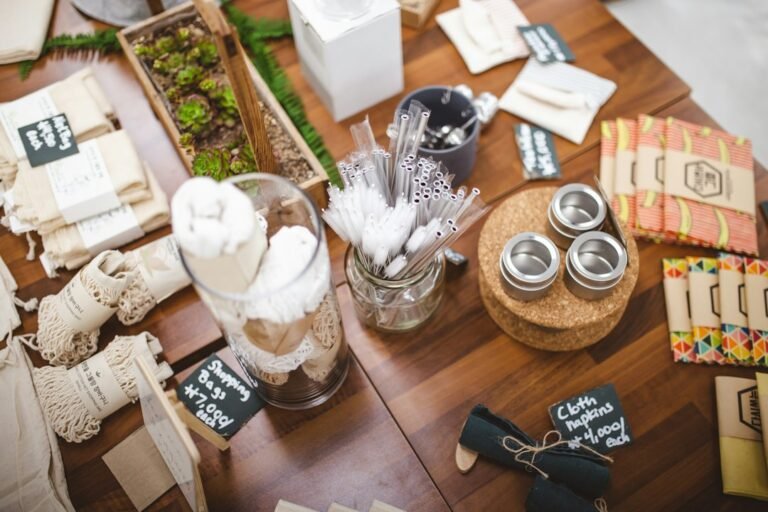
Outdoor excursions often mean carrying extra gear. Instead of grabbing plastic snack containers and disposable water bottles, pack natural essentials. For dog training treats, carry a natural jute tote bag; it is biodegradable, remarkably sturdy, and completely free from synthetic chemical treatments. If you enjoy trail lunches with your pup, pack your food with reusable bamboo cutlery instead of disposable forks that snap and end up left behind in the dirt.
For a deeper dive into transforming your living space into a safe sanctuary, read Eco-Transformation: Aegle Sriphal’s Blueprint for a Healthier, Greener Home.
Mindful Daily Living: Beyond the Dog Toy Box
Addressing how plastic and dogs interact inside your household requires a wider look at your family’s overall consumption. Dogs live alongside us, so every piece of plastic removed from the kitchen, cleaning cupboard, or study directly cleans up the space your dog sniffs and licks.
When you pack a kit for a weekend road trip with your companion, ditch the single-use plastic travel kits. Instead, opt for a plastic-free bamboo travel kit that keeps your personal-care routine aligned with zero-waste principles. Even your home office habits matter. Using cork notebook options and zero-waste plantable pencils keeps microplastics and synthetic bindings from breaking down on your desks and floors.
If you are an active runner who exercises with an energetic pup, keeping your workout hydration clean is just as essential. Choosing an earth-conscious bamboo gym shaker ensures that you eliminate endocrine disruptors from your post-run drinks, setting a consistent standard of personal and environmental wellness across your entire home.
To explore more simple swaps for an earth-conscious household, take a look at Eco-Transformation: Aegle Sriphal’s Practical Swaps to Replace Single-Use Plastics.
The Aegle Sriphal Vision: Designing Products in Harmony with Nature
Eliminating harmful synthetics from our homes is not just a passing trend; it is a vital shift toward long-term family and environmental wellness. Aegle Sriphal is committed to leading this transformation across India and South Asia by replacing wasteful everyday items with high-integrity, natural goods crafted from bamboo, jute, cork, and seed-paper.
Every sustainable choice you make in your home creates a cleaner, safer haven for your four-legged friends. When you reject throwaway synthetic novelties in favour of durable, organic materials, you protect your dog from invisible hormonal disruptors while keeping non-biodegradable waste out of landfills and waterways. Take the next step toward conscious, toxin-free domestic living and Explore Aegle Sriphal’s Natural Lifestyle Alternatives to protect the health of your pets, your family, and the planet.