Why Sustainable Kitchen Design Matters
- Reduces waste: Natural, renewable materials break down easily.
- Improves air quality: Low-VOC finishes keep indoor air clean.
- Cuts carbon footprint: Local, responsibly sourced wood and fibres limit transport emissions.
- Supports conscious living: Every eco choice sends a message.
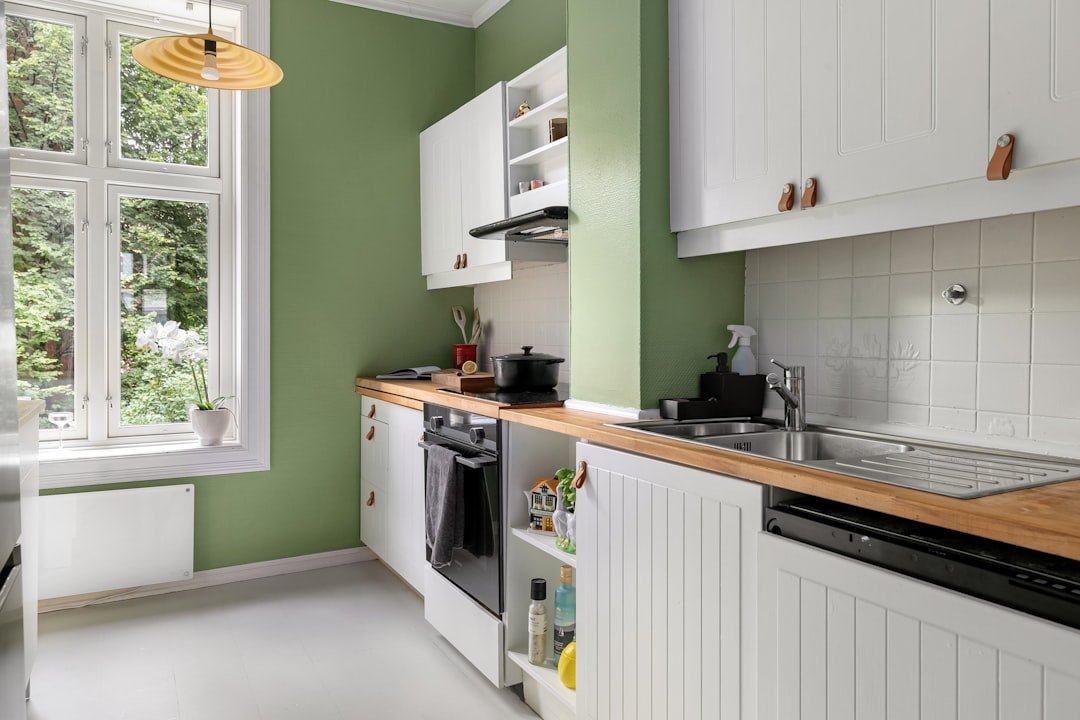
Whether you’re a homeowner or an SME designing kitchens for clients in Europe, these strategies help you nail a truly sustainable kitchen design.
Comparing Two Approaches: Deslaurier vs Aegle Sriphal
| Feature | Deslaurier Custom Cabinets | Aegle Sriphal Eco Range |
|---|---|---|
| Cabinet Core | NuGreen particleboard (100% pre-consumer wood fibres) | 100% natural bamboo panels with FSC certification |
| Cabinet Finish | Water-based paints and low-VOC stains | Plant-based oils and natural waxes |
| Accessory Range | Limited to cabinetry and countertops | Jute baskets, mats, utensil sets, bamboo cutting boards |
| Production Footprint | Certified carbon-neutral countertops (Dekton line) | Eco-friendly methods from farm to factory |
| Community Education | Design tips via blog and showroom | Plantable products, workshops, sustainability guides |
Bamboo Cabinet Solutions
Deslaurier’s Approach
- Uses bamboo cabinetry as an alternative to hardwood.
- Offers NuGreen particleboard certified by FSC and Eco-Certified Composite.
- Pros: Durable, paint-ready surfaces.
- Cons: Relies on formaldehyde-free resins; may lack the raw feel of solid bamboo.
Aegle Sriphal’s Bamboo Homeware
- 100% natural bamboo, cut and cured with minimal processing.
- Products include:
- Bamboo utensil sets
- Cutting boards and serving platters
- Salad bowls and storage racks
- Strengths:
- Rapidly renewable grass, harvested in cycles as short as 3–5 years.
- Zero added chemicals in curing and finishing.
- Plantable pencils bundled with bamboo kitchen gifts for dual purpose (write recipes, then plant!).
“Bamboo’s hardness rivals oak, but it grows like grass.”
— Your Friendly Kitchen Designer
Jute Accessories & Storage
Deslaurier’s standard kitchens focus on hard materials. Jute? Not so much. That’s where Aegle Sriphal steps in.
- Jute Baskets: Ideal for produce storage, bread bins, recycling bins.
- Jute Placemats & Coasters: Heat-resistant, moisture-wicking, and machine-washable.
- Jute Pot Holders & Mats: Durable, naturally anti-microbial, perfect for hot pans.
Why jute?
– Grows in marginal soils without fertiliser.
– Fully biodegradable at end of life.
– No water-intensive processing.
Finishes & Environmental Impact
Water-Based vs Plant-Based
Deslaurier champions water-based paints that cut VOCs dramatically. Aegle Sriphal takes it further:
- Natural waxes and oils on bamboo reduce microplastics.
- Soy-based dyes for jute yield vibrant colours without heavy metals.
- Handcrafted finishes ensure a smaller carbon footprint than factory spray booths.
Beyond Materials: Community & Education
A kitchen is more than surfaces and cabinets. It’s a classroom, a gathering spot, a daily ritual. Aegle Sriphal invests in:
- Plantable Pencils: Learn about growth cycles while jotting down your favourite meals.
- Sustainability Workshops: Partner with schools, NGOs, and local guilds.
- Online Guides: Step-by-step tutorials on caring for bamboo and jute.
- Eco Community: Share photos, tips, recipes on social channels.
Deslaurier offers design consultations, but Aegle Sriphal delivers an ongoing, hands-on journey toward sustainable kitchen design.
Practical Tips for a Sustainable Kitchen Design
Start with Cabinets
– Choose solid bamboo panels or FSC-certified woods.
– Avoid particleboard mixed with petroleum-based glues.Layer in Jute Textiles
– Swap synthetic tea towels for jute kitchen cloths.
– Use jute baskets instead of plastic bins.Opt for Solid Wood & Bamboo Accessories
– Cutting boards, spoons, and salad tongs last for years.
– Look for natural finishes—no sealants that off-gas.Mind Your Countertops
– If you prefer hard surfaces, seek carbon-neutral quartz or recycled glass.
– For a warmer feel, butcher-block bamboo is a great choice.Embrace Energy-Efficient Appliances
– Look for the EU energy label A+++.
– Smaller fridges, induction cooktops, and dishwashers cut power use.Recycle & Compost
– Include a jute-lined bin for organic waste.
– Compost scraps to enrich your garden.
How to Choose the Right Materials
- Durability: Bamboo’s hardness resists dents. Jute weaves stand up to daily wear.
- Maintenance: Oil bamboo monthly. Wash jute textiles on gentle cycles.
- Life Cycle: Seek cradle-to-cradle certifications.
- Aesthetics: Natural textures add warmth. Mix raw fibres with sleek metals.
Bringing It All Together
You now have a clear side-by-side view:
- Deslaurier brings solid engineering and low-VOC finishes.
- Aegle Sriphal offers 100% natural bamboo, jute accessories, and a community-driven ethos.
Your kitchen can be both beautiful and planet-friendly. You can blend solid bamboo cabinets, jute baskets, and energy-wise appliances to nail that sustainable kitchen design you’ve dreamed of.
Ready to upgrade? Dive into Aegle Sriphal’s curated collection of 100% natural bamboo and jute kitchenware. Plant seeds for a greener tomorrow—one utensil at a time.
Explore our full range at https://aeglesriphal.com/ and start your sustainable kitchen journey today!