The Rise of Zero Waste Cups and Why They Matter
Plastic waste is piling up in oceans, landfills and on city streets. If we stay on this path, our children will inherit a planet swamped with disposable junk. That’s where zero waste cups come in.
- Designed to reduce single-use waste
- Made from materials that are reusable, compostable, or recyclable
- Encourage mindful habits—sip, rinse, repeat
Whether you’re at your neighbourhood café or on a cross-country train, having a reliable, eco-friendly cup makes a difference. But not all reusable drinkware is created equal.
Collapsible Cups: Portable but Plastic-Based
Stojo burst onto the scene in 2015 with a bold mission: end disposable culture—one collapsible cup at a time. Ranked #245 on the Inc. 500 list, the Brooklyn brand proved that sustainability resonates.
Strengths of collapsible drinkware:
– Ultra-portable and leak-proof
– Slick, modern design
– BPA-free silicone and plastic for safety
– A range of sizes (8oz to 24oz)
Yet, despite these perks, many users spot drawbacks:
– Material: Plastic and silicone still rely on fossil-fuel feedstocks.
– Heat retention: Thin walls can cool hot drinks fast.
– Cleaning: Mould can hide in folds.
– Lifespan: Creases may weaken over time.
So yes, collapsible cups are convenient. But do they fully align with a zero-waste ethos?
Bamboo Drinkware: A Natural Alternative
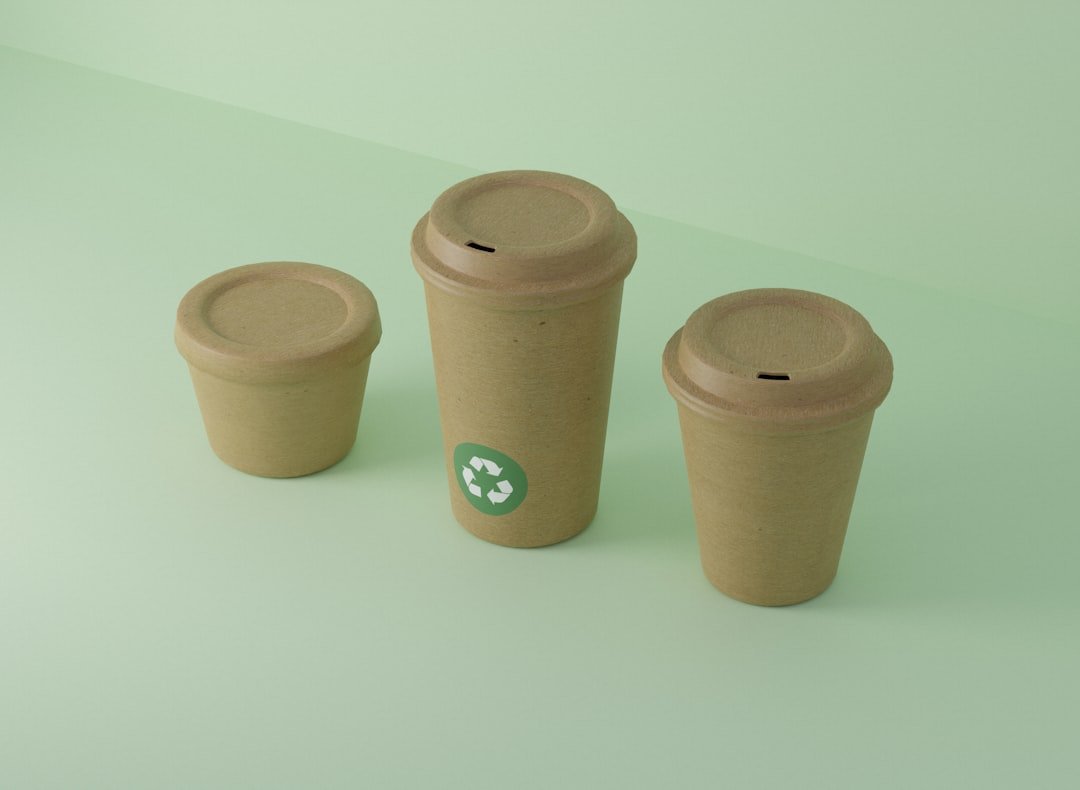
Enter Aegle Sriphal’s Bamboo Drinkware—an answer to the limitations of plastic designs. Crafted from 100% natural bamboo fibres, these cups blend function and sustainability.
Key benefits of bamboo drinkware:
– Renewable source: Bamboo grows to maturity in 3–5 years.
– Biodegradable: At end of life, it gives back to the earth.
– Thermal insulation: Keeps your coffee hot and your iced tea cold.
– Anti-bacterial properties: Bamboo naturally resists microbes.
– Aesthetic appeal: Organic texture and warm hues.
Plus, Aegle Sriphal uses eco-friendly production methods—no harsh chemicals, no toxins. Every cup is a statement: we care about our planet.
Side-by-Side Comparison: Collapsible vs. Bamboo Drinkware
Material & Sustainability
- Collapsible cups: Silicone and plastic
- Bamboo drinkware: 100% natural bamboo
- Winner: Bamboo drinkware for renewability and compostability
Durability & Maintenance
- Collapsible cups: Prone to wear at hinge points; tricky to clean
- Bamboo drinkware: Hand-wash only, but no hidden folds; long-lasting finish
- Winner: Tie—both built to last when cared for properly
Portability & Design
- Collapsible cups: Fold flat, stow in pocket
- Bamboo drinkware: Slightly bulkier, but lighter than glass
- Winner: Depends on use—choose collapsible for ultimate packability; pick bamboo for daily desk use
End of Life & Footprint
- Collapsible cups: Hard to recycle, may sit in landfill for centuries
- Bamboo drinkware: Home-compostable; returns nutrients to soil
- Winner: Bamboo drinkware for true zero waste impact
Case Studies: Real-World Impact
Stojo’s success proves that consumers vote with their wallets. By 2020, they’d scaled from a single cup to an entire line, boasting a 1,802% three-year growth rate. They sparked conversations about single-use habits—and that’s huge.
Meanwhile, Aegle Sriphal isn’t just selling cups. They’re forging partnerships:
– Collaborations with cafes to replace paper cups
– Corporate gifts for SMEs promoting eco-friendly branding
– School workshops teaching students about sustainable materials
– Plantable packaging seeds environmental education in every order
One UK café reported a 20% drop in takeaway cup waste after switching to Aegle’s bamboo drinkware. Staff loved the natural look. Customers felt proud to sip sustainably.
How to Choose the Right Zero Waste Cup for You
Shopping for zero waste cups can feel overwhelming. Here’s a quick checklist:
- Material matters. Bamboo, stainless steel or glass—pick what fits your lifestyle.
- Usage scenario. Daily coffee runs? Grab a sturdy bamboo mug. Frequent travelling? Consider a slim collapsible design.
- Care requirements. Bamboo cups need gentle hand-washing; silicone cups go in the dishwasher.
- End-of-life plan. Seek materials you can compost or that your local recycling stream accepts.
- Brand values. Support companies with transparent supply chains and eco-friendly methods.
For a blend of everyday practicality and genuine zero waste impact, Aegle Sriphal’s Bamboo Drinkware ticks all the right boxes.
Practical Tips to Care for Your Bamboo Drinkware
Keep your bamboo cups in top shape with simple steps:
– Rinse promptly after each use.
– Hand-wash with mild soap; avoid soaking.
– Air-dry in a well-ventilated area.
– Re-oil occasionally with food-grade oil to prevent cracking.
– Store away from direct heat or sunlight.
The good news? A little care goes a long way. Your bamboo cup will age gracefully, building character with each use.
Join the Movement: Embrace Zero Waste Cups Today
Zero waste living isn’t about perfection. It’s about progress. Switching from disposable coffee cups to sustainable alternatives makes an impact—one sip at a time.
Why choose bamboo drinkware from Aegle Sriphal?
– It’s 100% natural, eco-friendly, and beautifully designed.
– Durable enough for daily use, yet compostable at end of life.
– Backed by a brand that educates communities and champions green living.
Your next step? Explore our Bamboo Drinkware Collection and make an eco-conscious choice that outshines traditional collapsible alternatives. Let’s reduce waste, one cup at a time.
Ready to sip sustainably?
Discover Bamboo Drinkware →