The Truth About Your Daily Hydration: Bamboo or Plastic?
If you want a quick, straight answer: switching to a bamboo water bottle gives you a robust, durable, and naturally insulated drink container, but you must know what lies beneath the surface. Many shoppers assume a natural exterior means the entire vessel is carved from a solid stalk of grass. In reality, functional bottles pair an organic bamboo outer casing with an internal food-grade liner, such as stainless steel or glass, to ensure hygiene and structural integrity. Plastic bottles, by contrast, are featherlight and cheap upfront, yet they degrade over time, absorb lingering beverage smells, and contribute heavily to environmental clutter across South Asia and beyond.
Choosing the right reusable bottle requires looking past marketing buzzwords and examining the actual engineering of the item. You need to inspect the inner liner material, the seal construction inside the lid, the insulation type, total carry weight, and daily washing requirements. If you are ready to ditch throwaway packaging for a durable daily companion, Eco-Transformation: Aegle Sriphal’s Sustainable Product Initiative offers thoughtfully crafted lifestyle alternatives designed for mindful everyday use. Making an informed choice means understanding exactly how these two materials compare under real-world conditions.
What Is Really Inside a Bamboo Water Bottle?
There is a common misconception that buying a bamboo bottle means you drink directly from raw timber. While primitive bamboo cups exist, a modern reusable bottle uses natural bamboo primarily as an exterior shell. Bamboo is a fast-growing, renewable grass that offers natural aesthetic appeal and tactile grip, making it a fantastic material for outerwear.
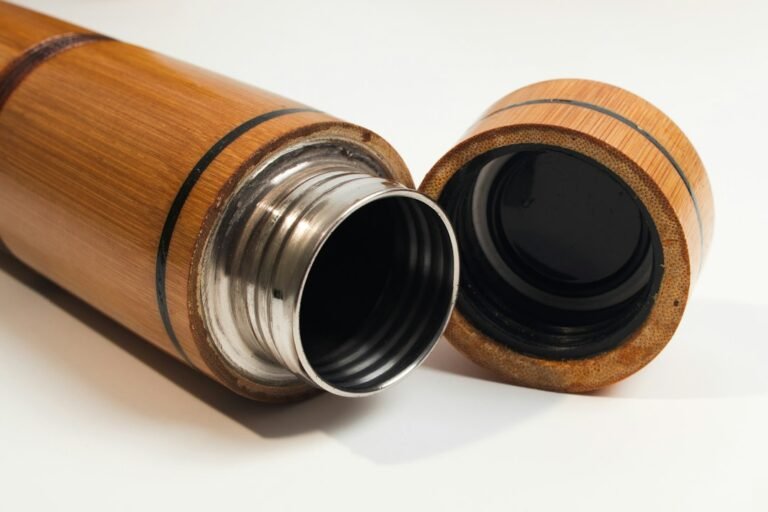
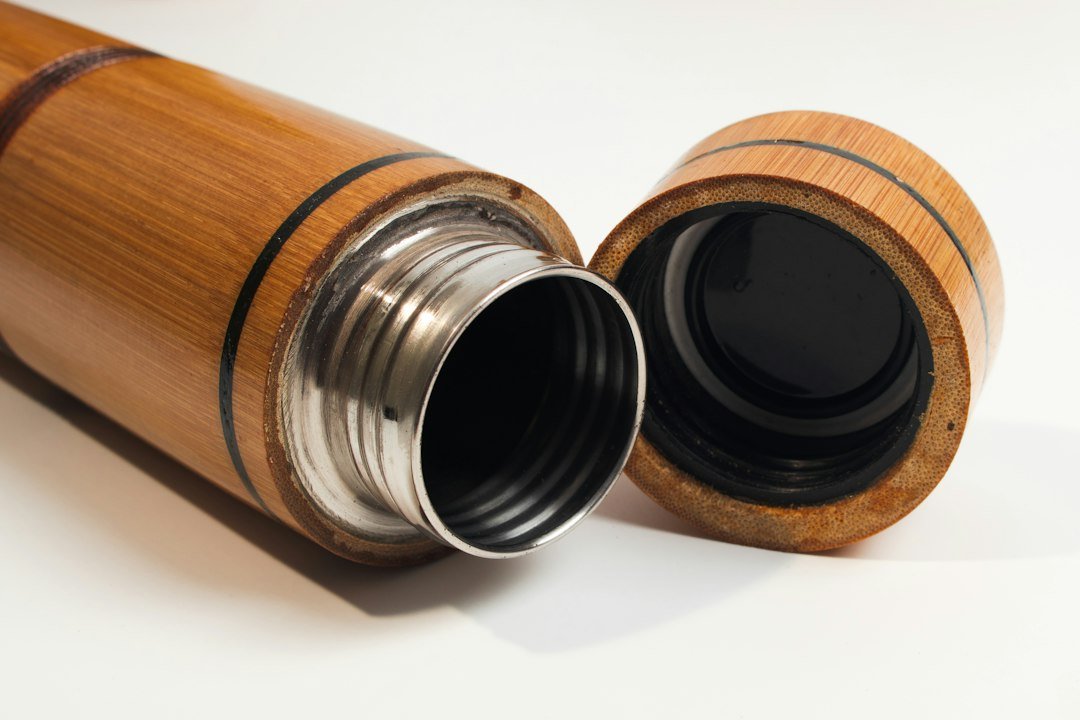
However, water needs a non-porous, inert barrier. That is why high-quality versions feature an interior chamber constructed from food-grade 304 (18/8) stainless steel or borosilicate glass. The bamboo provides an outer protective layer and natural surface insulation, while the internal metal or glass liner holds your beverage securely.
When you evaluate a bamboo vessel, check the manufacturing details:
- Liner Construction: Is the inner core seamless food-grade stainless steel? A continuous metal wall prevents beverage leakage into the bamboo sheath.
- Outer Shell Treatment: The exterior bamboo should be smoothly sanded and treated with natural oils or water-resistant plant finishes rather than thick synthetic lacquers.
- Bonding Integrity: Look for clean joins where the metal neck meets the wooden outer sleeve to prevent moisture trapping during washing.
If you enjoy staying active, you might also want to Explore the Bamboo Gym Shaker for protein shakes and hydration at the fitness centre.
Plastic Water Bottles: The Hidden Everyday Costs
Single-use PET bottles and cheap reusable polycarbonate containers remain common because they are inexpensive to produce and exceptionally light. You can toss a plastic bottle into a rucksack without worrying about adding extra grams. Yet, practical drawbacks quickly emerge with daily use.
First, plastics scratch easily. The moment the internal plastic surface gets scuffed by bottle brushes or ice cubes, microscopic crevices form. These tiny grooves harbour residual flavours, meaning yesterday’s electrolyte drink or spiced tea will taint today’s plain water.
Second, plastic lacks thermal performance. In warm climates, water inside a standard plastic bottle quickly matches ambient temperatures, leaving you with lukewarm sips during midday commutes. Over prolonged periods, continuous exposure to heat and UV light weakens budget plastics, causing them to crack, cloud over, or deform.
For those keen on reducing everyday waste, pairing your hydration switch with other mindful habits helps. You can read more about reusable everyday essentials in India: bamboo cutlery, bottles and plantable pencils to see how small swaps add up.
Side-by-Side Comparison: Bamboo vs Plastic
To make the right investment for your routine, here is a breakdown of how a composite stainless-steel and bamboo water bottle stacks up against everyday reusable plastic:
| Feature | Bamboo Flask (Steel Core) | Standard Reusable Plastic |
|---|---|---|
| Primary Liner | Food-grade 304 Stainless Steel | Polypropylene, Tritan, or Polycarbonate |
| Thermal Insulation | Double-wall vacuum keeps drinks hot/cold for hours | None; matches ambient temperature rapidly |
| Weight | Moderate (sturdy core plus bamboo casing) | Very lightweight |
| Odour Retention | Non-porous interior resists stains and lingering smells | Prone to absorbing flavours over repeated use |
| Cleaning Method | Hand-wash only; keep outer bamboo dry | Typically top-rack dishwasher-safe |
| Lifespan | Multi-year durability when maintained properly | Often replaced after clouding or scratching (6–18 months) |
| Aesthetic & Grip | Natural wood grain, smooth organic feel | Industrial, smooth, prone to scuff marks |
What to Check Before Buying: A Practical Buyer Checklist
Before you add a flask to your cart, work through this practical checklist to ensure you receive a durable, high-performing product.
1. The Lid Mechanism and Inner Seal
Never assume a natural bottle has zero synthetic parts. To prevent your bag from flooding, lids rely on a flexible gasket. High-end bamboo flasks use food-grade silicone rings nested inside a stainless-steel screw cap, capped with a neat bamboo disc on top.
Ensure the silicone gasket is removable so you can wash out trapped moisture. If the threading is made of raw bamboo, avoid it; precision screw threads require machined steel or durable polymer inserts to achieve an airtight, leakproof seal.
2. Insulation Capabilities
Does the manufacturer clearly specify vacuum insulation? An insulated bamboo water bottle features double-walled stainless steel underneath the timber skin. This vacuum layer prevents condensation from beading on the exterior wood when filled with iced drinks, and stops the exterior from scalding your hands when carrying boiling water.
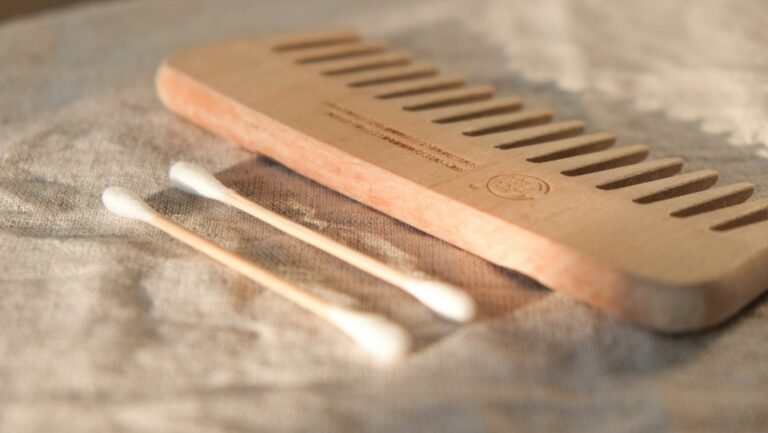
If you are packing for an excursion, combining your flask with a practical travel kit makes life simple. Consider taking a look at a Bamboo Travel Kit with 6 Items to carry your personal grooming essentials cleanly alongside your water container. You can also explore our bamboo travel kit buying guide: contents, uses and care for detailed travel tips.
3. Total Weight and Portability
Weight matters if you walk long distances or carry a compact work tote. A 500 ml plastic bottle weighs almost nothing empty (around 80–120 grams). A vacuum-insulated bamboo and steel flask of the same capacity typically weighs between 300 and 450 grams when empty. The extra heft brings sturdiness and temperature control, but make sure the bottle fits comfortably into your bag’s side pocket or vehicle cup holder before deciding.
Looking for versatile drinkware? You can Explore the Bamboo Water Bottle range to find a sleek, travel-friendly option suited to everyday office and commute needs.
4. Cleaning Requirements (Hand-Wash vs Dishwasher)
Dishwashers are the enemy of natural wood. If you place a bamboo-clad flask inside a hot, high-pressure dishwasher, the timber outer casing will expand, warp, and eventually split along its natural grain.
If you choose bamboo, commit to hand-washing:
- Clean the internal steel chamber using warm water, mild washing liquid, and a long-handled bottle brush.
- Wipe the exterior bamboo with a damp microfibre cloth.
- Never submerge the entire flask in a sink full of soaking water.
- Allow the bottle to dry completely upside down on an open rack with the lid off.
If low-effort, high-heat machine washing is non-negotiable for your household, a heavy-duty reusable plastic or unvarnished steel bottle may suit your cleaning habits better.
To balance your desk setup with other sustainable options, you could also Explore the Cork Cover Journal for notes and planning during your workday.
Environmental Considerations Across the Product Lifecycle
When comparing environmental impacts, look beyond marketing claims. It is unhelpful to brand all plastic as evil or all timber products as entirely impact-free. Instead, assess how long each item stays in active rotation.
Single-use plastic bottles represent an immense waste management challenge across South Asian towns and cities, clogging waterways and persisting in soil. Reusable plastic helps mitigate this, but because plastic bottles absorb stains and scratches, users frequently discard and replace them within one to two years.
Bamboo, as a raw material, absorbs carbon dioxide rapidly and can be harvested without uprooting the root system of the plant. However, because a functional bottle combines bamboo with mined stainless steel and silicone seals, energy is spent during extraction and assembly. The ecological advantage of a bamboo flask is unlocked only when you use it consistently over hundreds of refill cycles. Purchasing one durable flask and maintaining it carefully is far better than cycling through dozens of short-lived plastic alternatives.
For a broader perspective on mindful routines, check out this guide on why natural alternatives matter: sustainable personal care and bamboo essentials.
You can also cut down single-use items during lunchtime by choosing to View the Bamboo Cutlery Set, keeping reusable forks and spoons inside your daily commuter kit.
Frequently Asked Questions
Can I put hot tea or coffee into a bamboo water bottle?
Yes, provided your bamboo flask has a vacuum-insulated stainless-steel core. These flasks maintain beverage heat for several hours. The exterior bamboo remains comfortable to touch because the internal vacuum barrier blocks thermal conduction. Always ensure the lid is sealed tightly to prevent accidental spills.
Will the bamboo exterior rot or develop mould?
Bamboo can develop mould only if it is continuously soaked in standing water or stored inside a dark, damp cupboard while wet. As long as you wipe the exterior dry after rinsing the inside and leave the cap off so moisture evaporates freely, the bamboo will remain clean and sound for years.
Is a bamboo flask heavy to carry around all day?
It is heavier than a thin plastic bottle because of the dual stainless-steel walls and the solid bamboo sheath. Most empty 500 ml flasks weigh under 500 grams, which sits comfortably inside a commuter backpack, shoulder tote, or work briefcase without feeling cumbersome.
How do I remove tea or coffee stains from the stainless-steel interior?
Mix a tablespoon of baking soda (sodium bicarbonate) with warm water, pour it inside the metal core, and let it rest for 20 to 30 minutes. Scrub gently with a soft bottle brush and rinse thoroughly. Avoid harsh bleach or abrasive metal scouring pads, which can scratch the internal steel lining.
Choosing What Fits Your Daily Routine
Picking between bamboo and plastic comes down to matching vessel specifications with your everyday lifestyle. If your top priority is an ultra-light container that you can toss into a dishwasher every evening without a second thought, standard reusable plastic satisfies that narrow requirement.
However, if you want long-lasting temperature retention, a clean metal drinking surface that leaves no chemical aftertaste, and a refined aesthetic made from renewable timber, an insulated bamboo flask is the superior option. By inspecting the internal liner, lid seals, and maintenance needs beforehand, you get a dependable travel companion built to last.
Ready to upgrade your daily hydration? Choose a Reusable Bottle for Your Routine and take a simple, practical step towards lower-waste everyday living.