The Honest Lowdown on Choosing a Bamboo Hair Brush
Direct answer first: picking between a bamboo hair comb and a bamboo hair brush comes down to your hair’s wetness and density, not mythical claims about overnight growth. A comb gives you wide-tooth separation to detangle wet strands safely without snapping fragile cuticles. A brush, particularly one with a cushioned paddle and rounded pins, helps distribute natural sebum along dry lengths and smooths down morning flyaways. Neither tool will magically cure hereditary hair loss or trigger miraculous follicle regeneration. What they actually do is offer a sturdy, anti-static grooming routine made from renewable plant fibres rather than throwaway synthetic polymers.
If you want to reduce household plastic across India and South Asia, switching your grooming kit is one of the easiest steps you can take. We often overlook everyday bathroom accessories, yet millions of cracked plastic combs end up in local landfills every year. You can start rethinking your routine by looking at thoughtful, natural alternatives; take a look at the full Aegle Sriphal sustainable catalogue to discover how natural materials seamlessly replace common plastic items across your daily personal routine.
Brush vs Comb: Which Tool Does Your Hair Actually Need?
Walk into any vanity aisle and marketing will try to convince you that you need five different styling gadgets. In reality, your hair only requires mechanical untangling and oil distribution. The mechanical differences between brushes and combs are stark:
The Bamboo Comb
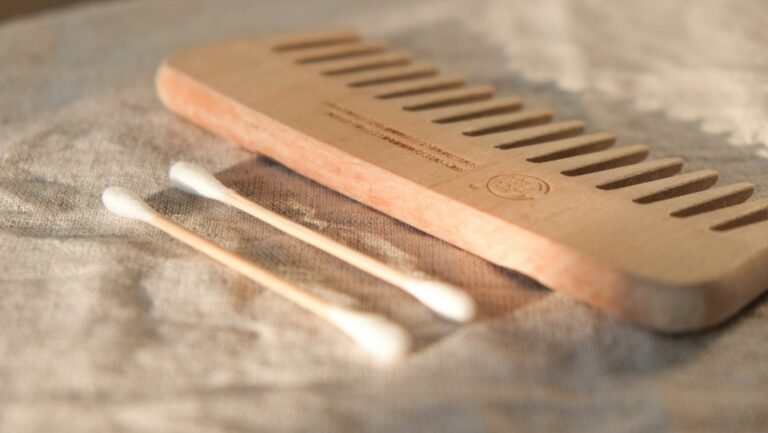
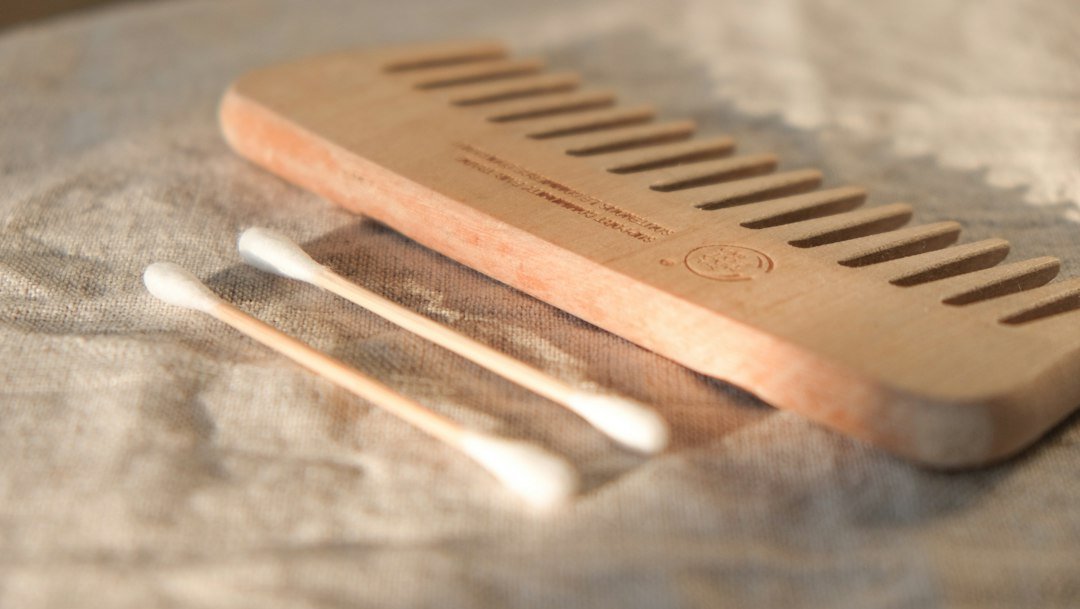
Combs are carved from solid pieces of matured bamboo. Because they lack rubber cushions, they do not trap water internally. That makes them ideal for wet hair straight out of the shower. The widely spaced, smooth teeth glide through knots without grabbing or snapping strands. If you have thick, curly, or coily hair, a wide-tooth bamboo comb remains your best friend for parting, sectioning, and combing through conditioner.
The Bamboo Hair Brush
A bamboo hair brush usually features a carved handle and a bed of bamboo pins set into an elastic cushion base. The pins are slightly flexible and tipped with smooth bulbs. This setup excels on dry hair. As you brush, the flexible pins gently glide over the contours of your scalp, sweeping sebum down from the roots to the ends. It helps reduce surface friction and minimises static electricity, which is especially helpful during dry winter months in North India or in air-conditioned flats.
| Feature | Wide-Tooth Bamboo Comb | Bamboo Hair Brush |
|---|---|---|
| Best Used On | Wet or damp hair | Completely dry hair |
| Primary Job | Detangling knots without breakage | Smoothing, styling, distributing oils |
| Water Resistance | High (can handle damp bathroom use) | Moderate (cushion must be kept dry) |
| Curl Compatibility | Excellent for preserving curl clumps | Better for straight to wavy textures |
| Cleaning Effort | Easy rinse and wipe | Needs gentle pin and cushion care |
Unpacking the Build: Handles vs Bristles vs Cushions
Not all eco-tools are made the same way. When shopping for a bamboo hair brush, examine the fine print regarding construction materials. Greenwashing often masks plastic elements under a wooden aesthetic.
1. The Handle
The main body should be 100% natural, solid bamboo. Bamboo is technically a fast-growing grass, meaning it matures rapidly without requiring intensive chemical fertilisers or heavy irrigation. A properly dried and sanded bamboo handle provides natural water resistance and structural strength without splintering.
2. The Pins (Bristles)
Here is where shoppers get caught out:
- Bamboo Pins: Carved bamboo pins are smooth, sturdy, and anti-static. Because they do not conduct electricity like synthetic nylon, they minimise morning frizz.
- Plastic/Nylon Pins: Many commercial brushes feature a bamboo handle paired with cheap nylon bristles glued into plastic tips. These completely defeat the purpose of an eco-friendly swap.
- Boar Bristles: Traditional natural brushes often use animal bristles. While gentle for fine hair, they are not vegan and lack the firm detangling power of solid bamboo pins.
3. The Cushion Base
To give a hairbrush bounce, pins must sit in a cushioned pad. Look for natural rubber (derived from the sap of rubber trees) rather than synthetic petroleum-based rubber. Natural rubber cushions are flexible, durable, and break down much better at the end of their lifecycle. Make sure there is a tiny air hole in the cushion; this is not a missing bristle, but an essential vent that allows the pad to breathe and compress naturally.
Just as you pay attention to the bristle materials on your head, your daily cosmetics benefit from similar scrutiny. Choosing handcrafted beauty tools like the bamboo makeup brushes set ensures you keep microplastics and synthetic fibres away from sensitive skin, just as you do for your hair.
Separating Honest Hair Care from Marketing Myths
Let us be completely transparent: there is plenty of nonsense surrounding wooden grooming tools. You have probably seen brands claim that using a bamboo hair brush will make your hair grow faster, detoxify your scalp, or reverse breakage overnight.
Let us bust those myths right now:
- Myth 1: It stimulates rapid hair growth. Massaging your scalp feels nice. It may temporarily increase local surface blood circulation. However, hair growth rates are determined by genetics, hormones, thyroid balance, and dietary nutrition, not by whether your brush handle is made of wood.
- Myth 2: It prevents all hair loss. Normal shedding involves losing between 50 to 100 hairs a day as part of the natural telogen phase. A smooth bamboo pin prevents mechanical traction breakage, meaning it will not yank out healthy hair by force. But it will not stop standard shedding.
- Myth 3: Natural wood requires zero maintenance. Bamboo is tough, but it is an organic material. If you leave it sitting in a damp shower puddle, it will develop mildew and crack.
Understanding how plant materials behave helps you build practical, zero-waste habits across your entire household. For a broader look at integrating sustainable alternatives throughout your space, check out the guide to sustainable zero waste living to explore reliable swaps that hold up to real daily use.
Checklist: How to Pick the Right Bamboo Hair Tool for You
Before you add a new tool to your bathroom shelf, run through this quick practical checklist:
- Assess your hair texture: Fine or straight hair benefits from a classic oval paddle bamboo hair brush. Thick, coarse, or curly locks do far better with a wide-tooth comb for untangling knots.
- Examine the pin tips: Run your thumb over the ends of the pins. They should be smoothly rounded and seamlessly carved. Avoid tools with rough seams that can snag hair cuticles.
- Check the finish: Look for a brush sealed with vegetable wax or plant oils rather than toxic chemical lacquers. The wood should feel smooth and matte, not sticky or heavily varnished.
- Identify your routine: If you always brush your hair in the shower while rinsing out a mask, buy a solid bamboo comb. If you style your hair dry at your dressing table, grab a paddle brush.
For those who are frequently travelling across humid climates or packing for business trips, investing in dedicated travel kits ensures you never have to fall back on flimsy hotel plastics. You can see how sustainable travel kits work in practice by reviewing the bamboo travel kit buying guide, which covers keeping personal grooming kits clean and compact on the go.
If you are packing light for regular commutes or weekend getaways, you can see what is in the bamboo travel kit to easily keep your hygiene essentials organised inside a protective case.
Caring for Bamboo: Maintenance in Humid Climates
Bathrooms across South Asia often deal with extreme seasonal humidity and poor ventilation during the monsoon season. Because bamboo absorbs ambient moisture, simple maintenance is essential to make your tools last for years:
Regular Hair Removal
After every two or three uses, lift loose strands out from between the pins using your fingers or the tail of a comb. Allowing hair to build up on the cushion creates a trap for dirt and scalp oils.
Gentle Washing
Never soak a cushioned bamboo hair brush in a basin of water. Water will seep through the air vent hole into the cushion cavity, where it struggles to evaporate, leading to mould. Instead, mix a few drops of mild plant-based shampoo in warm water. Dip an old toothbrush into the suds and gently scrub the pins and cushion face.
Proper Drying
Rinse the pins quickly under a gentle trickle of water, keeping the back of the brush dry. Shake off any excess drops vigorously. Place the brush facedown on a clean cotton towel in a well-ventilated room, away from direct midday sunlight, allowing any water trapped in the vent hole to drain freely.
Light Conditioning
Every few months, rub a single drop of coconut, mustard, or linseed oil onto the handle and wooden pins using a cloth. This conditions the dried bamboo fibres, preventing cracks and keeping the surface moisture-repellent.
If you enjoy practical, non-plastic solutions for your daily routine, consider how sustainable swaps fit into the rest of your home. You can read up on natural bamboo daily essentials to discover simple household swaps that hold up well over years of constant use.
Building a Consistent Plastic-Free Routine
Swapping out plastic combs is often the first step people take toward conscious living. Once you see how durable, tactile, and functional natural materials feel in your hand, synthetic disposables start looking outdated.
When setting up your workstation or kitchen, you can apply the exact same mindful approach. For instance, swapping disposable takeaway cutlery for reusable bamboo cutlery keeps toxic plastic forks out of office bins.
Likewise, whether you are staying hydrated at your desk or running errands in hot weather, you can explore the bamboo water bottle to keep your beverages chilled without relying on single-use plastic bottles.
Bringing sustainable personal care into your lifestyle is about making practical choices based on raw performance. A quality comb or brush should feel balanced, work effectively with your specific hair structure, and last for years without contributing to environmental waste. Ready to make the switch? Find your everyday conscious essentials and explore practical bamboo hair brush designs that combine functional performance with natural materials.
Frequently Asked Questions
Can I use a bamboo hair brush on wet hair?
It is not recommended. Hair is in its weakest, most elastic state when wet. The bristles and rubber cushion of a paddle brush can pull and over-stretch wet strands, leading to snapping. Use a wide-tooth bamboo comb on wet hair instead, saving your paddle brush for dry detangling.
Do bamboo bristles create static electricity?
No. Unlike nylon, plastic, or acrylic bristles, bamboo has a neutral charge that does not cause electrical static. This makes a bamboo hair brush an excellent choice for taming unruly, static-prone flyaways during dry weather.
How long does a bamboo hair brush typically last?
With proper maintenance, keeping the rubber cushion dry and occasionally oiling the handle, a well-constructed brush will last between three and five years. Once it reaches the end of its life, the bamboo components can be composted, leaving behind only the natural rubber pad.
How do I tell if the bristles are genuine bamboo or painted plastic?
Look closely at the grain. Real bamboo pins feature distinct vertical fibrous striations and minor colour variations. Plastic pins will have visible seam moulds along their edges and feel completely uniform, slick, and lightweight.