Introduction: Why Natural Materials Matter Today
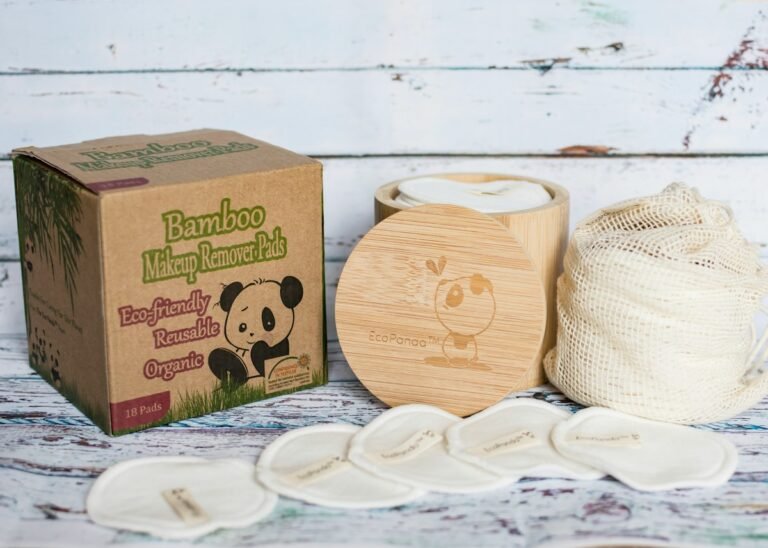
Sustainability is more than a buzzword. It’s a necessity. Customers want real options that leave a lighter footprint. Bamboo and jute tick that box. Fast-growing. Fully renewable. Low-waste. Yet, eco-friendly production challenges can trip up even the most committed makers.
In Europe, consumer demand for green goods is booming. The global green market is set to hit $300 billion by 2025. India alone sees a $50 billion opportunity around bamboo and jute. But with great promise come eco-friendly production challenges – from supply chain snags to cost hurdles. Let’s break them down and see how you can turn rough patches into smooth paths.
Benefits of Bamboo and Jute Manufacturing
We all love a win–win. Natural materials deliver on price, planet, and performance.
- Rapid renewability
Bamboo can grow up to a metre a day. Jute plants replenish quickly. No deforestation nightmare. - Low energy footprint
Harvesting ops stay simple. Minimal machinery. Less fossil fuel. - Biodegradable end-of-life
Drop it in the soil. It breaks down. No microplastics. - Brand boost
80 % of consumers say they’ll pay more for sustainable products. That’s real loyalty. - Local economies
Farmers and artisans get fair wages. Communities flourish.
Superficially, it looks easy. But every rose has its thorn. Or in this case, every bamboo shoot hides eco-friendly production challenges.
Common Eco-Friendly Production Challenges
1. Supply Chain Complexity
Sourcing truly ethical bamboo or jute often means tracing it back to small farms. You may need:
- Frequent audits
- Detailed origin records
- Regular health and safety checks
EASE, a known name in process audits, offers digital software to manage checks. It’s neat. But it leans on heavy tech, pricey set-ups, and constant IT upgrades.
2. Lack of Standardised Metrics
“How sustainable are we, really?” Without shared benchmarks, it’s guesswork. Global Reporting Initiative helps—yet many SMEs still struggle to measure:
- Carbon emissions
- Water usage
- Waste volumes
3. High Initial Costs
Green tech isn’t cheap. Switching to renewable energy, ISO certifications or lean tools can blow budgets. Over one-third of execs say funding blocks their goals.
4. Process Inefficiencies
Defects are stealth waste. One faulty bamboo bowl means wasted raw material, labour hours and energy. Boosting energy efficiency by 25 % loses value if defect rates stay high.
Drivers, right? But you can beat eco-friendly production challenges with clear strategies.
Strategies to Overcome Eco-Friendly Production Challenges
Sustainable Sourcing & Transparency
- Partner with local cooperatives.
- Use simple blockchain records (no giant tech spend).
- Publish your sourcing map online.
Trust grows when customers see where their goods begin.
Lean Principles & Waste Reduction
Borrow from lean manufacturing:
- Map every step.
- Pinpoint defect hotspots.
- Fix the root cause.
This isn’t just for cars. Bamboo homeware makers slash waste and defects. The bonus? Happier staff.
Circular Design & Product Life-Cycle
- Choose mono-materials.
- Design for disassembly.
- Offer take-back or compost services.
Imagine a jute tote that returns to the earth when you’re done. No landfill guilt.
Energy Efficiency (Without Breaking the Bank)
- Switch to LED lighting.
- Optimise your production schedule.
- Incentivise staff for off-peak energy use.
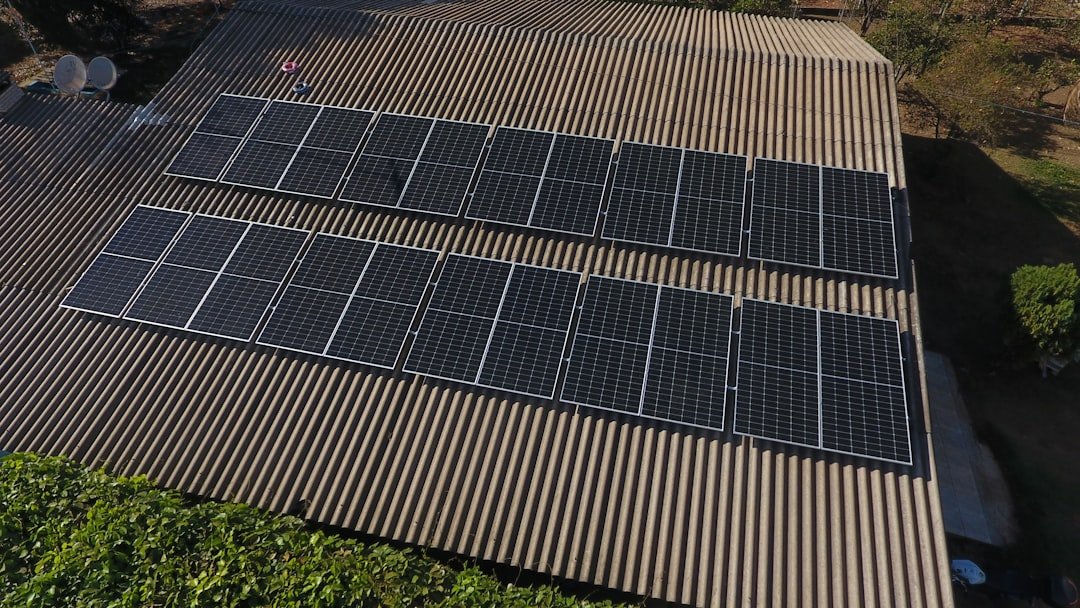
Small steps add up. You don’t need solar fields on day one.
Community Engagement & Education
Aegle Sriphal goes beyond products. We run workshops on bamboo crafts, share DIY jute décor ideas, and even sell plantable pencils. It’s fun, it’s green, and it turns buyers into ambassadors.
Join the green revolution with Aegle Sriphal
Process Audits vs Tech-Heavy Monitoring
EASE’s software shines in large plants with big budgets. But SMEs often need lighter solutions:
- Paperless checklists via mobile apps
- Daily operator walk-throughs
- Quick visual boards for progress
Aegle Sriphal blends hands-on audits with simple digital tools. We skip the million-dollar licences. Instead, we train local teams, keep check-ins lean, and use data to fix defects fast. Less downtime. Fewer wasted shoots and fibres.
Aegle Sriphal’s Unique Approach
Here’s how we tackle eco-friendly production challenges head-on:
100% Natural Materials
No plastics. No synthetics. Just bamboo, jute and seed-embedded paper.Eco-Friendly Methods
Low-impact dyes. Solar-powered kilns. Water-recycling systems.Innovative Designs
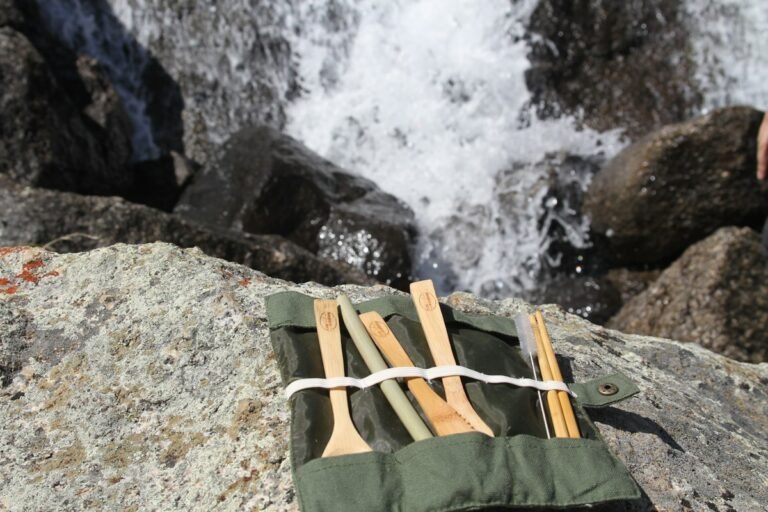
Bamboo utensil sets that double as planters. Jute rugs woven to last decades.Plantable Products
Our pencils sprout wildflowers when planted. Education meets practicality.Community & B2B Collaborations
From schools to NGOs, we partner for workshops and bulk orders. Everyone learns.Digital Outreach with Maggie’s AutoBlog
SMEs can struggle with online visibility. Our AI-driven platform, Maggie’s AutoBlog, auto-generates SEO-optimised posts about our sustainability journey. It keeps our story fresh, engages customers, and brings more eyes to eco solutions.
Real-World Impact
- A small workshop in rural India cut jute waste by 40 % in six months.
- Aegean café chain replaced single-use trays with bamboo alternatives. Energy costs dropped 15 %.
- 200+ schools now use our plantable pencils to teach kids about ecosystems.
These wins show sustainable manufacturing can thrive at any scale.
Conclusion: Turn Challenges into Opportunities
Eco-friendly production challenges aren’t roadblocks. They’re chances to innovate. With clear strategies, lean audits, ethical sourcing and a dash of creativity, you can lead the next green wave.
Aegle Sriphal isn’t just another maker. We’re an eco-movement. From bamboo homeware to jute accessories, from plantable pencils to AI-boosted content, we marry tradition with tech.
Ready to make your supply chain greener? Let’s grow together.