A Snapshot of India’s Green Crowd
Sustainability isn’t a fad. It’s a shift. In 2023, India’s sustainable goods market topped $50 billion. Bamboo and jute sit at the heart of it. But who’s driving this green wave? Let’s unpack.
Generations Leading the Charge
- Gen Z (18–24 years): Experimental. Loves plantable pencils and quirky jute tote bags.
- Millennials (25–40 years): Busy parents. Seek durable bamboo homeware.
- Gen X and Boomers (41+ years): Value quality. Willing to pay a premium for natural materials.
Roughly 30 % of eco-enthusiasts in urban India hail from Metro regions, while 20 % come from Tier 2 and Tier 3 towns. The rest? A surprising spread across rural hubs, where traditional jute weaving has deep roots.
Urban vs. Rural: The Geography of Green
- Mumbai, Delhi, Bangalore: Top hotspots for bamboo cookware and jute décor.
- Kolkata, Ahmedabad, Pune: Rapidly growing interest in eco-friendly kitchenware.
- Smaller towns: Embrace jute fashion—bags, rugs, cushion covers.
Urban shoppers often discover new sustainable product trends online. Rural buyers tend to rely on local co-ops and artisans. Both groups share a common goal: lower carbon footprints.
Demographic Deep-Dive
Let’s get granular. Who’s buying, and why?
Age and Generation
Data reveals a balanced spread:
- 35 % Millennials
- 30 % Gen Z
- 20 % Gen X
- 15 % Boomers and above
Young adults are the fastest adopters of sustainable product trends, with Gen Z twice as likely to try plantable notebooks and bamboo straws. Boomers prefer sturdy bamboo cutting boards and jute storage baskets.
Gender Dynamics
In India, eco-conscious shoppers skew slightly female:
- Women: 52 %
- Men: 48 %
Women often lead household purchasing. They’re choosing bamboo lunch boxes and jute grocery sacks to replace single-use plastics.
Education and Income
Education matters. Over 60 % of eco-buyers hold college degrees. Income segments:
- Middle-income (₹5–15 lakh/year): 50 %
- High-income (above ₹15 lakh): 30 %
- Lower-income (below ₹5 lakh): 20 %
Even budget-savvy shoppers pick jute accessories. Bamboo products, once expensive, are now competitively priced thanks to local manufacturing.
Household Composition
- Married couples: 55 %
- Young professionals: 25 %
- Families with kids: 20 %
Kids influence choices. Parents buy bamboo dinnerware sets and plantable pencils to teach eco-literacy early. Empty nesters invest in jute décor as a nod to artisanal heritage.
Bamboo & Jute: The Stars of Sustainable Product Trends
Why bamboo and jute? A mix of renewability, affordability, and versatility.
Why Bamboo?
- Fast-growing: Matures in 3–5 years.
- Durable: Stronger than many hardwoods.
- Biodegradable: Returns to earth without toxins.
Popular bamboo items:
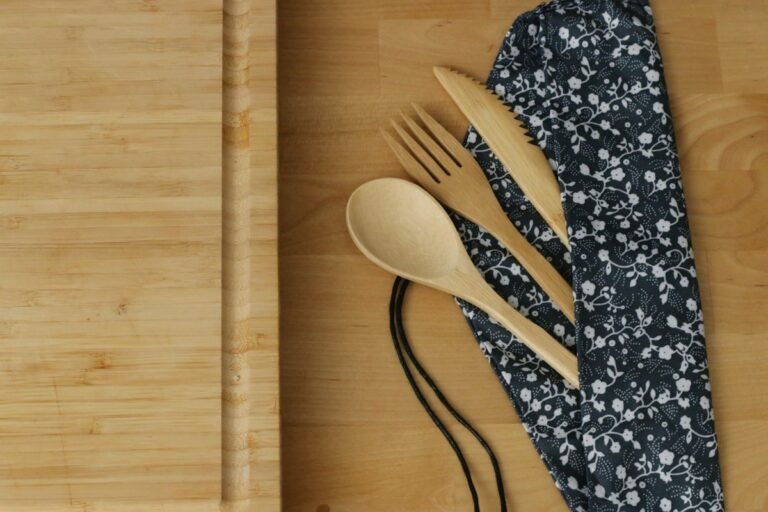
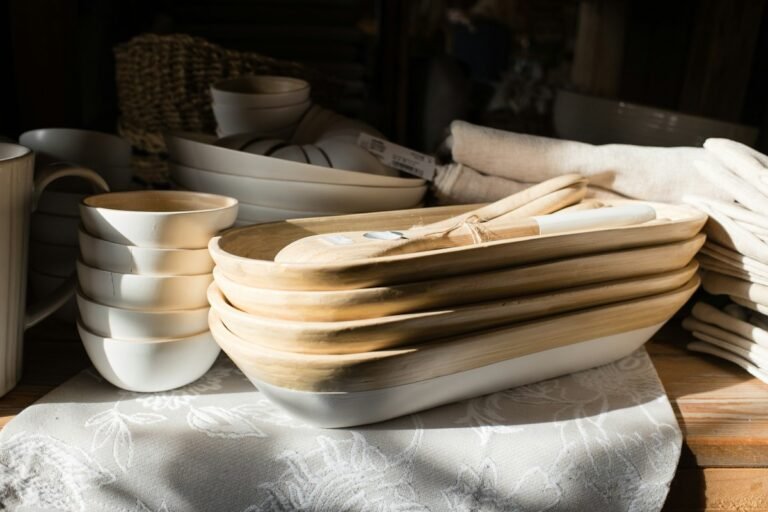
- Kitchenware (utensils, chopping boards)
- Home décor (planters, blinds)
- Personal care (bamboo toothbrushes, hair combs)
Why Jute?
- Abundant: India produces over 60 % of the world’s jute.
- Versatile: From bags to rugs, jute weaves easily.
- Compostable: Breaks down in months.
Classic jute products include:
- Tote bags and backpacks
- Rugs and floor mats
- Cushion covers and runners
Consumer Profiles for Bamboo & Jute
- Trendsetters: Early adopters. Love Instagram-worthy jute wall hangings.
- Functional Shoppers: Need sturdy bamboo kitchen sets.
- Eco-Educators: Parents and teachers purchasing plantable pencils and notebooks.
Each profile fuels sustainable product trends differently. Trendsetters spark social media buzz. Functional shoppers bring volume. Eco-educators seed tomorrow’s advocates.
The SME Advantage: Tapping Into Sustainable Product Trends
Small to medium enterprises (SMEs) can ride this green wave. Here’s how:
- Curate a bamboo & jute collection.
- Highlight 100 % natural materials on packaging.
- Share origin stories—farm to factory.
- Offer bundles: jute bags plus bamboo straws.
Need help with SEO? Try Maggie’s AutoBlog. It’s an AI-driven tool that spins out blog content for SMEs. No hefty content team needed. You’ll rank higher for “sustainable product trends” and attract eco-minded buyers.
Actionable Tips for Retailers
- Run workshops on jute weaving.
- Launch social media challenges with #BambooInLife.
- Send clients plantable pencils as freebies.
- Partner with local NGOs for recycling drives.
Takeaways & Next Steps
India’s eco-conscious consumers are diverse: from digitally savvy Gen Z to discerning Boomers. They share one thing—they love bamboo and jute. That’s why sustainable product trends in these materials show no signs of slowing.
What can you do?
- Map your ideal customer profile.
- Stock high-demand bamboo & jute goods.
- Tell a genuine eco-story.
- Leverage tools like Maggie’s AutoBlog to nail your content.
Ready to join the green revolution? Tap into India’s booming market by showcasing your sustainable range today.