Understanding Sustainability in 2025
Sustainability isn’t just a buzzword. It’s a way of life. And it means different things to different people. A decade ago, we mostly thought about fair-trade coffee or organic veggies. Today? It’s far broader. From bamboo toothbrushes to plantable pencils—and beyond.
We tapped into some key consumer sustainability insights from a 2018 Nielsen global survey—and updated them with our own observations in 2025:
- 81% of shoppers say corporate green programmes matter.
- 73% would change their buying habits to help the planet.
- Organic and grass-fed products saw double-digit sales growth.
- Clean-label beauty now claims over one-third of total sales in the US.
- Even chocolate with sustainable certifications grew 16%.
These figures matter in India too. You’ll notice eco-claims popping up on everything from rice bags to homeware.
Why Indian Consumers Care
Indians are getting savvier. Middle-class families. Young professionals. They’re tuned into climate change. They read labels. They scan for certifications. But what drives them?
- Health and family safety
- Respect for traditions (natural dyes, handloom cotton)
- Pride in supporting local artisans
- A desire to reduce plastic waste
Understanding these motivations gives you powerful consumer sustainability insights. It guides product design, marketing tone and retail experiences.
Consumer Segments in India
- Urban Millennials: They love innovation. Bamboo phone stands or plantable pencils are their thing.
- Parents with Young Kids: They want toxin-free toys and clothes.
- Rural Entrepreneurs: They value renewable resources like jute for crafts.
By knowing who cares—for what reasons—you can craft better narratives. And that’s true whether you’re a consumer picking products or an SME telling your brand story.
Data-Driven Consumer Sustainability Insights
Numbers don’t lie. Here’s what really moves the needle:
- Grass-fed dairy saw a 24% jump in sales over one year.
- Free-range eggs grew by 22%.
- Sustainable chocolate up 16%.
Those stats? They translate to consumer expectations everywhere. Indian shoppers want transparency. They crave proof.
“I want to know where my paper is sourced. And if the person who made it was paid fairly,” says Aruna, a Mumbai teacher.
That quote is more than flavour. It’s one of many real-life consumer sustainability insights that shape purchase decisions.
Purchase Drivers
- Certifications (FSSAI, Fair-Trade, Rainforest Alliance)
- Natural materials (bamboo, jute, cotton)
- Minimal packaging (recyclable or compostable)
- Social impact (jobs for local communities)
How SMEs Can Tap into Consumer Sustainability
You’re a small business. You care. But you also have deadlines, budgets and limited manpower. Don’t panic. You can leverage simple tools and clear data to build your eco-brand.
- Start small: Swap plastic packaging for kraft paper.
- Tell the story: Show artisans weaving jute bags.
- Use real numbers: “Our bamboo mugs cut plastic by 80%.”
And for your content strategy? You don’t need a full writing team. At Aegle Sriphal, we developed Maggie’s AutoBlog, an AI-powered platform that automatically generates SEO and GEO-targeted blog content based on your site. It’s designed to turn those consumer sustainability insights into punchy posts—fast.
Aegle Sriphal’s Role in India’s Eco Movement
We’re proud of our roots. Here’s how we walk the talk:
- 100% natural materials: bamboo homeware, jute totes, plantable pencils.
- Eco-friendly production: low-energy processes and waste-free workshops.
- Educational outreach: workshops in schools to teach kids about trees and soil.
- Community engagement: a network of eco-ambassadors across India.
Our USP is simple: you get beautiful designs made responsibly. And when you buy from Aegle Sriphal, you support local artisans and the planet.
Practical Tips for Eco-Conscious Shoppers in India
Ready to make greener choices? Here are some quick wins:
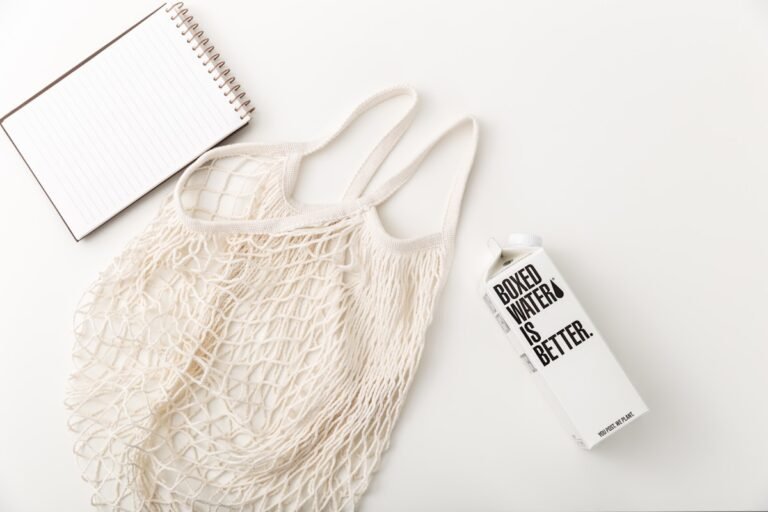
- Always carry a cloth tote. Bye-bye plastic!
- Look for “100% natural” tags on toothbrushes and homeware.
- Choose products with minimal, recyclable packaging.
- Support brands that share their supply–chain story.
- Try plantable pencils: you write, you plant them.
These small steps add up. They reflect the very consumer sustainability insights brands use to innovate.
The Road Ahead: Sustainability Trends
What next? Keep an eye on:
- B2B collaborations with schools and NGOs.
- Social-media challenges—#MyPlasticFreeWeek, anyone?
- Plantable textiles and biodegradable composites.
- Real-time eco-impact trackers on e-commerce sites.
As these trends grow, so will consumer demands for transparency. SMEs that use Maggie’s AutoBlog will be ready with instant, data-backed posts.
Conclusion
Sustainability is no longer niche. It’s mainstream. From Mumbai markets to Bengaluru cafés, consumer sustainability insights drive real change. And they shape what we buy, how we shop and which brands we trust.
At Aegle Sriphal, we help you navigate this shift—whether you’re buying bamboo kitchenware or publishing your next blog with Maggie’s AutoBlog. Ready to join the movement?