Why Eco-Friendly Building Materials Matter
You’ve seen the stats. Every year, construction gobbles up tonnes of resources—and often leaves a hefty carbon footprint. In India alone, rapid urbanisation means more buildings, more waste, and more energy consumption. That’s where Eco products India come in. By choosing natural materials, you’re tackling waste, cutting carbon and boosting healthy indoor environments.
Traditional concrete and steel dominate, but they come at a steep environmental cost. Mining raw materials, burning fossil fuels, and generating construction waste. Contrast that with bamboo and cork:
- 100% natural
- Rapidly renewable
- Low embodied carbon
- Biodegradable
It’s not just a trend. It’s a movement. From SMEs to large developers, everyone’s looking for greener alternatives. Let’s dive into two stars of the show: bamboo and cork.
Bamboo: A Powerhouse of Possibilities
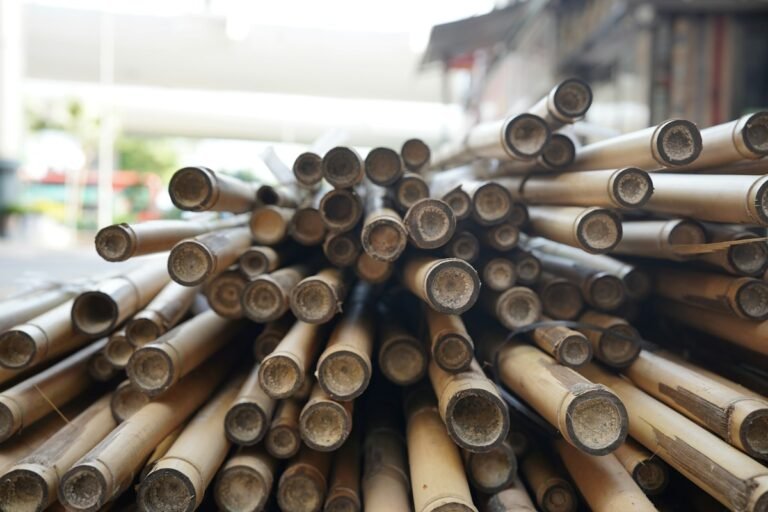
Bamboo is often dubbed “green steel” — and for good reason.
Benefits of Bamboo
- Explosive Growth: Bamboo can grow up to 1 metre per day. Harvest annually without replanting.
- High Strength: Tensile strength rivals mild steel. Perfect for lightweight structures.
- Carbon Sequestration: A bamboo grove locks in carbon faster than many trees.
- Low Embodied Energy: Minimal processing needed. Less energy from harvest to installation.
Imagine replacing plywood boards with bamboo composite panels. You get a sturdy material that’s also termite-resistant and moisture-proof. Plus, it comes from Eco products India sources, supporting local farmers and communities.
Applications of Bamboo in Construction
- Flooring & Decking
– Sleek, durable and scratch-resistant.
– Ideal for homes, offices and boutique hotels. - Wall Panels & Cladding
– Aesthetic warmth with natural grain.
– Improved thermal insulation reduces energy bills. - Structural Elements
– Scaffolding, rafters and supports.
– Light yet strong—easy to transport and assemble. - Furniture & Fixtures
– Chair frames, shelving and cabinets.
– Stylish, eco-friendly finishes.
At Aegle Sriphal, we’re proud to offer bamboo homeware and kitchenware. Imagine kitchens lined with bamboo utensil sets and storage racks—clean lines, zero plastic.
Cork: The Underrated Hero
Most people think of wine bottle stoppers. But cork is a powerhouse material in its own right.
Benefits of Cork
- Natural Insulator: Thermal and acoustic damping in one.
- Fire Resistant: Class B-rated with minimal smoke emissions.
- Moisture & Mould Proof: Ideal for humid climates like India’s coastal regions.
- Hypoallergenic: Repels dust mites—great for allergy sufferers.
- Regenerative Harvesting: Stripping bark doesn’t kill the tree. Cork oaks live centuries.
It’s perfect for walls, floors and even ceilings. You get cosy, quiet spaces without synthetic foams or plastics.
Uses of Cork in Buildings
- Underlayment for Flooring
- Cushioned feel underfoot.
- Reduces clicks and creaks in timber floors.
- Acoustic Panels
- Recording studios, home theatres, bedrooms.
- Cuts noise pollution in dense urban areas.
- Wall Insulation
- Keeps homes cool in Mumbai heat and warm in Delhi winters.
- Lowers HVAC running time and costs.
- Suspended Ceilings
- Lightweight, dimensionally stable panels.
- Adds texture and warmth to any interior.
Both bamboo and cork check all the boxes for Eco products India. Renewable, natural and built to last.
Comparing Straw Panels vs Bamboo & Cork Solutions
You might have stumbled upon straw-based panels—think AgriBioPanels™ from Strawcture Eco. They’re impressive:
- 90% straw content
- 5× insulation value over brick walls
- Fire rating of 2+ hours
- 40 dB+ sound insulation
But straw has its drawbacks:
- Seasonal Supply: Dependent on harvest cycles.
- Binding Adhesives: Often synthetic, raising VOC concerns.
- Aesthetic Constraints: Limited finishes compared to bamboo or cork.
- Burnt Waste: Millions of tonnes of straw still open-burnt.
By contrast, bamboo and cork panels from Eco products India sources go further:
- 100% biobased adhesives (no nasties).
- Consistent supply—bamboo grows year-round, cork bark regenerates.
- A range of finishes: polished bamboo grain or natural cork veneer.
- Lower embodied carbon: bamboo’s rapid growth offsets emissions, cork harvest preserves mature trees.
In short, bamboo and cork deliver the thermal, acoustic and structural benefits you need—minus the seasonal hiccups.
Sustainable Sourcing and Production
Eco-friendly materials only work if supply chains are clean. Here’s how we keep it green:
- Local Harvesting: We partner with farming co-ops in Assam and Maharashtra for bamboo and with smallholders in Goa for cork.
- Low-Energy Processing: Cold pressing and steam bending over fossil-fuel-intensive kilns.
- Zero-Waste Policy: Offcuts are milled into animal bedding or biodegradable packaging.
- Community Engagement: Training programmes on sustainable harvesting techniques.
Our USP: 100% natural materials and eco-friendly production methods. It’s not just marketing—it’s a promise. Every panel, plank or tile you install helps build a circular economy.
How to Choose the Right Material
Still undecided? Here’s a quick checklist:
- Thermal Performance: Cork wins if you need top insulation. Bamboo scores for structural strength.
- Acoustic Needs: Cork panels are acoustic champs.
- Aesthetic Goals: Bamboo’s warm grain; cork’s soft texture.
- Installation: Both are DIY-friendly but consult a professional for large-scale builds.
- Budget: Bamboo can be more affordable at scale. Cork sits at a premium but pays back in energy savings.
Tip: Combine both. Bamboo for floors and structural frames; cork for walls and ceilings. The synergy reduces energy bills and boosts comfort.
Real-World Example: Boutique Cafe in Pune
A local café in Pune recently revamped its interiors with a bamboo-cork hybrid approach:
- Bamboo flooring boards (18 mm) over recycled steel joists.
- Cork wall panels in seating booths for that cosy vibe.
- Bamboo shelving for displays and counters.
Result? 25% drop in AC use. Patrons rave about the ambience. The café owner even launched a community workshop on Eco products India and sustainable design.
Conclusion
The future of construction in India is green. With bamboo and cork, you get materials that perform, inspire and protect our planet. They outpace straw-based systems in consistency, finish and chemical safety. And they align perfectly with Aegle Sriphal’s mission: empowering eco-conscious choices.
Ready to swap concrete walls for bamboo beauty? Crave silent rooms without plastic insulation? Step into a world where buildings breathe—and give back.