Introduction: Why the Right Bag Transforms Your Zero Waste Shopping
Zero waste shopping isn’t just a trend, it’s a lifestyle. And yet many of us overlook the unsung hero of this movement: the humble produce bag. It sounds simple, but the choice between fabrics—organic cotton, bamboo or jute—shifts the environmental balance in surprising ways. One bag won’t change the world, but switching every single plastic bag to a natural fibre can add up fast.
In this showdown, we explore how each material stacks up on water use, durability and end-of-life impact. You’ll learn why bamboo and jute options from Aegle Sriphal often outshine conventional organic cotton sacks. Ready for a fresh perspective on zero waste shopping? Eco-Transformation: Embrace zero waste shopping with Aegle Sriphal’s Sustainable Product Initiative
The Case for Rethinking Your Grocery Bag
Plastic bags? They tear, they leak, they choke ecosystems. Every minute, the equivalent of a truckload of plastic is dumped into our oceans. We all know that feeling of juggling flimsy bags through the checkout. It’s frustrating. It’s wasteful. It’s avoidable.
Switching to natural fibre bags does more than reduce landfill. It:
- Cuts down microplastics in waterways
- Supports sustainable farming and harvesting
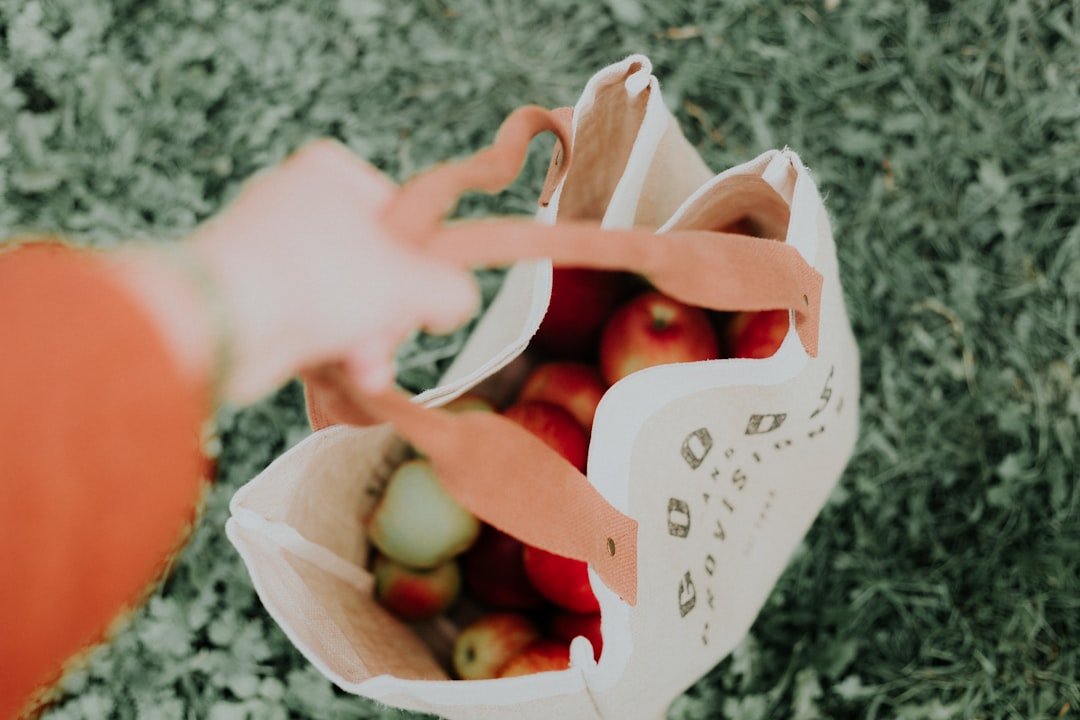
- Offers a sturdy, washable alternative you’ll actually keep
But not all natural fibre bags are created equal. Let’s meet the contenders.
Meet the Contenders: Organic Cotton vs Bamboo vs Jute
Organic Cotton Produce Bags
Organic cotton bags are widely available. They’re soft, breathable and widely promoted by brands like EcoRoots. They earn points for being machine-washable and compostable. But here’s the catch:
- High water footprint: Growing cotton uses up to 10,000 litres per kilogram.
- Long drying times: Sewing thick layers means air-drying can take days.
- Durability limits: Double-stitching helps, but they can fray after heavy use.
Despite the eco marketer’s spin, organic cotton produce bags still demand significant resources. If you’re serious about zero waste shopping, it’s worth weighing those hidden costs.
Bamboo Produce Bags
Bamboo is the dark horse. It grows quickly without fertilisers and requires minimal water. The fabric feels silky but holds its shape.
Key perks:
- Rapid renewability: Bamboo matures in six months versus cotton’s four-year cycle.
- Natural antimicrobial properties: Keeps produce fresh longer.
- Fine mesh design: Won’t snag soft fruits or veggies.
You might wonder, is bamboo too good to be true? The trick is sourcing from responsibly managed groves. Aegle Sriphal partners with small-scale Indian farmers who use traditional, chemical-free methods. The result: a light, durable bag that demands far less irrigation than cotton.
Jute Produce Bags
Jute is often called the golden fibre. It thrives in humid climates, needs little intervention, and enriches the soil it grows in.
Highlights:
- High tensile strength: Perfect for bulk shopping trips.
- Minimal processing: Jute fibres go from crop to bag with few chemicals.
- Full biodegradability: Leaves zero toxic residue when composted.
In terms of sheer robustness, jute bags feel like they could carry your entire shopping haul. They get softer with each wash and still hold strong. It’s a material built for heavy lifters and big grocery days.
Performance and Durability: A Side-by-Side
Let’s break it down:
| Material | Strength | Weight Capacity | Wash & Care |
|---|---|---|---|
| Organic Cotton | Medium | 5–7kg | Cold machine wash, air dry |
| Bamboo | High | 7–10kg | Gentle wash, quick air dry |
| Jute | Very High | 10–15kg | Spot clean or gentle wash |
Tips for longevity
- Avoid hot water cycles
- Hang to dry in shade
- Trim loose threads promptly
By this measure, bamboo and jute pull ahead for the serious zero waste shopping fan.
Biodegradability & End-of-Life Impact
When the bag finally wears out, what happens? Organic cotton and bamboo break down in a home compost, but they take months and can leave behind biodegradable dyes. Jute, however, decomposes cleanly in weeks, returning nutrients to the soil without fuss.
That loops the life cycle nicely:
- Grow fibre naturally
- Weave into a sturdy bag
- Use for years
- Compost to nourish new crops
This cradle-to-cradle model is zero waste shopping at its finest.
How Aegle Sriphal Raises the Bar
Aegle Sriphal doesn’t just source quality fibres—they innovate at every step. Here’s how the brand sets a new standard:
- 100% natural production methods
- Fair trade partnerships in India and South Asia
- Innovative designs, like reinforced jute seams and bamboo drawstrings
- Educational campaigns on waste management
Their flagship products include:
- Aegle Sriphal Bamboo Produce Bag – a lightweight, antimicrobial mesh that breathes.
- Aegle Sriphal Jute Produce Bag – the heavyweight champion for bulk aisles.
These offerings tackle the usual cotton bag drawbacks, making every zero waste shopping trip smoother.
Relying on traditional craftsmanship and modern design, Aegle Sriphal invites you to ditch the disposable and choose a lasting companion for your market runs. Discover zero waste shopping made simple with Aegle Sriphal’s natural fibre bags
Testimonials: Real Stories from Eco-Champions
“I’ve tried organic cotton before, but it wore thin fast. The jute bags from Aegle Sriphal feel like they’ll last a lifetime. My weekly shop is a breeze now.”
— Priya S., Bengaluru
“The bamboo mesh bag kept my berries fresh for days. No more soggy leaks. Plus, I love knowing it came from a sustainable source.”
— Nikhil R., Chennai
“As a vegan chef, I juggle heavy jars and veggies. The Aegle Sriphal produce bags never let me down. They wash clean and look great.”
— Samantha K., Mumbai
Choosing Your Perfect Produce Bag
Ready to make the switch? Ask yourself:
- How heavy is your average shop?
- Do you need antibacterial properties for delicate fruit?
- Will you compost the bag at end-of-life?
If you lean towards bulk buys, pick jute. For a lighter load with quick drying, bamboo is your friend. And if you’ve already got cotton bags, supplement them with a few bamboo or jute options for tough tasks.
Conclusion: Make Every Bag Count
Zero waste shopping isn’t about perfection, it’s about progress. Each bag swap is a statement: you care about water, soil and ocean life. By choosing bamboo or jute bags from Aegle Sriphal, you cut down resource use, boost durability and close the loop on waste.
Ready to step up your sustainable game? Ready for zero waste shopping? Explore Aegle Sriphal’s sustainable fibres