Green Breathing Made Simple: Why Reusable Personal Accessories Matter
Clean air matters. Yet every year, millions of disposable filters end up in landfill. For anyone on CPAP therapy that means more plastic waste—air filters, packaging, the lot. Reusable personal accessories are a sensible solution. They cut landfill volume. They cut costs long term. And they cut your carbon footprint. Start breathing cleaner air and saving the planet today with Eco-Transformation: Sustainable Reusable Personal Accessories.
In this guide you’ll discover why reusable pollen filters are a game-changer for CPAP users. You’ll learn practical steps to maintain them, see how they compare to throw-away versions, and explore complementary eco-friendly products from Aegle Sriphal. By the end you’ll be ready to swap single-use bits for sustainable, stylish alternatives—without compromising comfort or hygiene.
Understanding CPAP and the Pollen Problem
What is CPAP therapy?
Continuous Positive Airway Pressure (CPAP) is the gold standard for treating sleep apnoea. A mask delivers pressurised air to keep airways open overnight. Effective, but the machine needs a clean slate of air.
The role of pollen filters
Pollen filters sit between the motor and the hose. They trap dust, pollen, mould spores and pet hair. No filter, no protection. Air quality suffers. You wake up sniffly, congested, low on energy.
Why disposable filters fall short
Disposable filters are cheap, but they create waste. Typically replaced every month, they pile up fast:
– Plastic frames and fibres
– Single-use packaging
– Transportation emissions
Over a year that’s a small mountain of rubbish. Worse, many filters aren’t recycled because they’re stained or damp.
The Environmental Footprint of Disposable CPAP Filters
Replacing filters monthly sounds easy until you tally the numbers. Let’s do the maths.
- Average filter weight: 2 g
- Replacements per year: 12
- Total waste per user: 24 g plastic and fibres
Multiply by 100,000 users and you hit 2.4 tonnes of waste. And that’s before factoring shipping, packaging and energy used in production.
Key environmental pain points:
– Microplastics from fibres
– Energy consumption in manufacturing
– Carbon emissions from transport
– End-of-life landfill impact
The good news? Reusable personal accessories for CPAP slash waste. One filter can last six months or more. That’s only two filters a year instead of twelve. You reduce:
– Filter waste by 83%
– Packaging by 83%
– Shipping emissions by 83%
Cleaner air for you. Cleaner planet for all.
Enter the DreamStation 2 Reusable Pollen Filter – A Greener Choice
Philips Respironics’ DreamStation 2 Reusable Pollen Filter is a prime example of how reusable personal accessories can work in practice. Here’s the lowdown:
– Compatibility: DreamStation 2 Auto Advanced CPAP machines
– Filtration: Captures pollen and larger particulates
– Noise: Virtually silent—no extra hum at night
– Cleaning: Just rinse under water every two weeks
– Replacement: Swap out every six months or when worn
It’s a solid step towards sustainability. Yet a few limitations remain:
– Plastic frame still ends up as waste after extended use
– Only fits one model line
– Requires fortnightly maintenance schedule
That’s where further innovation is needed. Imagine filters made with plant-based frames, or biodegradable mesh. Reusable personal accessories can evolve beyond this first generation to deliver even more eco-friendly solutions.
Maintenance Tips: Cleaning & Lifespan of Reusable Filters
Getting the most from any reusable pollen filter means simple, regular care. Here’s how to keep yours performing brilliantly:
- Rinse under cold water every two weeks
- Pat dry on a clean towel or air-dry completely before reinstalling
- Inspect for tears, fraying or discolouration
- Replace every six months—sooner if you notice reduced airflow
- Store spare filters in a dry, dust-free container
Stick to that routine and one filter can serve you for half a year or more. You’ll enjoy steady air flow and minimise waste. If you’d like to expand your sustainable collection, Aegle Sriphal offers a range of eco-minded gear beyond filters. Discover sustainable reusable personal accessories.
Beyond CPAP: Complementary Sustainable Products by Aegle Sriphal
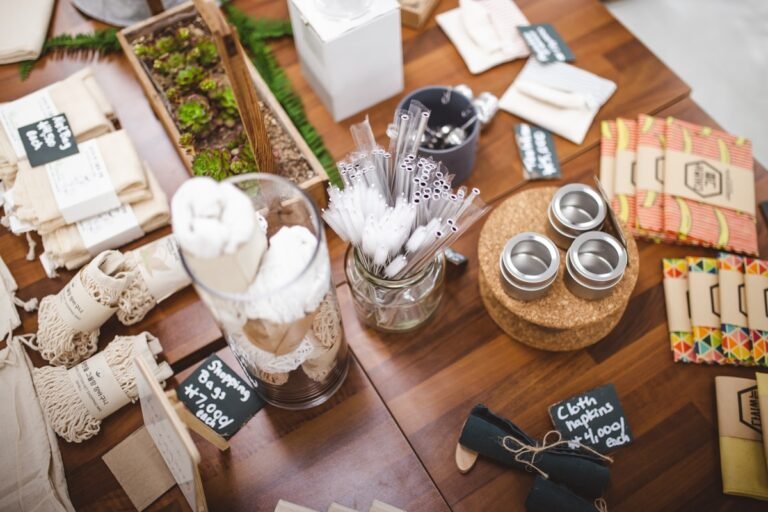
Switching to reusable personal accessories is just the beginning. Aegle Sriphal champions sustainability across your daily gear. Consider these products:
- 100% natural jute tote bags
• Robust, washable and biodegradable
• Perfect for gym (or mask) storage - Bamboo homeware
• Mugs, bowls and cutlery sets
• Durable, lightweight and elegant - Plantable pencils
• Write, then plant—seed capsules grow herbs or flowers
• Teaches kids sustainability
Each item embodies eco-friendly production methods and natural materials. They’re a tangible way to support the green movement in your home and routine.
How to Switch: Practical Steps to Go Green with CPAP
Ready to make the switch? Follow this simple roadmap:
- Check compatibility
• Verify your CPAP model supports a reusable pollen filter - Order your first set
• Aim for two per year—keeps you covered if one’s drying - Schedule maintenance
• Add filter cleaning to your fortnightly to-do list - Monitor performance
• Note any airflow changes or visual wear - Expand your eco collection
• Pair filters with jute bags or bamboo accessories for a fully green kit
By organising your supplies and routine, you’ll cut waste without any hassle. Plus, you’ll enjoy fresh, filtered air night after night.
Conclusion: Breathe Easy, Live Sustainably
Embracing reusable personal accessories like sustainable CPAP filters is an easy win. You’ll shrink your environmental footprint, reduce ongoing costs and stay comfortable throughout therapy. Coupled with Aegle Sriphal’s range of jute tote bags, bamboo homeware and plantable pencils, you’ll turn everyday essentials into a force for good.
Take the next step towards a greener sleep routine and lifestyle. Explore our reusable personal accessories line today.