Sustainable living in India is no longer a niche movement — it is becoming a mainstream shift in consumer behavior. Rising environmental awareness, stricter plastic regulations, increasing urban waste, and health-conscious buying patterns are pushing households to rethink their everyday choices.
Among the many eco-friendly materials gaining popularity, bamboo products are emerging as one of the most practical and scalable solutions for Indian homes. The reason is simple: bamboo combines environmental responsibility, durability, affordability, and aesthetic appeal in a way few materials can.
But why exactly is bamboo positioned as the future of sustainable living in India? Let us explore this in depth.
India’s Sustainability Challenge
India generates millions of tonnes of plastic waste annually. Despite recycling initiatives, a significant portion ends up in landfills, waterways, and oceans. Single-use plastic items — especially in kitchens, packaging, and personal care — contribute heavily to this problem.
At the same time, urban consumers are increasingly searching for:
- Eco-friendly alternatives to plastic
- Sustainable home products
- Zero-waste lifestyle options
- Natural and biodegradable materials
This growing demand creates space for materials that are renewable, accessible, and suitable for daily use.
Bamboo fits perfectly into this requirement.
Bamboo – A Rapidly Renewable Resource
Unlike hardwood trees that can take decades to mature, bamboo grows extremely fast — often reaching harvest maturity within 3 to 5 years. After harvesting, it regenerates naturally without requiring replantation.
Key environmental advantages include:
- Requires minimal water
- Grows without heavy pesticide use
- Absorbs significant carbon dioxide
- Releases higher oxygen levels compared to many tree species
- Prevents soil erosion
Because of these characteristics, bamboo has one of the lowest environmental footprints among raw materials used for consumer products.
For a country like India, where sustainable agriculture and land use are critical concerns, bamboo offers both ecological and economic advantages.
Perfectly Suited for Indian Households
Sustainability alone is not enough. A material must also perform well in daily life.
Indian households demand products that can handle:
- High cooking temperatures
- Frequent washing
- Humidity variations
- Heavy usage
Bamboo naturally provides:
- High tensile strength
- Heat resistance
- Lightweight durability
- Natural antibacterial properties
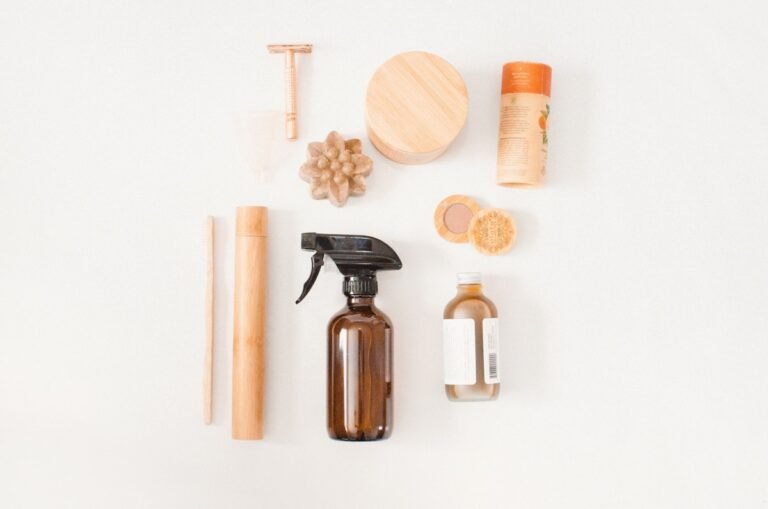
From kitchen tools and chopping boards to storage organizers and toothbrush handles, bamboo adapts seamlessly to everyday Indian routines.
Unlike plastic, it does not melt under heat exposure. Unlike certain metals, it does not conduct heat aggressively. And unlike low-grade synthetic materials, it does not degrade into microplastics.
Reducing Plastic Dependency
One of the strongest arguments for bamboo is its ability to replace high-frequency plastic items.
Consider common household products:
- Toothbrushes
- Spatulas
- Cutting boards
- Storage containers
- Straws
- Organizers
Replacing even a handful of these with bamboo alternatives can significantly reduce long-term plastic waste generation.
If one household reduces just 20–30% of its plastic usage annually, the cumulative effect across communities becomes substantial.
The future of sustainability in India depends not on extreme changes — but on millions of small, practical switches.
Economic and Market Growth Potential
India’s eco-conscious consumer segment is expanding rapidly. Young professionals, urban families, and conscious shoppers are willing to invest in products that align with environmental values.
As awareness grows, demand for bamboo-based lifestyle products is increasing in categories such as:
- Kitchen essentials
- Personal care
- Home decor
- Gifting solutions
- Storage solutions
With improving manufacturing standards and better supply chains, bamboo products are becoming more affordable and widely accessible.
This makes bamboo not only environmentally viable but also commercially scalable — a key requirement for long-term sustainability transformation.
Aesthetic and Lifestyle Appeal
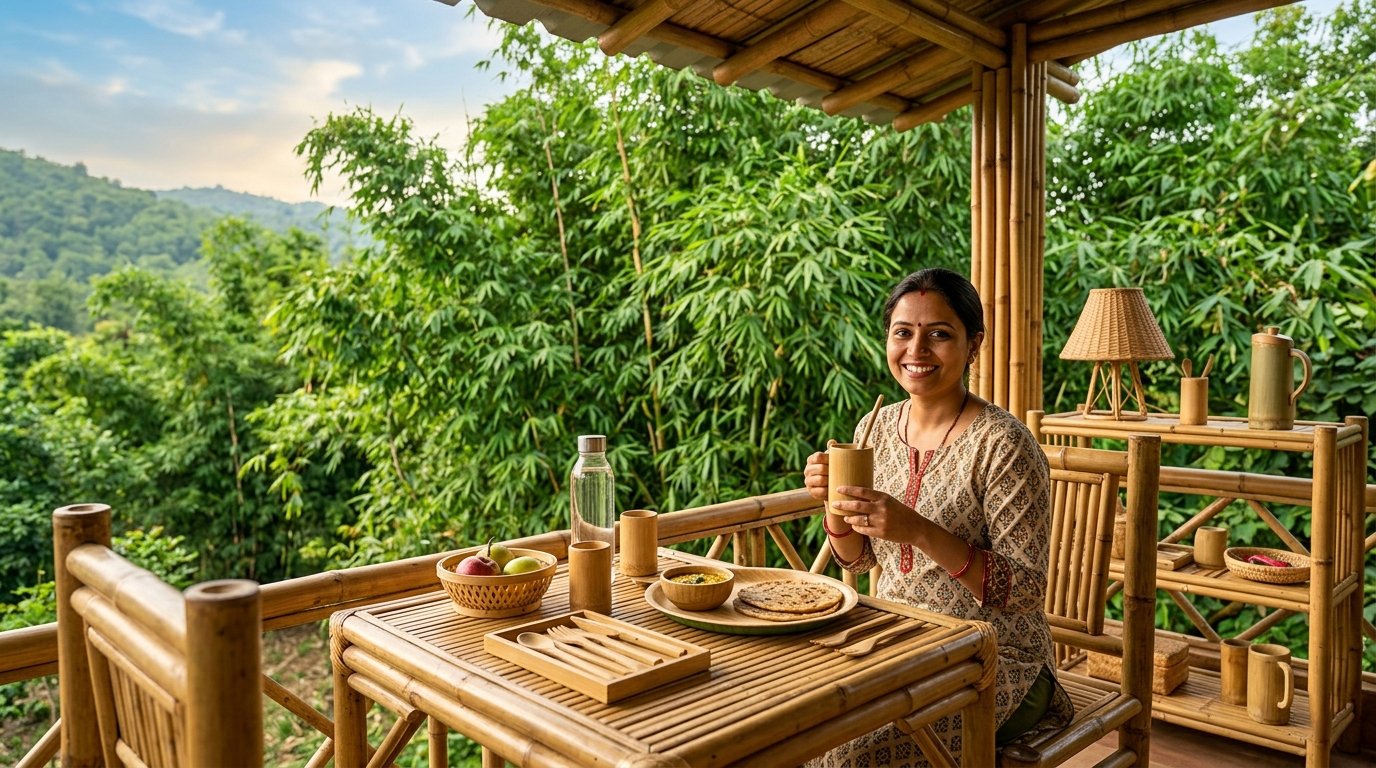
Modern Indian homes are evolving toward minimal, natural, and earthy interiors. Bamboo products complement this design philosophy.
Natural grain textures, subtle tones, and handcrafted finishes add warmth and authenticity to living spaces. Unlike plastic, which often appears artificial, bamboo enhances the visual and tactile experience of everyday items.
Sustainable living is not just about reducing harm — it is also about elevating lifestyle quality.
Addressing Common Concerns
Some consumers question durability and maintenance. However, high-quality bamboo products:
- Last several years with basic care
- Resist moderate impact
- Maintain structural integrity
- Require simple cleaning and drying
Proper care ensures longevity, making bamboo a reliable long-term investment rather than a temporary eco trend.
Government and Policy Support
India has taken steps to reduce single-use plastics and promote sustainable materials. Bamboo cultivation is also encouraged in various regions due to its environmental and economic benefits.
As regulatory pressure on plastic increases, consumer preference will naturally shift toward renewable alternatives.
Bamboo stands ready to meet that demand.
The Cultural Relevance of Bamboo in India
Bamboo is not new to Indian tradition. It has been used historically in construction, handicrafts, furniture, and rural infrastructure. What is changing now is its integration into modern lifestyle products.
By combining traditional material knowledge with contemporary design and manufacturing standards, bamboo bridges heritage and innovation.
This cultural familiarity strengthens its long-term acceptance.
The Future Outlook
The future of sustainable living in India will be shaped by materials that are:
- Renewable
- Durable
- Accessible
- Practical
- Scalable
Bamboo meets all these criteria.
As more households adopt eco-friendly alternatives, bamboo products are likely to transition from niche eco-items to mainstream essentials.
Sustainability is no longer optional. It is becoming a responsibility. And bamboo represents one of the most realistic pathways toward that responsibility.
Frequently Asked Questions
Q1: Why is bamboo considered more sustainable than plastic?
Bamboo is renewable, biodegradable, and has a lower carbon footprint compared to petroleum-based plastic.
Q2: Are bamboo products durable for Indian homes?
Yes. High-quality bamboo products are strong and suitable for daily household usage.
Q3: Is bamboo expensive compared to plastic?
While slightly higher in upfront cost, bamboo often offers better long-term value due to durability.
Q4: Can bamboo fully replace plastic?
Not entirely, but many common household items can be replaced with bamboo alternatives.
Q5: Does bamboo require special maintenance?
Basic washing, drying, and occasional oiling for boards are sufficient.
Q6: Is bamboo safe for kitchen use?
Yes. Bamboo is naturally non-toxic and suitable for food-related applications when properly finished.