Introduction: A Greener Path Forward
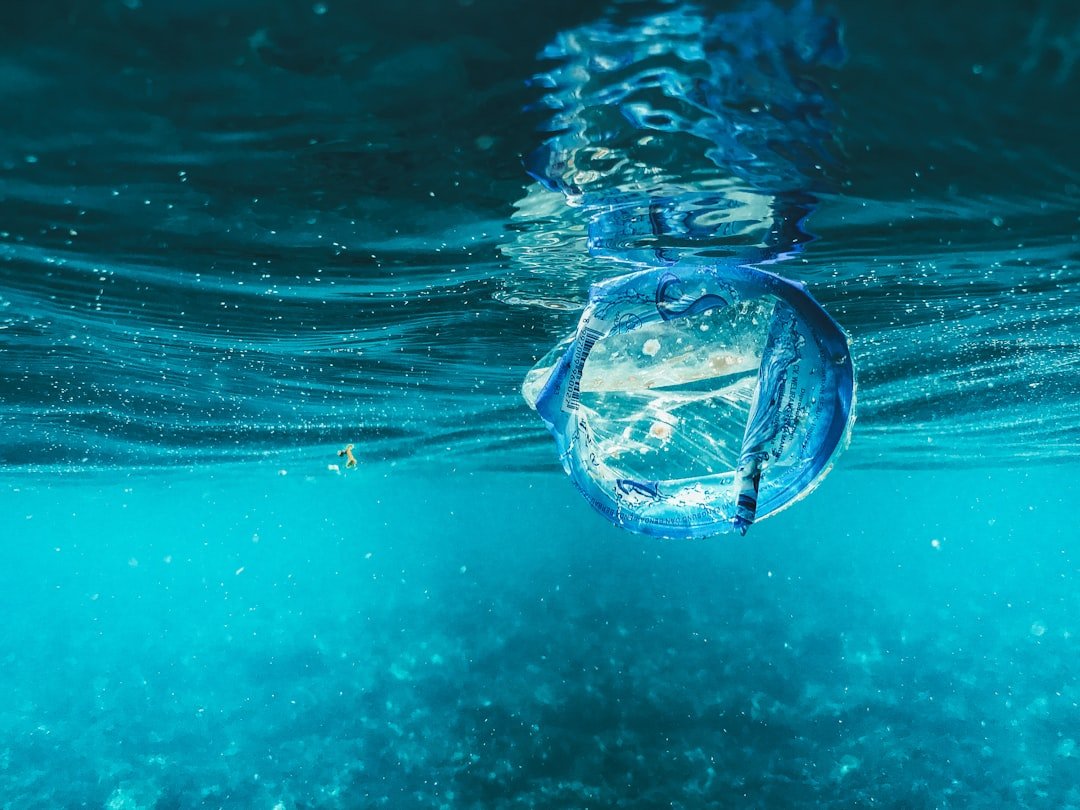
Plastic pollution solutions are more urgent than ever. Every year, millions of tonnes of single-use plastics choke our oceans and landfills. We need smart swaps that don’t just reduce waste but add beauty and function to everyday life. That’s where natural materials step in.
In this article, you’ll explore four standout innovations by Aegle Sriphal. From sturdy bamboo homeware to plantable pencils, each item fights plastic at the source. Ready to transform your routine and support true sustainability? Learn Plastic pollution solutions through Eco-Transformation: Aegle Sriphal’s Sustainable Product Initiative
The Plastic Pollution Predicament
We all know plastic waste is a problem. But how did we get here, and why do we need fresh plastic pollution solutions now?
- Over 350 million tonnes of plastic are produced annually.
- Less than 10% is recycled.
- Oceans see roughly 8 million tonnes of plastic waste each year.
Governments and organisations are rolling out standards for compostable plastics and dedicated recycling schemes. Yet, standards alone won’t fix our throwaway mindset. We need products designed to last, then biodegrade without a trace. That’s the sweet spot of natural materials like bamboo, jute and cork.
Why Natural Materials Matter
Natural fibres and woods grow back fast. They break down in home composts or industrial facilities. In contrast, conventional plastics linger for centuries. By swapping to bamboo or jute, you get stylish, sturdy items that vanish when they’ve outlived their use. That’s real plastic pollution solutions, one product at a time.
1. Bamboo Homeware: Sleek, Strong, Biodegradable
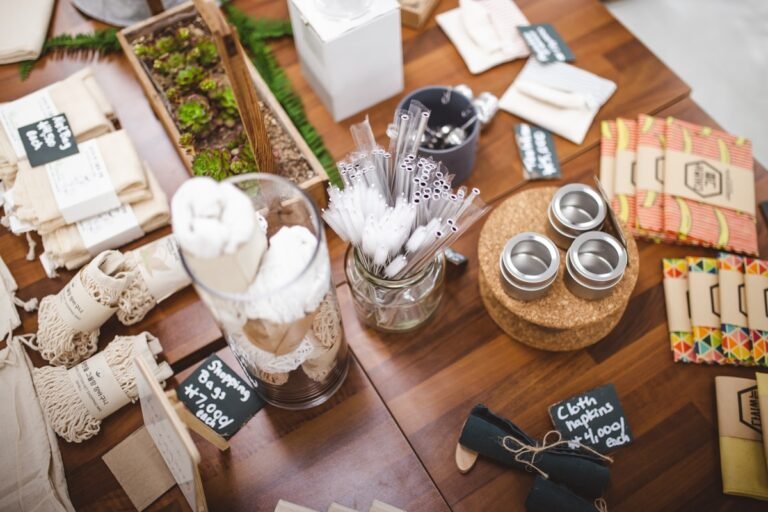
Bamboo has it all. It’s lightweight yet tough, and it regrows like wildfire. Aegle Sriphal’s bamboo homeware range includes plates, utensils and organisers that feel premium and last for years.
- Durability: Bamboo fibres are as strong as steel-reinforced plastics.
- Style: Natural grain adds a modern, earthy flair.
- Biodegradability: Home compostable in 6–12 months.
Swap plastic cutlery and disposable plates for bamboo trays and reusable utensils. You’ll see immediate cuts in your kitchen waste. Plus, bamboo farming uses far less water than cotton or other crops. It’s a top-tier plastic pollution solutions hack that looks great on your shelf.
2. Plantable Pencils: Write, Plant, Grow
Ever jotted a note then tossed the pencil stub? Aegle Sriphal’s plantable pencils solve that. Each pencil sports a seed capsule at its end. When it’s too short to use, you plant it in soil. Soon you’ll get herbs, wildflowers or even small veggies.
Why this matters for plastic pollution solutions:
- Zero waste: No more pointless stubs in landfill.
- Educational: Great for kids to learn about life cycles.
- Local impact: Seeds chosen for regional climates across India and South Asia.
Imagine writing your grocery list, then watching basil sprout from the same tool. It’s a small act, but multiply it by thousands of homes and you get a grassroots eco-revolution.
3. Jute Bags and Accessories: Durable and Stylish
Plastic carrier bags have become a global blight. Enter jute: a robust, biodegradable fibre that’s been used for centuries. Aegle Sriphal offers jute totes, backpacks and pouches that rival synthetic alternatives in strength.
Key benefits:
- Low water footprint: Jute farming uses minimal irrigation.
- Reusability: Strong enough for weekly supermarket runs.
- End-of-life: Fully compostable in about a year.
Switching to a jute shopper doesn’t just curb single-use plastic, it sparks conversations every time you step out. That’s how simple, tactile plastic pollution solutions cultivate wider awareness.
Discover Plastic pollution solutions from Aegle Sriphal
4. Cork Coasters and Kitchenware: Nature’s Underappreciated Treasure
Cork might seem niche, but it’s a powerhouse material. Harvested from tree bark without cutting trees down, cork renews itself naturally. Aegle Sriphal’s cork coasters, trivets and bottle stoppers are both chic and eco-friendly.
Advantages:
- Water-resistant: Ideal for kitchen or bathroom surfaces.
- Insulating: Keeps surfaces safe from heat or cold damage.
- Non-toxic: No glues or plastics in production.
Cork products are a quiet way to introduce plastic pollution solutions into your home. They last, they compost, and they remind us that nature often knows best.
Getting Started: How to Make the Switch
It all sounds great, but where do you begin? Here are quick steps:
- Audit your routine. Note every single-use plastic item you rely on.
- Prioritise swaps. Start with the kitchen: utensils, plates, storage.
- Choose products with transparent sourcing. Aegle Sriphal details the origin of every bamboo grove or jute field.
- Commit to care. Natural materials need gentle soap and drying; it’s part of the ritual.
- Share your journey. Show friends how easy it is to adopt plastic pollution solutions.
Small steps add up. Sharing a bamboo toothbrush or a plantable pencil at a gathering can spark curiosity—and change.
Conclusion: Small Swaps, Big Impact
Plastic pollution solutions don’t have to be boring or expensive. With bamboo homeware, plantable pencils, jute bags and cork kitchenware, Aegle Sriphal proves sustainability can be stylish, practical and locally rooted. Every swap you make cuts waste, boosts renewable agriculture and inspires others.
Ready to be part of the change? Start exploring Plastic pollution solutions with Aegle Sriphal