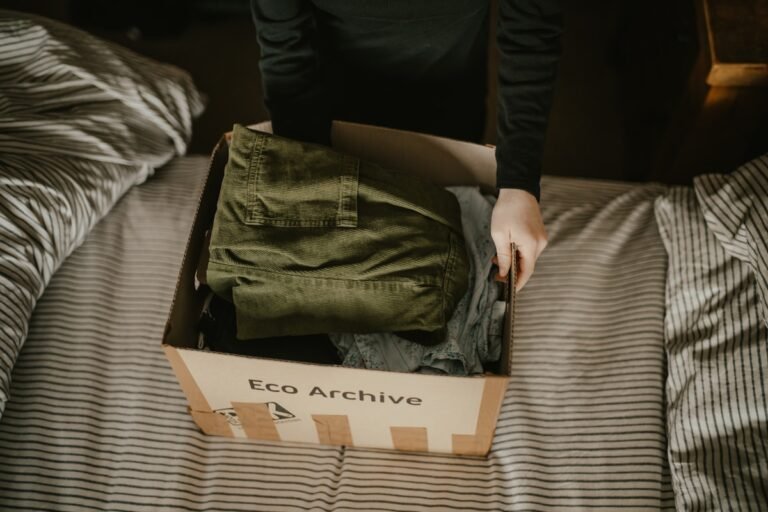
Sustainable fashion is no longer a niche concept in India. What was once limited to eco-conscious communities has now entered mainstream consumer behavior. From organic fabrics to ethical production, buyers are increasingly evaluating how their fashion choices impact the environment.
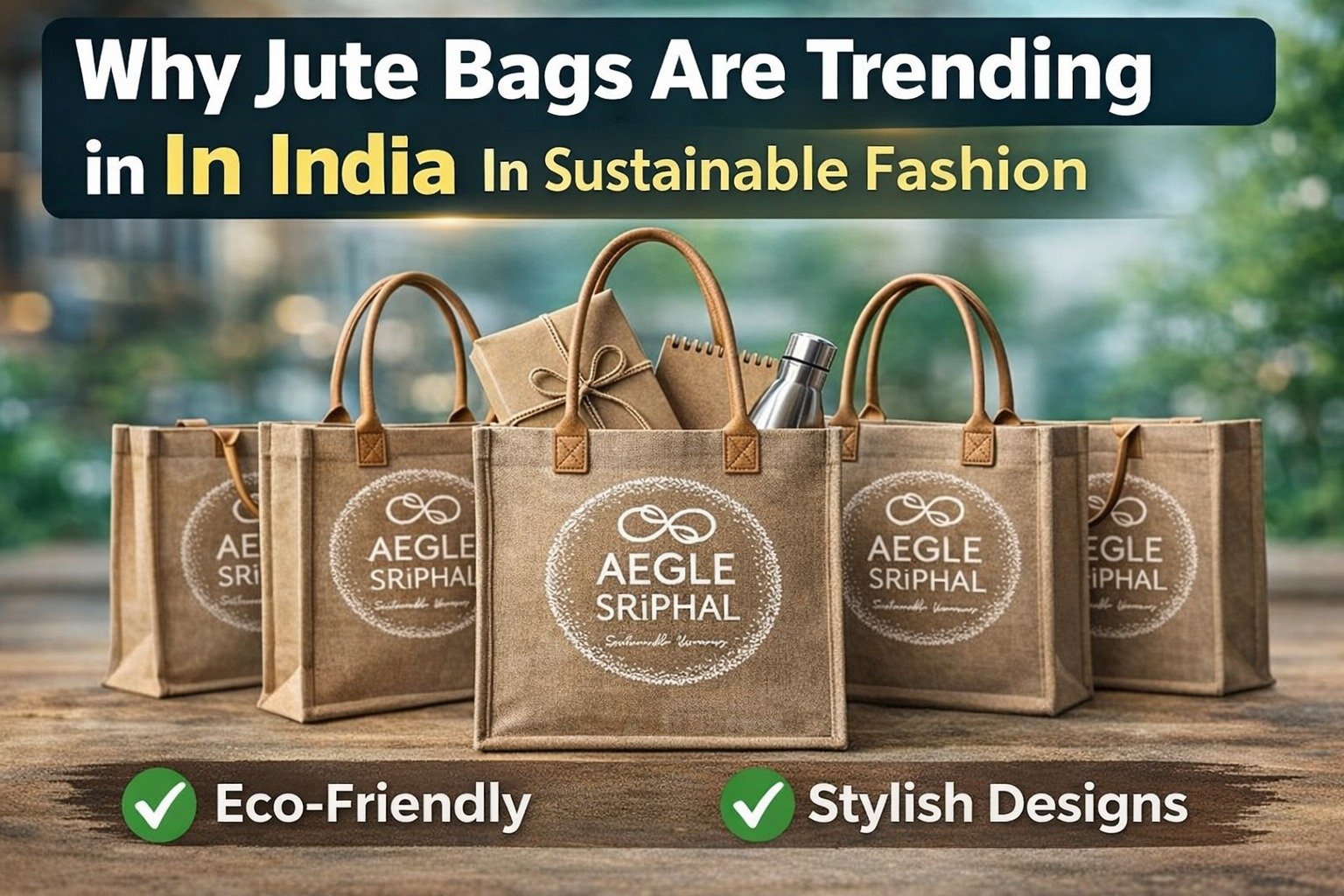
Among the many shifts happening in the fashion and accessories industry, jute bags are emerging as a strong trend in sustainable fashion in India. Once considered purely functional shopping sacks, jute bags have evolved into stylish, versatile, and eco-conscious accessories.
Let’s explore why this transformation is happening — and why jute is gaining popularity in modern Indian wardrobes.
The Rise of Sustainable Fashion in India
Indian consumers, especially millennials and Gen Z buyers, are becoming more aware of:
- Fast fashion waste
- Textile pollution
- Plastic microfibers
- Overconsumption
The fashion industry globally contributes significantly to carbon emissions and landfill waste. As awareness grows, demand for sustainable alternatives is rising.
Consumers are now looking for accessories that are:
- Durable
- Reusable
- Eco-friendly
- Ethically sourced
Jute bags fit perfectly into this new buying mindset.
From Utility to Style – The Evolution of Jute Bags
Traditionally, jute bags were used for agricultural storage or basic grocery carrying. Over time, innovation in design, printing, and stitching has transformed them into fashionable accessories.
Modern jute bags now feature:
- Minimalist designs
- Printed patterns
- Corporate-style finishes
- Structured shapes
- Reinforced handles
- Laminated interiors
They are no longer limited to market shopping — they are now carried to offices, cafes, exhibitions, and even casual outings.
Eco-Conscious Consumers Prefer Visible Sustainability
One reason jute bags are trending is that sustainability is visually identifiable.
Unlike synthetic materials that look similar to conventional products, jute has a distinct natural texture. When someone carries a jute bag, it visibly communicates environmental awareness.
In the era of conscious branding and personal values, this matters.
Consumers want their lifestyle choices to reflect responsibility — and jute bags offer that visible alignment.
Versatility in Daily Fashion
Jute bags are now being used as:
- Tote bags for office
- Casual carry bags for shopping
- Beach bags
- Travel organizers
- Festival gift carriers
- Promotional merchandise
Their neutral earthy tone pairs well with both traditional Indian attire and modern western outfits.
This adaptability increases their appeal in everyday fashion.
Sustainability Meets Practicality
Unlike many fashion trends that focus purely on aesthetics, jute bags combine style with functionality.
They offer:
- High load-bearing capacity
- Long lifespan
- Resistance to tearing
- Reusability
Fast fashion accessories often degrade quickly. Jute bags, when maintained properly, last significantly longer.
Durability makes them both fashionable and practical.
Supporting Ethical and Local Production
Sustainable fashion often emphasizes ethical sourcing and local production.
India’s jute industry supports:
- Rural farmers
- Traditional weaving communities
- Small-scale manufacturing units
When consumers choose jute fashion accessories, they indirectly support domestic industries and rural livelihoods.
This social sustainability dimension enhances their appeal.
Alignment with Anti-Plastic Movement
Plastic handbags and synthetic carry bags contribute heavily to environmental waste.
With increasing restrictions on single-use plastic in India, retailers and consumers are turning to eco-friendly packaging and accessories.
Jute bags align with:
- Plastic reduction goals
- Eco-conscious retail practices
- Sustainable event merchandising
Their role extends beyond personal fashion into responsible retail culture.
Influence of Corporate and Event Gifting
Corporate gifting and promotional events increasingly use jute bags as branded merchandise.
When consumers repeatedly see jute bags at conferences, exhibitions, and festivals, they become normalized as fashionable accessories.
Brand exposure accelerates adoption.
Cost-Per-Use Advantage in Fashion
Many fashion accessories are impulse purchases with limited lifespan.
Jute bags, by contrast:
- Provide long-term usability
- Replace disposable alternatives
- Offer better cost-per-use value
Consumers are beginning to prioritize value over fast consumption.
Addressing Common Fashion Concerns
Are jute bags too rustic for urban fashion?
Modern designs offer sleek finishes suitable for professional environments.
Are they heavy?
Jute bags are lightweight relative to their strength.
Do they look premium?
High-quality stitching and structured designs create a refined appearance.
The Future of Jute in Indian Fashion
As sustainable fashion grows in India, natural fibers will gain greater prominence.
Jute’s advantages:
- Renewable
- Biodegradable
- Durable
- Locally sourced
- Culturally rooted
These qualities position it strongly in the eco-fashion movement.
What began as a simple shopping alternative is now becoming a lifestyle statement.
Conclusion
Jute bags are trending in sustainable fashion because they represent more than just a carry solution. They combine environmental responsibility, durability, affordability, and visible sustainability.
In a country like India — where tradition meets modern consumer awareness — jute bridges heritage and contemporary values.
Fashion is evolving from fast consumption to conscious choices.
And jute bags are becoming an essential part of that transformation.
Frequently Asked Questions
Q1: Are jute bags considered fashionable today?
Yes. Modern designs make them suitable for office, casual, and event use.
Q2: Why are jute bags popular in sustainable fashion?
They are biodegradable, reusable, and visually communicate eco-conscious values.
Q3: Can jute bags replace synthetic handbags?
For daily casual use, yes. They provide durability and environmental benefits.
Q4: Are jute bags suitable for urban professionals?
Yes. Structured and printed variants work well in professional settings.
Q5: Is jute part of ethical fashion?
Yes. It supports rural farmers and local production systems.