A Green Revolution for Your Sofa
Picture this: you sink into your favourite armchair after a long day. The fabric feels smooth, the colours inviting. Yet beneath that comfort lies a hidden story of water-intensive dyes, synthetic fibres and landfill-bound waste. It’s time for a change. Enter sustainable upholstery fabrics, the eco-friendly upgrade your living space has been waiting for. This isn’t just fluff. It’s a real shift in how we think about home textiles, a practical move you can make today.
You’ll find out how traditional choices stack up against natural materials like jute and bamboo canvas. We’ll compare a popular competitor’s eco-performance fabric with the deeper benefits of 100% natural alternatives from Aegle Sriphal. Ready to refresh your décor and lower your footprint? Explore sustainable upholstery fabrics and join Aegle Sriphal’s Eco-Transformation Initiative
Understanding Sustainable Upholstery Fabrics
Sustainable upholstery fabrics are textiles designed and produced with minimal environmental harm. They often use:
- Natural fibres: cotton, hemp, jute, bamboo
- Recycled yarns: repurposed plastic bottles, reclaimed cotton
- Low-impact dyes: water-based, non-toxic pigments
- Ethical practices: fair wages, reduced water usage
Key advantages include:
- Reduced chemical load in your home
- Lower demand on water and energy
- Biodegradability at end of life
- Longer lifecycle thanks to robust natural weaves
By choosing sustainable upholstery fabrics you back a supply chain that values people and planet. No more hidden toxins or fast-fashion churn. Just honest, well-crafted textiles.
Why Traditional Upholstery Falls Short
Let’s face it, many mainstream fabrics look great. They come in every shade imaginable, resist stains and repel spills. Take a popular eco-performance rocking chair fabric. It boasts water repellence, easy-clean twill and 30% recycled polyester yarns. Sounds impressive, right? Yet beneath those specs you still have:
- Plastic-derived fibres that shed microplastics
- Chemical finishes whose full impact we don’t always know
- A production line that uses energy from non-renewable sources
This means you’re trading one problem for another. Sure, the chair resists stains and has GREENGUARD certification. But long-term it still ties us to petrochemicals and landfill waste. We need a deeper solution. A shift from “less bad” to “genuinely good”.
Aegle Sriphal’s Natural Material Advantage
Aegle Sriphal goes further than recycled polyester. Their approach centres on 100% natural materials and eco-friendly production methods. Here’s what you get:
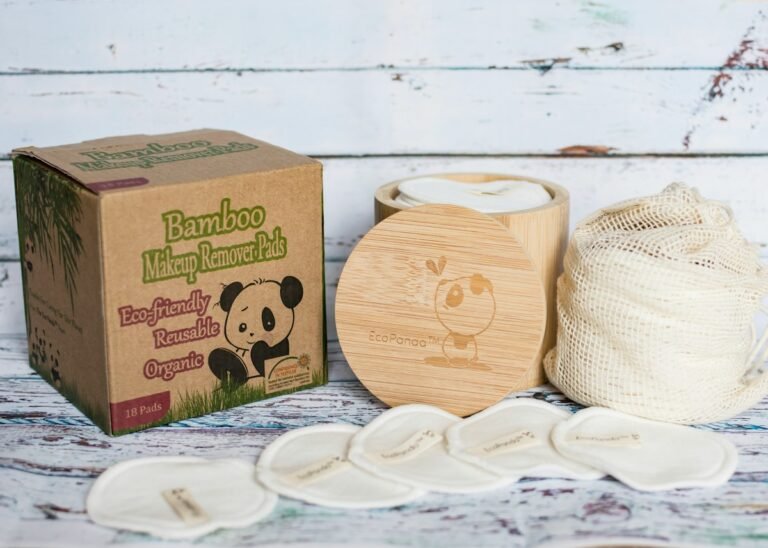
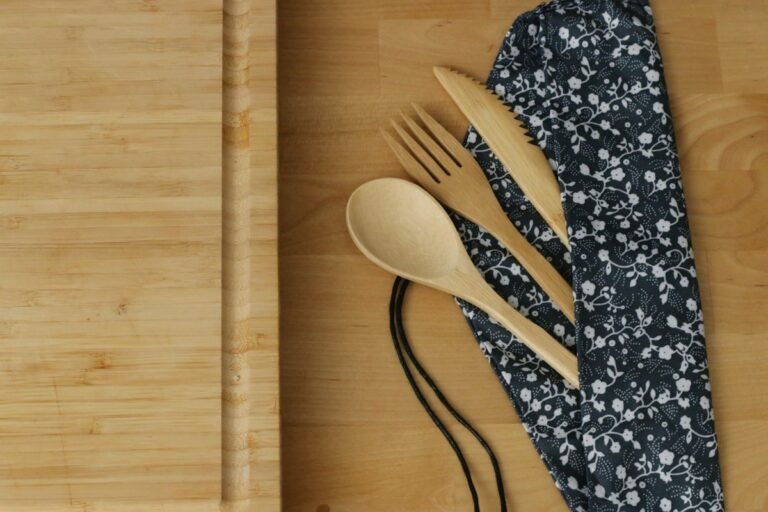
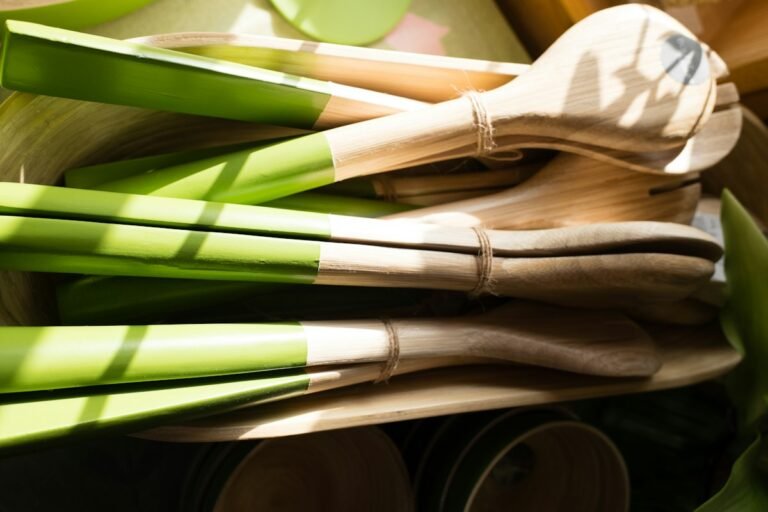
- Bamboo homeware: from chairs to cushion frames, crafted using fast-growing bamboo
- Jute cushion covers: hard-wearing, biodegradable and ethically harvested
- Plantable pencils: educational gifts that sprout herbs or flowers when you’re done
Why does this matter for upholstery? Because the same ethos applies. Imagine a jute lounge chair cover. It’s sturdy, breathable and compostable once it wears out. Or a bamboo canvas armchair slip-on that’s soft yet surprisingly durable.
Benefits at a glance:
- Zero petrochemical fibres
- Minimal dye and water footprint
- End-of-life composting or natural recycling
- Support for local artisans in South Asia
These are the kind of upgrades that truly shift your home towards sustainability.
Making the Switch: Practical Steps
Ready to swap your old fabrics for sustainable upholstery fabrics? Here’s how:
- Audit your furniture. Note which pieces you use most.
- Research natural options: bamboo canvas, recycled cotton blends, jute weaves.
- Order swatches. Feel the weave. Test for pet-friendly wear.
- Engage a local upholsterer. Many will work with eco-certified materials.
- Dispose responsibly: donate in good condition or compost natural fibres.
It’s not a one-day project. A phased approach means you can update one chair at a time. Your sofa cushions today, the dining-chair seats in six months. Step by step you build a fully green living room.
Midway through your journey you might ask: where do I source these fabrics? Aegle Sriphal offers curated natural textiles alongside their established bamboo homeware range. It’s a great starting point before diving into bespoke upholstering.
Transform your living space with sustainable upholstery fabrics from Aegle Sriphal
Beyond Fabrics: Expanding Eco-Friendly Home Essentials
Upholstery is just the beginning. When you invite natural materials into your home, you open the door to:
- Jute storage baskets that hold toys, throws or firewood
- Bamboo shelving units for zero-waste kitchen tools
- Plantable pencils in your office nook
- Organic cotton throws dyed with botanical pigments
A cohesive approach turns every room into a handshake with nature, not a farewell. Imagine the scent of bamboo furniture, the tactile grain of jute underfoot. These touches make your home memorable and truly sustainable.
Comparison: Eco-Performance vs Aegle Sriphal Natural Textiles
Let’s compare two approaches:
Eco-Performance Fabric (Competitor)
* 30–40% recycled polyester
Water repellent, stain resistant finish
GREENGUARD Gold certified
Synthetic core hidden in twill
Partial eco-claim, partial petrochemical reliance
Aegle Sriphal Natural Textiles
* 100% bamboo, jute or recycled cotton
No chemical finishes; relies on tight weave
Biodegradable and compostable
Locally crafted, fair trade principles
Transparent supply chain, minimal carbon footprint
Both perform. Both lower impact compared to high-PVC faux leathers. But only one fully commits to natural biodegradability and artisan empowerment. If you care about long-term soil health and local communities you choose natural.
Lifespan and Care Tips
High-quality sustainable upholstery fabrics last. They just require a slightly different routine:
- Vacuum gently; avoid harsh beater bars
- Spot-clean with mild soap and water
- Air in sunlight now and then to freshen
- Rotate cushions every few months
- Recycle unneeded scraps in home compost
These steps keep your fabrics singing for years. No toxic dry-cleaning needed.
Conclusion: A Leaf in Your Home
Switching to sustainable upholstery fabrics is a small act with big impact. You reduce plastic waste, back ethical producers and invite natural beauty into daily life. From bamboo homeware to jute-woven slip-covers, Aegle Sriphal covers every corner of your eco-journey.
Ready to make the change? Embrace textiles that honour people and planet. Let your sofa tell a story of renewal, not regret.
Upgrade to sustainable upholstery fabrics today with Aegle Sriphal