The Turning Point in Modern Daily Living
Plastic waste is choking our rivers, piling up in suburban landfills, and turning everyday convenience into a slow-moving ecological disaster. Most consumer items are manufactured with virtually zero regard for their lifecycles, leaving households trapped in a cycle of buy, trash, and regret. But walking away from single-use culture does not mean sacrificing convenience, functionality, or aesthetic charm. By introducing handcrafted, circular alternatives built from durable grass fibres, Aegle Sriphal is redefining household routines across South Asia, turning simple household items into everyday environmental statements.
To create genuine change, conscious living must move past marketing slogans and become an accessible, instinctive reality for every household. Exploring versatile Bamboo reusable products provides a direct, practical bridge away from disposable plastics, letting families invest in artisan homeware, educational stationery, and daily lifestyle essentials. By pairing completely natural materials with actionable community education, Aegle Sriphal demonstrates that making mindful choices can be practical, affordable, and durable.
The Single-Use Trap: Why Traditional Consumer Goods Fail Us
Look inside your kitchen cupboards or bathroom vanity right now. What do you see? Odds are, you will spot layers of synthetic packaging, petroleum-based cling films, plastic cutlery, and synthetic wipes destined for the bin after forty seconds of use.
For decades, global retail giants sold us convenience at the expense of our own ecosystems. Millions of tonnes of plastic flood our waterways annually, disintegrating into microscopic particles rather than actually degrading. While standard recycling schemes sound good on paper, municipal facilities across developing and developed regions simply cannot keep up with processing volumes. The math does not work; the system is fundamentally broken.
Beyond the sheer volume of rubbish, mass-produced items carry hidden toxic chemicals like phthalates and BPA, which leach into our food, tap water, and domestic living spaces. Moving toward sustainable alternatives is no longer just a trend for activists; it is an urgent public health and environmental priority. Households deserve goods that do not leave behind toxic footprints for centuries to come.
(Analysing our daily footprint reveals the startling truth behind single-use culture.)
Comparing Modern Paths: Direct-to-Consumer Swaps vs Holistic Community Action
When people decide to ditch single-use plastics, they often look at commercial, direct-to-consumer alternatives. Brands like Beco (Let’s Beco) have done noticeable work popularising plant-based items across urban hubs. They supply bamboo tissues, plant-based surface cleaners, and zero-waste personal hygiene kits via convenient subscription packages.
These consumer-facing direct services certainly help make green buying easier. However, pure e-commerce convenience has distinct limitations. Simply replacing traditional items with green disposables can sometimes treat symptoms while overlooking deeper lifestyle habits. Subscription boxes of disposable tissues and chemical-free cleaners do not necessarily address waste management infrastructure, nor do they teach children the intrinsic value of nature.
| Feature / Philosophy | Standard Commercial DTC Brands (e.g., Beco) | Aegle Sriphal Eco-Transformation |
|---|---|---|
| Core Material Source | Commercial bamboo pulp & plant extracts | 100% natural bamboo, wild jute & plantable materials |
| Product Lifespan | Mostly compostable single-use consumables | Long-lasting reusable goods & closed-loop designs |
| Educational Integration | Digital lifestyle marketing & newsletters | Grassroots schooling, plantable stationery & workshops |
| Artisan Support | Industrial manufacturing facilities | Traditional handcrafting & regional craft revitalisation |
| Target Geography | Broad urban commercial markets | Focused community impact in India & South Asia |
Aegle Sriphal approaches sustainability from a deeper, community-centred angle. Rather than viewing consumers as mere subscription holders, the initiative focuses on long-term education, authentic local employment, and functional durability. Instead of simply buying disposable paper rolls, families adopt long-lasting, artisan-crafted tools that slash demand for single-use goods at the source. If you want to dive deeper into practical zero-waste strategies, check out our guide on practical bamboo solutions for zero waste living.
Why Bamboo and Jute Form the Bedrock of South Asian Sustainability
Nature has already designed the ultimate sustainable raw materials. We simply stopped paying attention to them during the synthetic plastic boom of the mid-twentieth century.
Bamboo is actually a fast-growing grass, not a timber tree. Some species grow upwards of ninety centimetres in a single twenty-four-hour cycle without synthetic pesticides, chemical fertilisers, or irrigation systems. Because harvesting bamboo leaves its root cluster completely intact, the plant regrows immediately, stabilising fragile riverbank soil and preventing erosion during intense monsoon seasons.
Jute, often known as the “golden fibre”, matches bamboo in environmental benefits:
* Needs minimal fertiliser or synthetic crop protection.
* Absorbs massive amounts of carbon dioxide while releasing oxygen during cultivation.
* Yields strong, moisture-tolerant, fully biodegradable fibres.
* Naturally enriches topsoil quality for subsequent crop rotations.
By embracing these regional fibres, Aegle Sriphal leverages abundant local resources to create goods that are naturally antibacterial, durable, and naturally compostable at the end of their useful lives.

Designing for Daily Life: Innovation Meets Artisan Craft
A sustainable swap only works if you actually enjoy using it. If a wooden fork breaks during lunch or a reusable cup imparts a strange chemical taste, people immediately retreat to cheap single-use plastics.
Aegle Sriphal solves this friction point through meticulous design and traditional craftsmanship. Take their plantable pencils, for example. Instead of throwing away a wooden stub when it gets too short to write with, you push the end into moist soil. Embedded with non-GMO herb or flower seeds, the stub sprouts into fresh greenery within weeks. Suddenly, writing a note turns into a hands-on botany lesson for children and adults alike.
From smooth bamboo homeware to resilient jute shopping totes, these products balance modern ergonomics with organic aesthetics. When dining, having reliable utensils makes low-waste living simple; explore our article covering sustainable bamboo tableware for mindful homes to see how durable materials change our table settings.
Choosing durable Bamboo reusable products helps you break away from throwaway kitchen culture, turning mundane tasks into mindful, plastic-free rituals that support regional artisan communities.
Education First: Changing Mindsets Across Communities
Real ecological transformation requires more than selling consumer items; it demands continuous education. You cannot purchase your way out of a climate challenge. Meaningful shifts happen when people understand why their daily choices matter.
Aegle Sriphal actively partners with schools, colleges, non-governmental organisations, and corporate offices across South Asia. Through experiential workshops, participants learn about practical waste segregation, the physics of home composting, and the devastating impact of microplastics on urban water reserves.
These B2B and institutional collaborations spark real grassroots enthusiasm:
* Primary and secondary schools use plantable pencils and recycled craft supplies to teach children environmental science through active gardening.
* Corporate workplaces swap petroleum-based event giveaways and plastic stationery for bespoke bamboo desk kits, immediately lowering office landfill contributions.
* University student societies run plastic audit campaigns, challenging dining facilities to replace disposable takeaway trays with natural alternatives.
By anchoring products in educational programmes, Aegle Sriphal cultivates long-term environmental advocates rather than passive consumers. To read more about transforming family routines, review our feature on reusable bamboo products for everyday living.
Overcoming Obstacles: Cost Realities vs Genuine Long-Term Value
Let us address the elephant in the room: natural, handcrafted products often carry higher upfront costs than mass-produced plastic items.
A pack of thirty plastic forks costs next to nothing because petrochemical industries benefit from historic global subsidies, cheap synthetic polymers, and highly automated manufacturing lines that ignore environmental damage. Handcrafted goods, by contrast, demand fair artisan wages, conscious agricultural sourcing, and responsible shipping practices.
When you examine the real lifespan of durable goods, the economics balance out quickly. A set of bamboo cutlery lasts for years, eliminating the constant need to buy disposable utensils. A sturdy jute shopping tote easily replaces hundreds of thin plastic carry bags that tear after one trip. Conscious consumers quickly realise that buying durable quality once is far cheaper than funding continuous disposable waste.
Actionable Tips for Transitioning to a Low-Waste Lifestyle
Transforming your home does not require ditching everything you own overnight. In fact, throwing away usable plastic containers just to replace them with eco-friendly alternatives defeats the entire purpose of sustainability.
Try adopting this steady, stress-free routine instead:
- Conduct a Quick Bin Audit: Look at what you throw away most frequently. Is it takeaway cutlery, plastic water bottles, or synthetic cleaning wipes? Target that single category first.
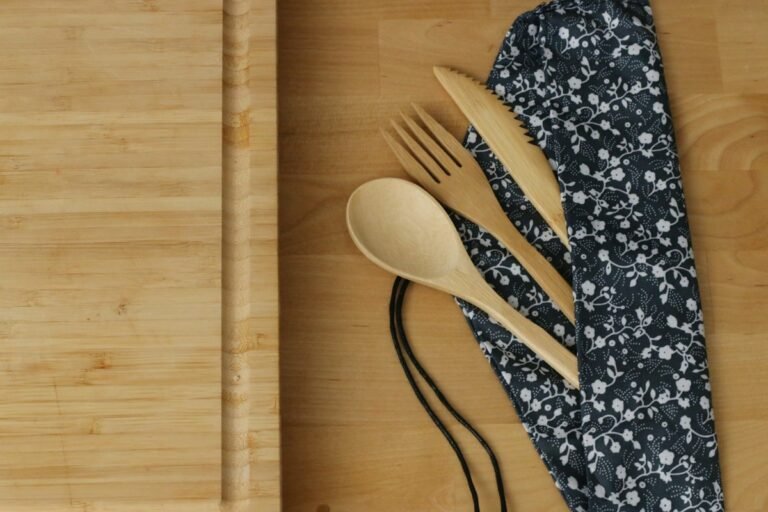
- Carry an Out-and-About Kit: Keep a compact roll of bamboo utensils, a reusable napkin, and a stainless steel or bamboo beverage container in your daily work bag.
- Upgrade as Things Wear Out: When your existing plastic toothbrush or hairbrush reaches the end of its life, replace it with a compostable bamboo version.
- Choose Dual-Purpose Items: Look for items like plantable pencils that serve a daily purpose and actively contribute back to your local garden soil.
- Support Local Repair and Craft: Prioritise items handmade from indigenous natural materials over cheap synthetic imports shipped across continents.
Small, persistent actions practiced by thousands of conscious households create far more systemic change than sporadic perfection by a few.
Empowering Tomorrow’s Sustainable Landscapes
Our collective environmental challenge is undeniable, but practical solutions are readily available right in our back gardens. Moving away from single-use plastics is entirely possible when we embrace renewable, plant-based materials and support the artisans who shape them. Aegle Sriphal proves that practical living, thoughtful design, and dedicated community education can reshape how an entire region approaches everyday consumption.
It is time to look beyond marketing fads and invest in everyday goods that safeguard our soils, honour our artisan traditions, and support clean waterways. Making the conscious swap to durable Bamboo reusable products allows your household to play an active, vital role in creating a cleaner, more resilient world today.