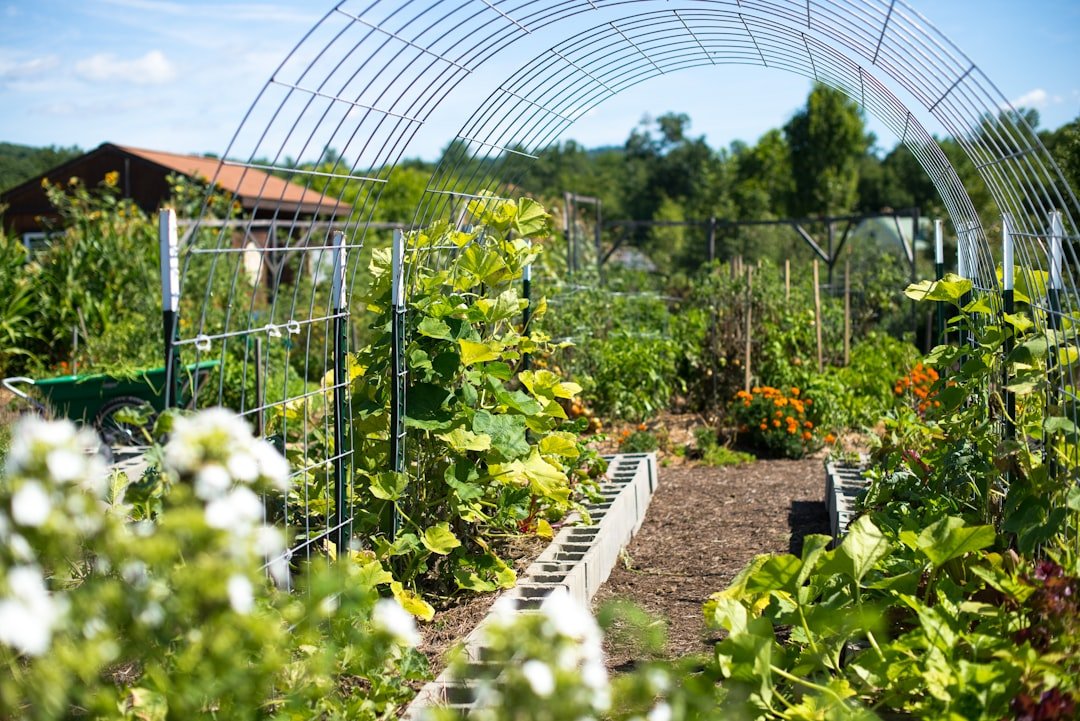
Introduction: Embrace Natural Pest Defence with Organic Gardening Tips
Imagine stepping into your garden, breathing in fresh air and greeting robust vegetables—without the lingering worry of harmful chemicals. Pest control doesn’t have to mean toxic sprays, irritated skin or stale indoor atmospheres. You can keep those unwelcome critters at bay using simple, all-natural methods that respect the health of your family and the planet.
In this guide, you’ll find three proven eco-friendly pest control methods that work wonders in both your home and garden. We’ll dive into natural repellents, insect-deterrent plants and living pest predators, all while weaving in smart organic gardening tips to help you cultivate a thriving green space. Ready to take your next steps? Organic gardening tips: Eco-Transformation – Aegle Sriphal’s Sustainable Product Initiative offers insights and tools—like bamboo planters and plantable pencils—to make your garden a chemical-free haven.
1. Harness Natural Repellent Ingredients
One of the quickest ways to kick pests out is by whipping up your own natural sprays. You probably have most of these ingredients in your kitchen cupboard already. Here’s how to turn them into potent insect repellents.
Essential Oils That Pack a Punch
Essential oils aren’t just for diffusers—they make brilliant bug deterrents. Mix them with water in a spray bottle, then mist around windowsills, doorways or young seedlings.
- Eucalyptus: Keeps flies and cockroaches at bay.
- Citronella: A classic mosquito blocker.
- Peppermint: Ants and spiders hate the minty blast.
Sprinkle in a dash of dish soap for extra cling. Shake well and spray. You’ll notice fewer creepy crawlies in hours, not days.
Coffee Grounds: The Kitchen’s Secret Weapon
Coffee does more than fuel your morning. Its strong aroma masks scents that attract ants, slugs and snails. Reuse those spent grounds:
- Run your coffee maker twice on the same grounds.
- Spread the damp grounds on a baking tray and dry them in a low-temp oven.
- Once cool, scatter them around garden beds, baseboards or between paving stones.
It’s an organic gardening tip you can set and forget until the next brew.
Quick Tips for Homemade Sprays
- Label each bottle clearly—peppermint spray can irritate pets if misapplied.
- Test on a small leaf patch before a full-scale garden spritz.
- Reapply after rain or heavy watering.
These homemade repellents are safe, affordable and perfect for families keen on organic gardening tips that don’t rely on chemical cruelties.
2. Grow Pest-Repellant Plants
Turn your borders into bug-free zones by planting species that insects detest. This method blends beauty, aroma and real pest defence—all part of savvy organic gardening tips.
Top Insect-Deterrent Plants
- Lavender: Irresistible to humans, repulsive to moths and flies.
- Marigolds: Emit pyrethrum compounds that ward off nematodes.
- Citronella grass: Effective mosquito repellent in pots or beds.
- Rosemary: Keeps carrot flies, cabbage moths and bean beetles under control.
- Basil & Mint: Both deter mosquitoes and flies; great in herb gardens.
- Sage: Repels cabbage moths and beetles.
Group these in clusters for a fragrant fortress around sensitive plants.
Combine with Sustainable Planters
For a truly eco-friendly setup, try Aegle Sriphal’s bamboo homeware planters. They’re sturdy, naturally rot-resistant and make planting herbs a breeze. A well-placed basil in a bamboo pot not only looks chic but follows top organic gardening tips by reducing plastic waste.
Low-Maintenance Layouts
- Use companion planting: Pair basil with tomatoes to repel aphids.
- Rotate your pest-repellant plants annually to avoid soil fatigue.
- Interplant marigolds among veg rows to cut down root pests.
Hungry pests don’t stand a chance.
Get more organic gardening tips from Aegle Sriphal’s green living range
3. Introduce Biological Controls
Sometimes you need to call in reinforcements. Biological controls use living organisms to tackle pest populations. It’s a natural balance game—predators, parasitoids and pathogens all have your back.
Predators: Nature’s Cleanup Crew
Encourage or introduce beneficial insects in your garden:
- Ladybugs: Voracious aphid eaters.
- Green lacewings: Feast on caterpillars and whiteflies.
- Predatory mites: Target spider mites on fruit and ornamentals.
Provide water sources and pollen plants so these allies stick around.
Parasitoids: The Stealth Tactics
Parasitoids lay eggs in or on pest insects, effectively controlling future generations:
- Aphelinid wasps: Attack scale insects and whiteflies.
- Tachinid flies: Target caterpillars and stink bugs.
These tiny warriors perform in the background, helping you stay ahead of infestations.
Pathogens: Microbial Pest Busters
Micro-organisms can also play a role:
- Bacillus thuringiensis (Bt): A bacteria that disrupts caterpillar digestion.
- Nematodes: Tiny worms that invade grubs and soil pests.
- Fungal agents: Spores that infect and kill mosquitoes and aphids.
Most garden centres stock Bt sprays or nematode sachets that integrate seamlessly with your organic gardening tips regimen.
Tips for Success with Biological Controls
- Introduce in the evening to avoid UV damage on delicate organisms.
- Keep humidity moderate—too dry or too wet can hamper survival.
- Combine with other methods for peak effectiveness.
Bringing in these living helpers turns your garden into a self-regulating ecosystem.
Final Thoughts: Cultivate a Chemical-Free Oasis
Switching to eco-friendly pest control is easier than you think. By combining homemade repellents, insect-deterrent plants and beneficial organisms, you embrace a holistic approach that’s as kind to wildlife as it is to your vegetables. Plus, you’ll pick up plenty of organic gardening tips along the way.
At Aegle Sriphal, sustainability is at our core. From plantable pencils that sprout herbs to bamboo homeware that lasts for years, our products empower you to nurture a greener tomorrow. Ready to bid farewell to toxic sprays and hello to a vibrant, healthy garden?
Embrace organic gardening tips with Aegle Sriphal’s Sustainable Product Initiative