India’s New Dawn in Plastic Reform: A Quick Overview
India has taken a bold leap towards reducing environmental harm by rolling out a comprehensive policy to phase out single-use plastics. From retail bags to takeaway cutlery and beverage bottles, the policy aims to shift consumption patterns and supply chains towards durable, reusable, or locally compostable options. This isn’t just a regulatory tweak; it’s a full-scale push to reshape how businesses, communities, and consumers interact with everyday products.
The ripple effects are already visible. With manufacturers scrambling to comply and conscious buyers seeking eco-friendly choices, sustainable brands are stepping up. If you’re exploring single-use plastic alternatives, this is your moment to discover solutions that blend functionality with environmental stewardship. Explore single-use plastic alternatives with Aegle Sriphal’s Sustainable Product Initiative
Understanding India’s Single-Use Plastics Policy
The Why Behind the Policy
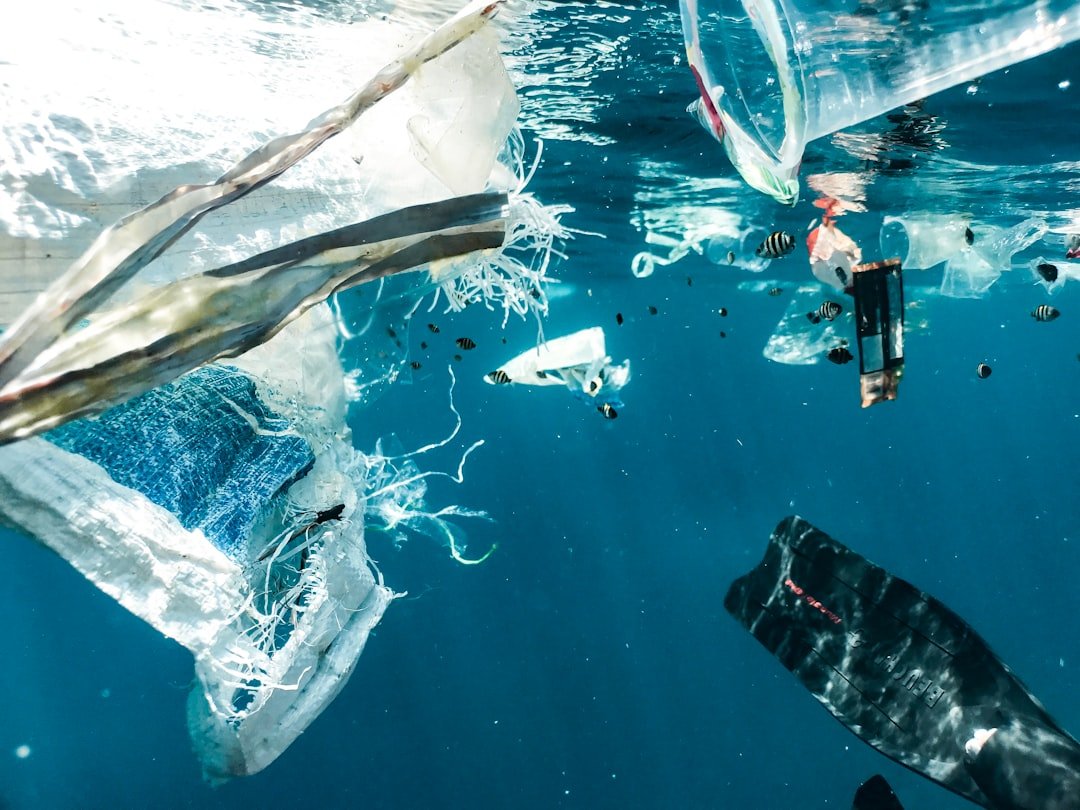
Single-use plastics are a global menace. They clog oceans, harm wildlife, and leach toxic chemicals into soil and waterways. India’s coastal communities and rivers bear the brunt, threatening livelihoods and human health. The new regulations respond to growing alarm over:
- Overloaded landfills
- Microplastics in food chains
- Clogged drainage systems worsening floods
By targeting common culprits—bags, cutlery, straws, cups and bottles—the policy seeks to cut waste at its source.
Key Elements of the Regulation
India’s framework echoes best practices seen on campuses like UCLA, which banned single-use plastics and replaced them with reusables and locally compostable items. India’s approach includes:
Ban Phases
– Phase 1: Retail plastic bags and disposable cutlery
– Phase 2: Foam packaging and single-use plates/cups
– Phase 3: Bottles, sachets, and multilayered pouchesReusables First
Durable products, like metal tumblers or bamboo cutlery sets, get priority over any disposable items.Compostables Next
Where reuse isn’t feasible, only 100% fibre-based compostables are allowed, excluding many PLA or bioplastic options that fail local composter standards.Enforcement & Exemptions
– Local authorities monitor compliance.
– Temporary exemptions for essential medical or safety use.
Lessons from Global Peers
UCLA’s Single-Use Plastics Policy demonstrated that a clear hierarchy—reduce, reuse, compost—can cut campus plastic waste dramatically within a few months of enforcement. India can leverage these insights to:
- Build resource guides for institutional buyers
- Offer clear definitions of “reusable” and “locally compostable”
- Provide flowcharts for water and beverage dispensing upgrades
Driving Demand for Sustainable Alternatives
Cutting plastic consumption is impossible without offering real choices. That’s where companies like Aegle Sriphal come in, with a suite of eco-friendly bamboo and jute products tailored to replace everyday disposables.
Why Bamboo and Jute?
- Rapid Renewability: Bamboo can grow up to a metre a day. Jute is harvested annually with minimal fertiliser needs.
- Biodegradability: Unlike plastics, these materials break down harmlessly in soil or compost.
- Versatility: From straws to tote bags, they suit many applications.
Market research suggests the global green products market will hit $300 billion by 2025, with Asia accounting for a big slice. In India alone, sustainable goods are projected to reach $50 billion by 2023. That’s a huge tide lifting eco-friendly ships.
Aegle Sriphal’s Offerings
Aegle Sriphal has capitalised on this momentum by designing:
- Bamboo Homeware: Cutlery sets, trays and plates that look stylish and wash easily.
- Jute Tote Bags: Durable, colourful carriers that toss into compost at end of life.
- Plantable Pencils: Made with bamboo shafts; once too short to use, you plant them and grow herbs.
- Reusable Straws: Smooth bamboo tubes, cleaned in seconds.
These products tick every box in India’s waste hierarchy: they reduce reliance on disposables, promote reuse, and ultimately compost or biodegrade.
How SMEs Can Pivot to Sustainable Choices
Small and medium enterprises (SMEs) are vital to India’s plastic economy. Here’s how they can transition:
- Conduct a Plastic Audit: Identify all single-use items you currently use.
- Partner with Local Producers: Aegle Sriphal serves B2B clients, offering bulk discounts on bamboo cutlery and jute packaging.
- Train Staff & Clients: Host quick workshops or share digital flyers on the benefits of reusable alternatives.
- Label & Promote: Highlight eco-friendly offerings on menus, websites and event materials.
- Monitor & Report: Track plastic use monthly to measure improvements and report to stakeholders.
By adopting these steps, SMEs not only comply with regulations but also tap into a growing market of conscious consumers willing to pay a slight premium for sustainability.
Overcoming Barriers: Cost and Infrastructure
Cost remains a sticking point. Bamboo and jute products can be pricier upfront than plastic. Here’s how businesses can manage:
- Lifecycle Costing: Compare one reusable tray’s cost over a year versus thousands of disposable plates.
- Bulk Orders: Buying in volume cuts unit cost by up to 40%.
- Shared Utilities: Partner with neighbourhood cafés to share water-dispensing points and compost bins.
- Government Incentives: Some states offer subsidies for enterprises that adopt green packaging.
Infrastructure, like composting facilities or water refill stations, is improving in urban centres. SMEs can collaborate with local councils or community NGOs to accelerate installation and awareness.
In parallel, consumers keep an eye out for real alternatives. If you’re still hunting for credible bamboo or jute solutions, Discover how single-use plastic alternatives can transform your business
Community Engagement and Long-Term Impact
Real change happens at a grassroots level. Aegle Sriphal engages with schools, universities and NGOs across India:
- Workshops: Hands-on sessions on making plantable pencils and upcycling jute.
- Campus Drives: Zero-waste events where plastic is swapped for bamboo or jute freebies.
- Social Media Campaigns: #GreenTogether challenges that spur user-generated content.
These efforts build a movement, not just a market. Over time, they can reshape cultural norms around single-use items, embedding sustainability into daily life.
Looking Ahead: Policy Momentum and Market Growth
With enforcement ramping up, we expect:
- More states to adopt stringent plastic bans.
- Surge in local manufacturing of bamboo and jute goods to meet demand.
- Investment in composting and recycling infrastructure.
- Collaboration across sectors—hospitality, retail and events—to share best practices.
This growth trajectory favours companies rooted in authenticity and ethical sourcing. Aegle Sriphal’s transparent supply chain and eco-friendly production give it an edge, ensuring that when regulations tighten, their offerings remain in lockstep.
Conclusion: Seizing the Opportunity for Change
India’s single-use plastics policy is more than a ban—it’s a catalyst for sustainable innovation. Businesses that embrace single-use plastic alternatives now will not only meet compliance but also win customer loyalty and reduce long-term costs. From SMEs to large institutions, the path forward lies in durable, compostable and locally sourced solutions.
Ready to make the shift? Join the eco-transformation and adopt single-use plastic alternatives today
By aligning policy, market demand and community action, India can lead a global movement away from disposable culture and towards a circular, resilient future.