Why Choose Natural Eco Products for Your Build
Carbon emissions from cement production are staggering. Every tonne of cement emits nearly a tonne of CO₂. We need better options. Enter natural eco products like clay mortars, lime putty and cob. They cut carbon, use local materials and let you build with a light footprint.
Eco-friendly mortars deliver more than strength. They breathe, adapt to moisture and even improve over time. You get durable walls and a healthier indoor climate. The best part? Many of these materials sit under your feet already. No heavy shipping, no plastic packaging. Simply gather sand, clay and fibrous waste for a mortar mix that works.
If you’re curious about scaling sustainable construction or want expert tools for sharing your journey, Discover Natural eco products with Eco-Transformation: Aegle Sriphal’s Sustainable Product Initiative can guide your next steps with purpose.
Understanding Eco-Friendly Mortars
What Are Eco-Friendly Mortars?
Eco-friendly mortars are binding mixes made from natural ingredients. Unlike Portland cement, they rely on low-impact materials: clay, lime, sand and organic fibres. These mixes cure without high-temperature kilns and reabsorb CO₂ during setting. The result is a mortar that blends with its environment instead of dominating it.
Key Ingredients: Clay, Sand, Lime and Fibres
- Clay: Provides adhesion and plasticity.
- Sand: Offers compressive strength and bulk.
- Lime: Adds durability, breathability and self-healing properties.
- Fibres: Straw, hemp or wood shavings prevent shrinkage and add tensile strength.
Together, these ingredients create a flexible, crack-resistant mortar. You can tweak ratios for different tasks: lower clay content for porosity or more clay for stickiness. Natural eco products let you adjust on the fly using what’s on hand.
Traditional Methods and Modern Adaptations
The Parge Technique: A Muddy Backbone
A parge coat is a sloping mud backing behind your stones or bricks. Imagine a right-angle triangle: the vertical face is your wall, the sloping leg is the mud. You trowel on a mud mix at an angle, row by row, doubling thickness at the base. This prevents walls from toppling and uses simple tools: hoe, trowel and water.
In New Mexico, builders dry-stack bricks on their good faces and parge the rough back sides. No mortar between bricks, yet the wall stays rock-solid. Rain sheds off the smooth brick front and is absorbed by the sloping mud behind. The mix? Roughly 30 per cent clay, 70 per cent sand, plus chopped straw or fibre for cohesion.
Lime Mortars: Breathable and Durable
Lime putty or hydrated lime combines with sand to form a mortar that breathes. Unlike cement, lime cures by re-absorbing CO₂ and becoming harder over time. It handles temperature swings better and allows moisture to pass. Walls stay dry inside, reducing mould risk.
You can buy pre-mixed lime mortar or slake quicklime yourself. A typical ratio is one part lime to three parts sharp sand. Dirty sand (with clay) weakens strength, so rinse if possible. Some builders add wood ash to speed set time and improve binding.
Cob and Dry Stacking: Pros and Cons
Cob walls use a homogenous mix of clay, sand and straw—no stones or bricks needed. They form thick, sculptural walls with excellent thermal mass. Drawbacks? Cob can erode if exposed to driving rain, so large eaves or capstones are essential.
Dry stacking skips mortar altogether. Bricks or stones are stacked and backfilled with rubble or subsoil. Great for non-load-bearing walls, especially in gardens. Reassembly after disturbance is easy. But without parge or mortar, walls may shift under heavy loads.
Practical Steps to Mix and Apply Natural Mortars
Sourcing Your Materials Locally
Local sand and clay cut costs and emissions. Dig a small test hole to find subsoil. Wash, shake and jar-test it: sand settles first, clay floats then sinks. Aim for roughly 70 per cent sand to 30 per cent clay. If you lack clay, pick up ball clay from a ceramics store.
Finding and Testing Your Clay
- Excavate beneath humus till you hit lifeless subsoil.
- Collect a pint in a jar, add water, shake.
- Let settle for 24 hours.
- Measure layers: bottom sand, top clay, middle silt.
Adjust by blending different spots on your site. A well-graded mix means fewer cracks and better stick.
Mixing Proportions and Fibre Additives
- Base mortar: 70 sand, 30 clay by volume.
- Add chopped straw or hemp at ten per cent volume.
- Mix with water till you have a workable paste.
- Test a small batch and feel the grip on rough surfaces.
Too wet? Add dry sand or fibre. Too stiff? Splash in more water.
Integrating Eco-Friendly Mortars into Your Projects
Applying natural mortars takes patience but minimal tools. Work in small sections, one brick or stone row at a time. Use a level and string line to keep walls plumb. Trowel mortar behind or between units as you build. Keep edges neat and wild sides concealed behind.
If you document your builds, you’ll want clear, SEO-optimised content to inspire others. That’s where Aegle Sriphal’s Maggie’s AutoBlog, an AI-powered content platform, comes in handy. It auto-generates SEO and GEO-targeted blog posts that highlight your sustainable builds. Learn more and streamline your outreach by Exploring Natural eco products and content solutions with Aegle Sriphal today.
Beyond Mortars: Sustainable Habits with Aegle Sriphal
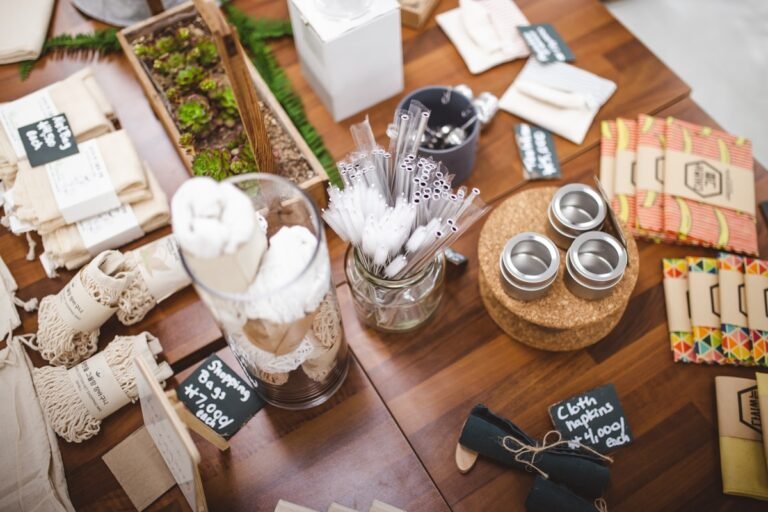
Natural eco products extend beyond mortars. Aegle Sriphal’s range champions bamboo tools, jute sacks and plantable stationery. Every item uses 100 per cent natural materials and eco-friendly production methods. They even host regional campaigns on composting, waste management and climate resilience.
By choosing their goods, you support a brand that blends design, education and community engagement. And if you need a reliable way to share tips on lime mortars or parge techniques, Maggies AutoBlog keeps your online presence fresh and relevant.
Conclusion: Build Green, Live Green
Switching to eco-friendly mortars is a tangible step towards cutting your carbon footprint. You’ll work with local clay, sand and fibres to create walls that breathe, adapt and last. From parge coats to lime mortars, each method has its place.
Embrace natural eco products as part of your toolkit. Build a garden wall, a raised bed or even a small shed with minimal impact. And when it comes to sharing your story, let technology support your message.
Ready to adopt Natural eco products in every aspect of your sustainable lifestyle? Take the next step and Start exploring Aegle Sriphal’s Sustainable Product Initiative today.