The Shift Towards Toxin-Free Living: Why Your Home Needs Conscious Essentials
Most households are overflowing with hidden synthetic materials. From cheap plastic containers in the kitchen to synthetic decor pieces gathering dust in the living room, modern living has slowly disconnected us from nature. Making the switch to a healthier home environment does not mean overhauling your entire life overnight. By focusing on sustainable lifestyle essentials, you can gradually replace toxic, fast-consumer goods with durable, earth-friendly alternatives that look stunning and stand the test of time.
If you are ready to curate a living space built on mindfulness and durability, discovering Eco-Transformation: Aegle Sriphal’s Sustainable Product Initiative provides a clear roadmap for upgrading your space without harming the planet. Sustainable living is not just a trend: it is an intentional choice to reduce waste, lower your environmental footprint, and bring the grounding warmth of raw, natural textures back into your daily routine.
Rethinking Modern Living Spaces: Plastic vs Natural Materials
Walk through any mainstream home decor store today. What do you see? Row after row of mass-produced items made from non-recyclable polymers, synthetic dyes, and off-gassing adhesives. While brands like Erda offer curated wooden goods and artisanal Palo Santo, many market alternatives still rely on global shipping routes and industrial coatings that compromise true zero-waste ideals.
True sustainability requires looking at the entire lifecycle of a product:
- Raw material extraction: Is the resource rapidly renewable, or does it take centuries to replenish?
- Manufacturing impact: Are local artisans supported, or are items produced in high-emission factories?
- End-of-life disposal: Will the item decompose naturally, or will it linger in a landfill for five hundred years?
When you evaluate mainstream goods against these criteria, the illusion of convenience crumbles. Switching to raw, unrefined materials like bamboo and jute completely solves this lifecycle dilemma.
The Power of Bamboo and Jute in Household Craftsmanship
Why are bamboo and jute considered the gold standard for eco-friendly homeware? The answer lies in their incredible botanical properties and minimal environmental burden.
Bamboo: The Renewable Wonder Growth
Bamboo is technically a grass, not a tree. That means when it is harvested, the root system remains intact, allowing it to regrow rapidly without requiring replanting.
- It grows at astounding speeds, reaching maturity in just three to five years.
- It requires zero artificial pesticides or intensive irrigation to thrive.
- It absorbs massive amounts of carbon dioxide while producing more oxygen than equivalent stands of trees.
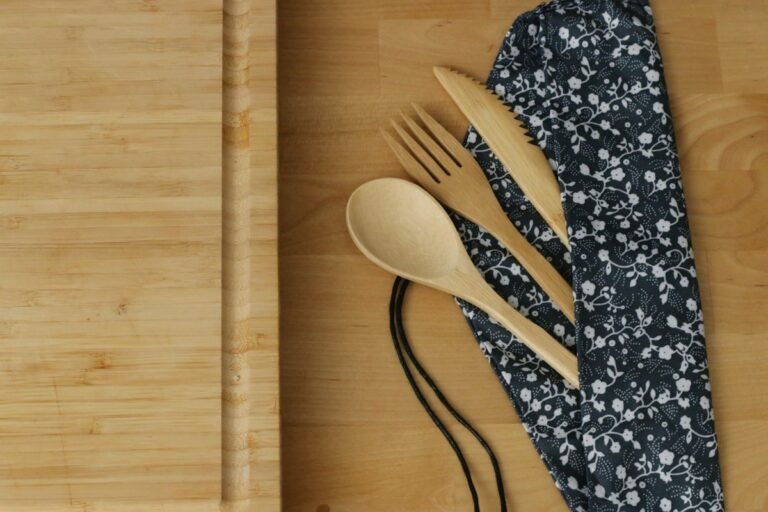
In home goods, bamboo offers structural integrity that rivals traditional hardwoods. It resists moisture, handles daily wear effortlessly, and adds an understated, organic elegance to kitchens and dining spaces.
Jute: The Golden Fibre of Resilience
Jute is one of the most affordable and strong natural fibres available. Often called the golden fibre due to its soft shine and natural color, jute offers unmatched versatility:
- Biodegradable: Jute decomposes completely into organic matter, enriching the soil rather than polluting it.
- Low footprint: It relies almost entirely on natural rain cycles rather than diverted water systems.
- High durability: Jute fibres withstand heavy loads, making them ideal for woven storage baskets, floor mats, and sturdy carry totes.
Upgrading Every Room with Purposeful Earth-Friendly Goods
Creating a sustainable home is an art of thoughtful substitution. Rather than throwing away functional items, replace them as they wear out with natural alternatives.
Kitchen & Dining
Swap plastic cutting boards and synthetic sponges for solid bamboo boards and plant-based brushes. Bamboo does not harbour bacteria easily and will not leach microplastics into your food during meal prep.
Living Areas & Storage
Replace synthetic plastic bins with hand-woven jute baskets. They hide clutter efficiently, bring warm texture into neutral rooms, and survive years of daily sorting.
To explore a complete range of handcrafted goods designed for conscious homes, check out sustainable lifestyle essentials built for modern homes and see how simple functional swaps can elevate your interior aesthetic.
Beyond Homeware: Fostering Environmental Education at Home
Sustainability should not stop at furniture and kitchenware. True lifestyle transformation happens when everyday tools become educational touchpoints for your family and community.
Aegle Sriphal takes eco-friendly design a step further by integrating plantable technology into everyday goods. For instance, plantable pencils replace traditional wooden or plastic-sheathed writing utensils. Once the pencil becomes too short to use, you simply plant the stub in a pot of soil. Embedded seeds sprout into herbs, flowers, or vegetables, turning a simple waste item into new plant life.
This approach transforms basic household items into interactive lessons about circular consumption, making environmental responsibility accessible, practical, and engaging for all ages.
Comparing the Options: Why Artisanal Focus Matters
| Feature | Standard Mass-Market Goods | Niche Aesthetic Retailers | Aegle Sriphal Essentials |
|---|---|---|---|
| Primary Materials | Plastics, synthetic composites | Hardwoods, Palo Santo | 100% Natural Bamboo & Jute |
| Environmental Impact | High chemical footprint, non-biodegradable | Variable shipping emissions | Low-footprint regional sourcing |
| Toxin Profile | May off-gas VOCs or leach toxins | Generally low | Completely chemical-free & raw |
| Circular Concept | Disposable, linear path | Decorative, limited end-of-life plan | Fully biodegradable & plantable options |
While luxury eco-retailers deliver beautiful designs, they often carry high price points and limited everyday practicality. Aegle Sriphal bridges the gap between aesthetic beauty, functional utility, and genuine environmental stewardship.
Step-by-Step Guide: How to Transition to a Zero-Waste Home
Making the leap to conscious living can feel overwhelming if you try to do everything at once. Use this simple, actionable process to guide your shift:
- Audit your plastic touchpoints: Identify the items in your home that generate the most single-use waste or feel flimsy.
- Prioritise high-use areas: Start with the kitchen and workspace, where natural materials like bamboo and jute yield immediate practical benefits.
- Choose multifunctional items: Pick woven jute totes that double as market bags and living room storage, or bamboo trays that serve both decor and hosting needs.
- Support grassroots initiatives: Look for brands that focus on regional conservation, artisan empowerment, and zero-waste packaging practices.
By taking a structured, deliberate approach, you create a home that feels calm, organised, and deeply aligned with natural living principles.
Embrace Conscious Living Today
Transforming your living space into a sanctuary of health and sustainability is one of the most rewarding decisions you can make. Every bamboo tray, woven jute bag, and plantable pencil represents a step away from throwaway consumer culture and a step toward a cleaner, greener future.
To take the next step in curating your home with intentional, earth-friendly goods, start exploring handcrafted bamboo and jute sustainable lifestyle essentials today and bring natural harmony back into your daily environment.