Ditching the Synthetic Habit: Why Sustainable Living Starts Today
Look around your living room or kitchen right now. Chances are, plastic is sitting quietly on every surface. From takeaway containers and grocery sacks to disposable cutlery and coffee cup linings, synthetic trash dominates modern life. But here is the good news: replacing these toxic items does not mean sacrificing convenience. The global demand for genuine Single-use plastic alternatives is exploding, giving rise to natural materials that return safely to the earth. In this detailed guide, we explore how natural innovations in bamboo and jute compare with emerging materials like seaweed packaging, and why switching to conscious options creates a lasting positive impact on our planet.
Every year, millions of tonnes of plastic waste pollute oceans, choke landfills, and break down into dangerous microplastics that invade human food systems. Brands like Aegle Sriphal are taking a bold stand against this crisis by crafting functional, everyday items from 100% natural, biodegradable plant fibers. By substituting daily disposable items with durable bamboo homeware, sturdy jute tote bags, and plantable stationery, households and businesses can dramatically shrink their carbon footprint. Making this switch is no longer a niche hobby; it is an urgent lifestyle shift towards a cleaner, greener tomorrow.
The Microplastic Crisis: Why Legacy Packaging Fails Us
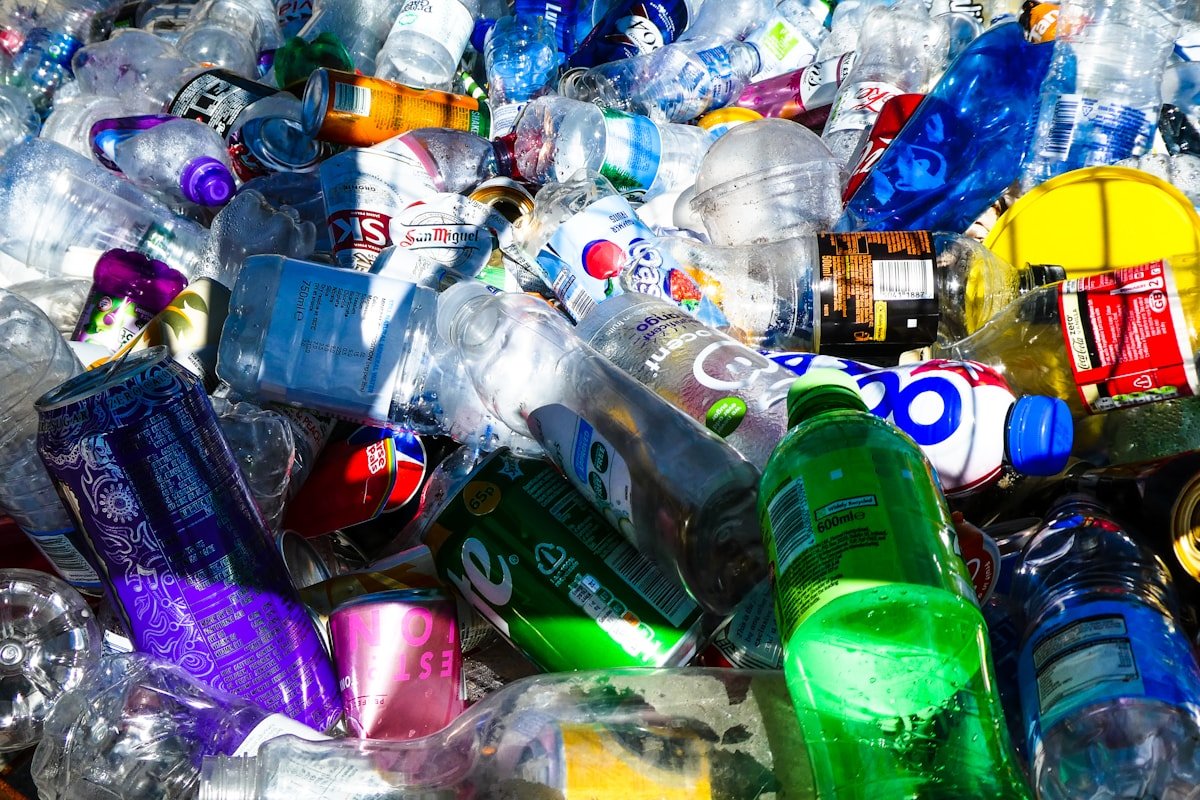
It is easy to throw away a thin plastic sachet and forget it ever existed. Out of sight, out of mind, right? Unfortunately, plastic never truly disappears. Instead, it breaks down into microplastics. These tiny fragments now turn up in drinking water, marine wildlife, and even human body tissues.
Traditional packaging relies heavily on petrol-based coatings. Take the humble takeaway box or coffee cup, for example. Even when made of cardboard, these containers are almost always lined with a hidden layer of plastic film. That film renders the packaging impossible to compost at home. When buried in landfill sites, it can persist for hundreds of years, releasing harmful chemicals into groundwater and soil.
The urgent need for immediate, natural alternatives has never been clearer. Consumers across the world are waking up to the reality that convenience should never cost the earth.
Comparing the Innovations: Seaweed, Bamboo, and Jute
Innovators across the sustainable goods market are tackling plastic pollution from several different angles. Let us look at how different eco-friendly materials stack up against each other.
Seaweed Packaging vs Plant-Based Solids
Emerging bio-tech pioneers, such as UK-based Notpla, have made headlines by using ocean seaweed to create flexible films and edible pods. Seaweed is a fantastic marine resource because it grows quickly without requiring freshwater or land fertilisers. It offers exciting solutions for edible liquid sachets and water-soluble food coatings.
However, while marine-based coatings solve specific food packaging challenges, terrestrial plant materials like bamboo and jute offer superior structural strength for everyday physical goods. You cannot make a durable food container, a sturdy tote bag, or a reusable plantable pencil out of thin seaweed film alone. This is where Aegle Sriphal steps in to bridge the gap between temporary packaging and everyday functional living.
Bamboo: Nature’s Fast-Growing Heavyweight
Bamboo is one of the fastest-growing plants on the planet. It regenerates naturally after harvesting without needing chemical pesticides or heavy irrigation.
- Exceptional Durability: Bamboo fibers possess remarkable tensile strength, making them ideal for long-lasting homeware, cutlery, and kitchen accessories.
- Natural Anti-Bacterial Properties: Unlike synthetic options, bamboo naturally resists bacteria, making it hygienic for food contact.
- Rapid Biodegradability: When a bamboo product finally reaches the end of its multi-year lifespan, it breaks down cleanly into organic matter without leaving toxic residue behind.
Jute: The Golden Fiber of Sustainability
Jute is another natural marvel. Grown extensively across South Asia, jute requires minimal farm inputs and enriches the soil it grows in.
- Sturdy and Breathable: Perfect for reusable carrying bags, sacks, and household textiles that replace hundreds of single-use plastic bags over their lifetime.
- Zero Carbon Footprint: Jute absorbs large amounts of carbon dioxide from the atmosphere during its short growing cycle.
- 100% Compostable: Once worn out, jute products degrade naturally in household garden compost within months.
If you are ready to upgrade your household routine with sustainable goods, explore sustainable bamboo and jute solutions designed for a zero-waste lifestyle.
Everyday Single-Use Plastic Alternatives You Can Adopt Now
Making the move away from single-use plastics does not require an all-or-nothing overhaul overnight. Small, deliberate choices lead to massive cumulative results. Here are actionable steps you can take today.
1. Ditch Disposable Cutlery and Straws
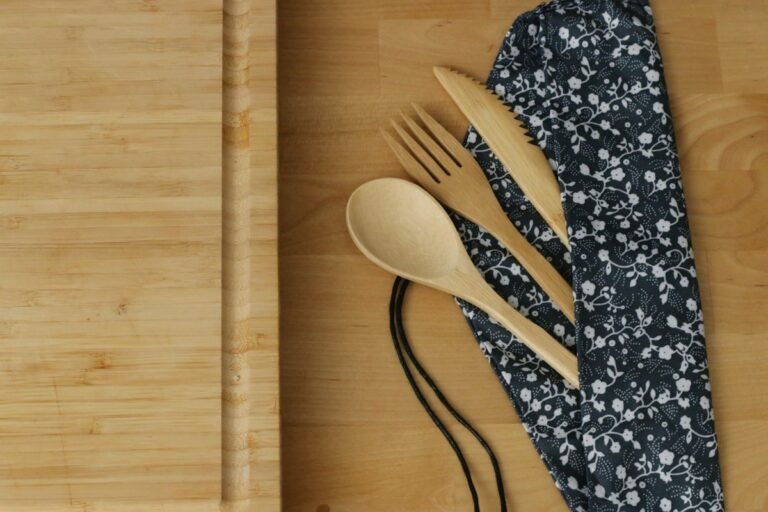
Plastic forks and straws are used for ten minutes and then linger in the environment for centuries. Keep a lightweight bamboo cutlery set in your bag or office desk. Bamboo utensils are lightweight, smooth, easy to clean, and completely non-toxic.
2. Swap Synthetic Grocery Bags for Jute Totes
Single-use grocery bags are among the most frequent plastic pollutants found in oceans. A single jute bag can replace hundreds of plastic carriers over its lifespan. Jute is strong enough to carry heavy groceries without snapping, and it looks far more stylish than flimsy petrol-based plastic.
3. Choose Plantable Pencils and Eco Stationery
Traditional wooden pencils often contribute to deforestation, while plastic pens end up directly in trash bins when the ink runs dry. Aegle Sriphal offers plantable pencils crafted with non-toxic, eco-friendly materials. Once the pencil becomes too short to write with, simply plant the stub in soil, water it, and watch seeds sprout into herbs or flowers. It turns everyday writing into an interactive lesson in environmental education.
4. Transition to Bamboo Homeware and Kitchen Essentials
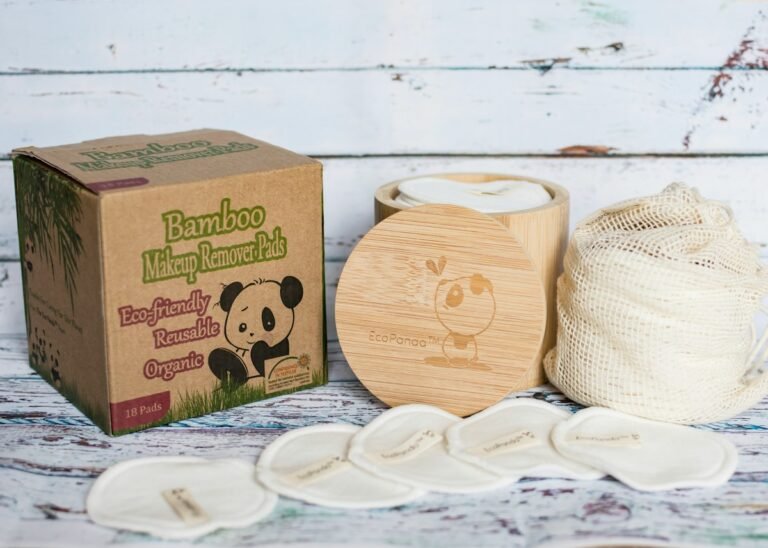
From chopping boards and serving trays to bathroom accessories, bamboo homeware brings a warm, natural aesthetic into your living space while replacing cheap plastic items that degrade into brittle waste over time.
B2B and Corporate Sustainability: Empowering Businesses to Go Green
The push for single-use plastic alternatives is not just a consumer trend; it is a major shift in corporate responsibility. Small to Medium Enterprises (SMEs), educational institutions, non-profits, and corporate offices are under growing pressure to lower their environmental footprint and align with conscious values.
Why Green Procurement Matters
- Brand Loyalty: Today’s consumers actively support businesses that demonstrate clear environmental accountability.
- Regulatory Compliance: Governments across South Asia and Europe are introducing strict bans on single-use plastics. Switching early keeps your business ahead of regulations.
- Meaningful Corporate Gifting: Replacing plastic promotional items with plantable pencils or jute bags leaves a positive, lasting impression on clients and employees.
By collaborating with institutional partners, Aegle Sriphal helps organisations switch out legacy supplies for high-quality natural goods that educate users while cutting down landfill waste.
Practical Steps to Start Your Conscious Journey
Moving towards a low-waste lifestyle is a continuous journey of mindful learning. Here is a simple step-by-step approach to help you get started:
- Conduct a Plastic Audit: Look through your home or office bin. Identify the top three plastic items you throw away most frequently.
- Prioritise High-Impact Swaps: Replace those top three items first. If takeaway bags are your main waste source, carry a jute bag. If disposable water bottles are the culprit, switch to a reusable vessel.
- Choose Natural Over Synthetic: When buying replacement items, always look for natural fibers like unbleached jute, raw bamboo, or organic cotton rather than recycled plastics.
- Spread the Word: Share your eco-friendly swaps with friends, family, and colleagues. Conscious living spreads fastest through community conversation and shared action.
To learn more about how simple material choices can transform your everyday footprint, discover eco-friendly alternatives with Aegle Sriphal and join the movement toward a healthier planet today.