Why Switching to Sustainable Lifestyle Essentials Matters Now
Let us be honest for a moment. Take a quick glance around your kitchen counter. How many plastic containers, synthetic sponges, and disposable cutleries are sitting right there? We have all fallen into the convenience trap of single-use plastics, but the environmental bill is finally coming due. Shifting towards sustainable lifestyle essentials is not about flipping your life upside down overnight. It is about making small, deliberate upgrades to the everyday items you use continuously, replacing cheap plastic with durable, natural materials that actually look good and last long.
Making conscious choices for your home starts with everyday tools that blend practical design with absolute environmental care. When you choose handcrafted bamboo kitchenware, organic jute accessories, and zero-waste daily goods, you reduce plastic pollution while creating a healthier indoor environment for your household. You can explore how Eco-Transformation: Aegle Sriphal’s Sustainable Product Initiative brings high-quality, plant-based materials into modern kitchens across India and South Asia, helping families live more mindfully without giving up utility or style.
The Hidden Cost of Conventional Kitchenware and Daily Goods
Why are so many households rushing to swap out their standard cookware and kitchen tools? The answer lies in what happens behind the scenes. Most standard non-stick pans, plastic chopping boards, and cheap utensils release microplastics and chemical residues directly into our homes.
Think about your trusty plastic cutting board. Every time your chef’s knife slices across that plastic surface, microscopic grooves are cut into the material. Where do those tiny plastic shards end up? Right into your chopped vegetables and dinner prep. Over time, that adds up to a staggering amount of ingested microplastics.
The Problem with Single-Use Synthetics
It does not end at kitchen prep board surfaces. Synthetic kitchen sponges hold onto bacteria like a magnet and shed synthetic fibres down your sink drain with every dish washing cycle. Cheap plastic storage boxes warp in the microwave, leaching toxic additives straight into your leftovers.
- Microplastic Contamination: Plastic tools shed particles directly into hot food during cooking and prep.
- Short Lifespan: Low-grade synthetic products crack, warp, and end up in local landfills within months.
- Chemical Exposure: Phthalates and BPA found in cheap plastics can contaminate daily meals.
- Environmental Strain: Non-biodegradable trash clogs waterways and disrupts natural soil ecosystems.
Moving away from these issues does not require extreme sacrifices. It simply requires switching to natural alternatives that respect both human health and planetary well-being.
Crafting a Conscious Home with Bamboo and Jute
When you look closely at sustainable lifestyle essentials, two natural materials stand head and shoulders above the rest: bamboo and jute. These are not merely trendy substitutes; they are nature’s heavy-duty building blocks designed for daily domestic resilience.
Why Bamboo Wins in the Kitchen
Bamboo is technically a fast-growing grass, not a tree. It grows back at incredible speeds without needing chemical fertilizers, synthetic pesticides, or massive irrigation systems. When harvested responsibly, its roots remain intact, holding the soil together and preventing erosion.
In the kitchen, bamboo is practically a superhero material:
- Naturally Antimicrobial: Bamboo possesses inherent bio-agents that resist harbouring harmful bacteria.
- Water Resistant: It does not absorb moisture as easily as standard softwoods, reducing the risk of swelling and cracking.
- Gentle on Cookware: Bamboo utensils will never scratch your delicate stainless steel or cast-iron cookware surfaces.
- Lightweight and Strong: It offers exceptional durability without feeling clunky or heavy in your hand.
The Strength of Organic Jute
Jute, often called the “golden fibre,” is another remarkable material that shines across home storage and decor. It requires zero chemical processing, yields huge amounts of natural material per acre, and breaks down completely at the end of its life cycle.
Using handcrafted jute baskets for vegetable storage or bread covers allows air to circulate naturally, keeping produce fresh without needing plastic wrap or sealed bags. It brings a warm, earthy texture into your living room or dining space while keeping synthetic textiles entirely out of the picture.
Practical Kitchen Hacks: From Food Prep to Scrap Management
Upgrading your home goes beyond purchasing better items. It also involves re-evaluating how you manage daily food preparation, storage, and food waste. When you pair high-quality natural kitchenware with smart zero-waste practices, cooking becomes far more rewarding.
Rethinking Food Preservation and Storage
Forget plastic cling film. It is flimsy, impossible to recycle, and annoying to handle. Instead, adopt traditional preservation techniques and natural storage tools that preserve food quality without creating waste:
- Glass and Bamboo Containers: Store leftovers in glass bowls with solid bamboo lids to keep food fresh without harmful chemicals.
- Fermentation and Pickling: Embrace traditional South Asian pickling techniques to extend the life of seasonal vegetables.
- Natural Wraps: Use reusable cotton cloth soaked in natural plant waxes to cover cut fruit and bread loaves.
- Smart Pantry Organization: Keep dry lentils, grains, and spices in clear jars so you can easily see what you have, cutting down on duplicate buying.
If you are looking to revamp your daily living routine, discovering these Sustainable lifestyle essentials can drastically reduce your household waste while giving your kitchen a clean, natural look.
Minimising Kitchen Waste Efficiently
Food scraps do not belong in plastic trash bags bound for overflowing municipal landfills, where they rot without oxygen and create harmful gas emissions.
Set up a simple countertop scrap container made from bamboo fibre or metal. Toss in vegetable peels, tea leaves, and coffee grounds. If you have access to a small garden or balcony pot, turn those scraps into rich organic compost for your house plants. It creates a closed loop right in your home.
Plantable Stationery and Daily Tools: Beyond the Kitchen
Sustainability is not restricted to the dining table. Consider the small items you touch every day across your workspace and home office. How many plastic pens sit dried up in your drawer right now?
Aegle Sriphal takes eco-conscious design a step further with innovative plantable products. Take a simple item like a plantable pencil. Made from natural graphite and paper or wood scraps, it features a small seed capsule attached to its end.
How Plantable Essentials Work
- Use It Down to the Stub: Write, draw, and work with your pencil until it gets too short to hold comfortable.
- Plant It in Soil: Stick the pencil end directly into a pot of moist soil at a slight angle.
- Watch It Grow: Water it regularly, place it under sunshine, and watch herbs, flowers, or vegetables sprout from what would have been waste.
This clever concept bridges the gap between everyday consumption and active environmental restoration. It teaches children and adults alike that waste can easily become a resource when products are designed intelligently from the beginning.
Comparing Natural Essentials vs. Traditional Synthetics
To help you see the practical differences clearly, let us look at how high-quality natural items compare against common synthetic choices across key factors:
| Feature | Bamboo & Jute Essentials | Traditional Synthetic Items |
|---|---|---|
| Material Origin | 100% Rapidly Renewable Plant Matter | Fossil Fuels & Synthetic Polymers |
| Durability | High; natural toughness withstands daily use | Medium; prone to cracking and heat damage |
| Health Impact | Non-toxic, free from BPA and synthetic dyes | Can leach microplastics and chemical residues |
| End-of-Life Process | Fully biodegradable and compostable | Persists in landfills for hundreds of years |
| Aesthetic Value | Warm, rustic, and naturally unique textures | Uniform, cold, and wears down ungracefully |
When you review the facts, choosing natural materials is not just better for the planet, it is simply a superior long-term investment for your daily household needs.
Step-by-Step Guide: Building Your Zero-Waste Kitchen Setup
Ready to make the change? Do not throw away all your plastic tools today. That creates unnecessary waste right off the bat! Instead, replace items step-by-step as your current supplies wear out.
Phase 1: The High-Impact Basics
Start with the tools you use every single day. Replace plastic cutting boards with heavy-duty bamboo boards. Swap synthetic dish sponges for natural plant-fibre scrubbers or wooden dish brushes.
Phase 2: Food Storage Upgrades
As old plastic containers warp or stain, replace them with clear glass jars and bamboo-topped containers. Toss out plastic zip bags in favour of reusable jute bags for grocery shopping and root vegetable storage.
Phase 3: Mindful Daily Living
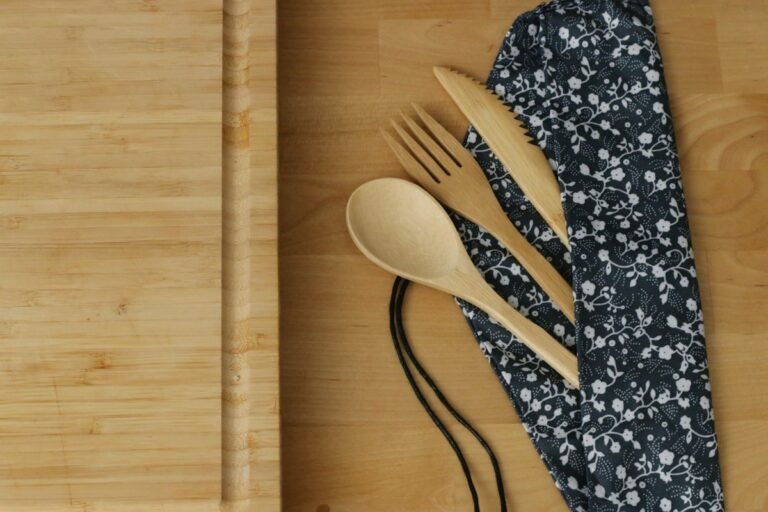
Extend your conscious choices to the rest of the home. Bring plantable pencils to your home desk, carry lightweight bamboo cutlery sets when travelling or eating at work, and use natural jute baskets to organize household clutter.
To kickstart your transition towards a greener home, explore Sustainable lifestyle essentials and discover how thoughtful, plant-based craftsmanship can simplify your journey towards zero-waste living.
Frequently Asked Questions
How do I properly care for bamboo kitchenware?
Hand wash your bamboo utensils and cutting boards with mild dish soap and warm water. Never put bamboo in an automatic dishwasher or let it soak in water for long periods. Dry it thoroughly with a towel immediately after washing, and occasionally wipe it down with food-grade oil to keep the wood moisturised.
Are jute products safe to use around food?
Yes, natural jute products are ideal for storing dry produce such as potatoes, onions, garlic, and whole grains. Jute allows air to circulate freely, preventing moisture buildup and keeping produce fresh for longer.
Why should I choose natural plant-based materials over plastic?
Plant-based materials like bamboo and jute are fully renewable, biodegradable, and non-toxic. They reduce your household’s reliance on fossil-fuel-derived plastics, lower your exposure to microplastics, and naturally decompose without polluting soil or water systems.