Rethinking Daily Consumption: The Power of Sustainable Lifestyle Essentials
Every single day, millions of plastic items end up in landfills or pollute local waterways across South Asia and beyond. Most everyday household items are built for convenience rather than longevity, leaving a long environmental footprint that lasts for centuries. Creating a realistic sustainability strategy starts at home with small, conscious swaps. By integrating sustainable lifestyle essentials into your daily routine, you can drastically cut down on household waste while encouraging a healthier, natural environment for future generations.
Transitioning toward eco-conscious living does not mean sacrificing convenience or modern aesthetic design. Aegle Sriphal leads this movement by crafting high-quality everyday goods made from 100% natural, renewable materials like bamboo and jute. From zero-waste homeware to innovative plantable stationery, adopting these items helps individuals and small businesses align their daily habits with true environmental stewardship.
Corporate Circularity vs. Grassroots Eco Action
When we look at global sustainability, massive industrial chemical producers often highlight circular economy roadmaps. For example, enterprise giants like Borealis focus on large-scale chemical recycling, polyolefin production, and decarbonising massive manufacturing plants. While industrial decarbonisation is crucial for international climate targets, it rarely gives everyday consumers or local businesses immediate, tangible actions they can take right now.
That is where grassroots eco-friendly product initiatives step in to bridge the gap:
- Direct Impact: While chemical processing plants take decades to pivot toward circularity, replacing a plastic toothbrush or synthetic tote bag with bamboo and jute creates an immediate reduction in landfill waste.
- Natural Biodegradability: Industrial plastics, even recycled ones, eventually degrade into microplastics. Natural materials like bamboo and jute break down naturally without toxic residues.
- Educational Value: Products such as plantable stationery turn daily items into active learning tools for children, students, and employees.
While heavy industry tackles carbon capture and global supply chains, everyday individuals and growing enterprises need practical solutions today. Combining personal action with high-quality natural alternatives creates a powerful bottom-up demand for a cleaner world.
Core Pillars of a Practical Sustainability Strategy
Building a lasting eco-friendly routine requires more than buying a single green product. You need a simple, structured strategy that keeps you consistent without feeling overwhelmed.
1. Source 100% Natural and Renewable Materials
Always check what your products are made of. Plastic blends and synthetic polymers often disguise themselves as recyclable, yet they end up in incinerators. Focus on rapidly renewable plants such as bamboo and jute. Bamboo grows rapidly without requiring synthetic fertilisers, making it one of the most sustainable crops on Earth.
2. Prioritise Longevity and Practical Design
An eco-friendly swap only works if it serves its purpose reliably. Look for durable kitchenware, sturdy carrying totes, and personal care items designed for repeated use. Thoughtful design ensures that sustainable choices feel like an upgrade rather than a compromise.
3. Embrace Educational and Plantable Products
Why stop at zero waste when you can actively regenerate nature? Plantable items, such as seed-infused pencils and notepad covers, give waste a second life as herbs, flowers, or vegetables. This simple feature makes environmental responsibility visual, engaging, and deeply practical.
If you are looking to revamp your home or equip your enterprise with eco-conscious supplies, explore our range of sustainable lifestyle essentials for everyday conscious living to kickstart your journey.
Essential Bamboo and Jute Goods for Everyday Living
Replacing single-use plastic across your living space or office is simple when you focus on key high-impact areas. Here are the core categories where switching to natural alternatives delivers immediate environmental benefits.
| Category | Synthetic/Plastic Standard | Aegle Sriphal Eco Alternative | Key Environmental Benefit |
|---|---|---|---|
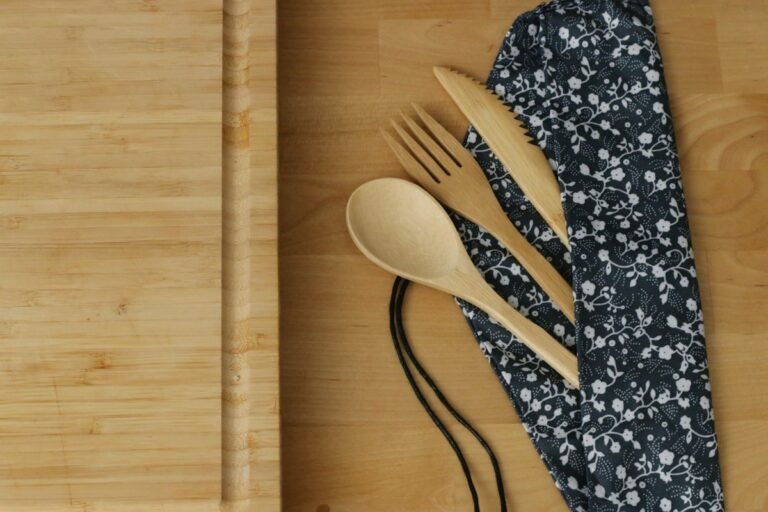
| Kitchen & Dining | Plastic cutting boards, synthetic utensils | Bamboo homeware & natural utensils | Microplastic-free, antibacterial, renewable |
| Stationery & Gifts | Disposable plastic pens | Plantable seed pencils & pens | Grows into plants, zero toxic plastic waste |
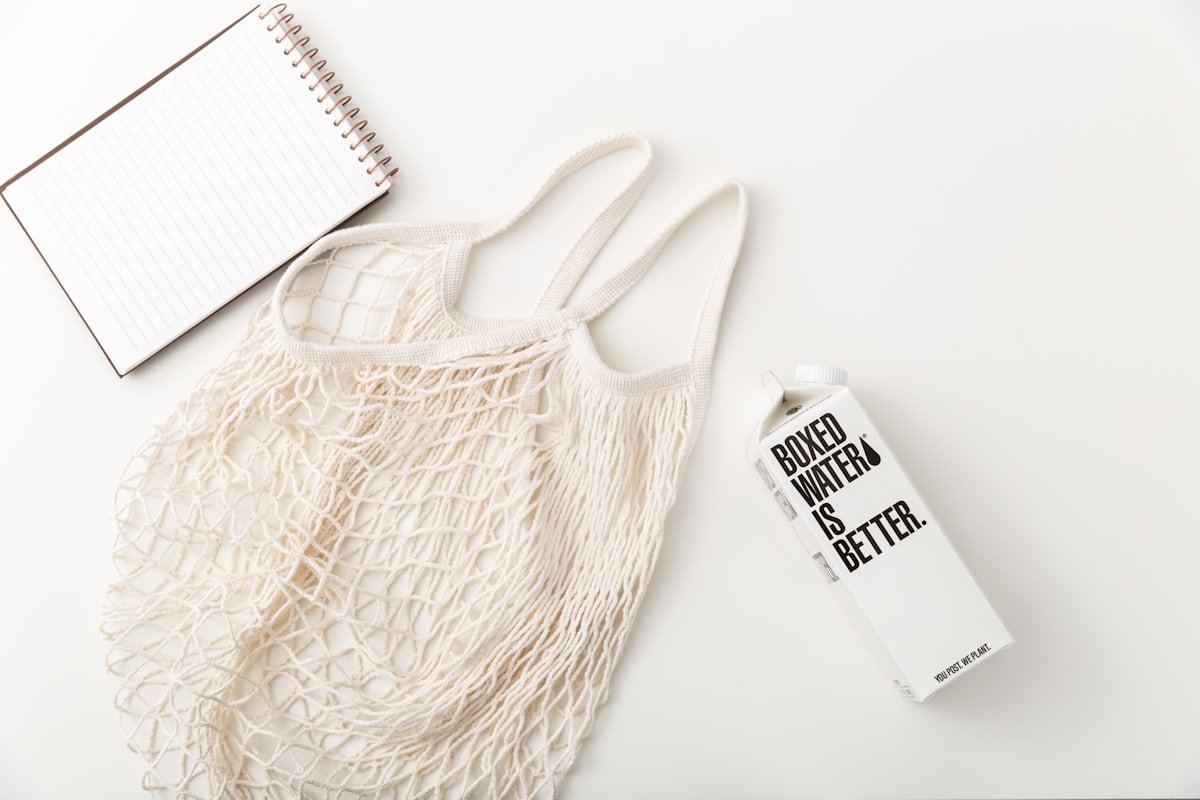
| Bags & Storage | Single-use plastic or polyester totes | Natural jute carrying bags | High tensile strength, 100% biodegradable |
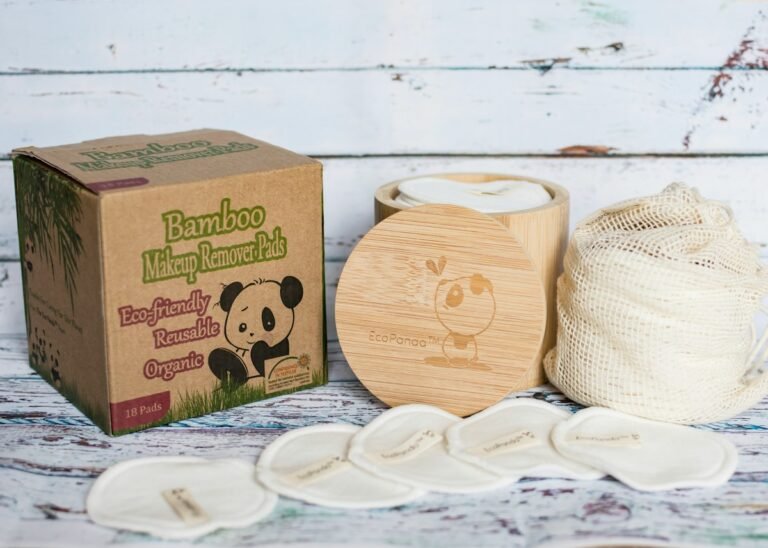
| Personal Hygiene | Plastic toothbrushes & combs | Smooth bamboo care products | Plastic-free handles, fully compostable |
Kitchen and Dining Essentials
Conventional plastic cutting boards shed thousands of microscopic plastic particles into food over time. Switching to solid bamboo homeware eliminates this health risk while providing a naturally antimicrobial, heat-resistant surface for meal preparation.
Plantable Stationery for Work and School
Pencils and pens are frequently lost or discarded before they are fully used. Plantable stationery turns leftover pencil stubs into fresh mint, basil, or wild flowers. It serves as an ideal solution for schools, corporate gifts, and home offices seeking to make a memorable green statement.
Educating Communities and Driving Regional Transformation
True sustainability goes far beyond retail transactions. Across India and South Asia, rapid urbanisation and growing consumption make community education essential. Teaching households, schools, and local businesses about waste segregation, resource conservation, and plastic reduction ensures long-term cultural change.
Small to medium enterprises (SMEs) play a massive role in this regional movement. By adopting eco-friendly office supplies and sustainable client gifts, businesses can:
- Demonstrate genuine corporate social responsibility (CSR).
- Reduce reliance on non-recyclable corporate merchandise.
- Inspire employees and clients to make conscious personal choices.
Collaborating with local educational institutions, non-profit organisations, and sustainability-focused businesses creates a ripple effect. When green choices are accessible, attractive, and affordable, entire communities shift their habits together.
Simple Steps to Start Your Eco-Transformation Today
Switching to a zero-waste lifestyle does not require an overnight overhaul of everything you own. A steady, deliberate approach guarantees long-term habit building.
- Audit Your Daily Trash: Notice which single-use plastic items enter your home or office most frequently.
- Replace as You Deplete: When a plastic item reaches the end of its useful lifespan, replace it with a natural bamboo or jute alternative.
- Choose Multi-Purpose Items: Invest in sturdy jute tote bags that double as grocery sacks, work totes, and travel bags.
- Gift Mindfully: Share plantable stationery and natural home goods with colleagues, friends, and family to spread awareness effortlessly.
- Support Local Green Supply Chains: Choose brands committed to ethical production and regional environmental growth across South Asia.
Small actions, when multiplied across thousands of households and regional businesses, create massive environmental recovery. By making deliberate swaps and choosing natural, high-performance goods, you take direct ownership of your ecological footprint.
Ready to transform your home or business with authentic, high-quality eco-friendly solutions? Start your journey today with sustainable lifestyle essentials from Aegle Sriphal and join the movement toward a cleaner, greener tomorrow.