Why Ditching Throwaways Is Easier Than You Think
Let us be honest for a second: modern life produces an absurd amount of rubbish. Walk through any supermarket or city street, and you will see mountains of single-use plastic destined to sit in a landfill for centuries. The good news? You do not have to move to the middle of nowhere, give up electricity, or live in a yurt to make a genuine difference. Shifting towards sustainable lifestyle essentials begins with small, practical swaps right where you are today. It is about choosing sturdy, natural goods over cheap disposables and learning a few foundational habits that give nature some breathing room.
Whether you live in a busy city apartment or a suburban home, creating an eco-conscious routine comes down to mindful consumption and sensible material choices. By replacing synthetic throwaway items with renewable alternatives made from natural materials like bamboo and jute, you instantly cut down on environmental waste. If you want to transform your day-to-day habits and support a cleaner future, explore how Sustainable lifestyle essentials from Aegle Sriphal redefine conscious everyday living through smart, plant-based designs that make sustainable choices second nature.
What Does Self-Sufficiency Mean in the Modern World?
Old-school self-sufficiency meant owning dozens of acres, raising sheep, and chopping your own firewood. That is wonderful if you can manage it, but most of us have jobs, flats, school runs, and busy calendars.
Today, self-reliance looks different. It means taking control of what comes into your home and where it ends up.
Think about your daily stream of waste. Every plastic toothbrush tossed out, every plastic-lined coffee cup discarded, and every synthetic pencil thrown away adds up. Becoming self-sufficient in a contemporary sense means breaking reliance on convenience culture. It means knowing how to mend what you have, growing a handful of fresh herbs on a windowsill, and choosing items built from earth-friendly fibres that will not outlive your grandchildren.
True sustainability is not about perfection. It is about reducing friction between your daily routine and the natural environment.
The Foundation: Swapping Synthetic for Renewable Materials
If you want to cut your footprint, start with the materials you touch every single day. Most consumer goods rely on petrochemical plastics because they are dirt cheap to make. But the ecological price tag is staggering.
Two natural powerhouses lead the way in responsible consumer goods: bamboo and jute.
Why Bamboo Wins the Everyday Battle
Bamboo is not technically wood; it is a giant grass. That classification matters because it grows at an astonishing speed, sometimes up to a metre in a single day.
- Rapid Regeneration: Unlike oak or pine trees, which take decades to mature, bamboo can be harvested every three to five years without damaging the root system.
- No Harsh Chemicals: It naturally resists pests, meaning farmers do not need heavy pesticides or synthetic fertilisers to keep it thriving.
- Incredible Durability: Bamboo fibres possess a tensile strength that rivals steel, making it ideal for durable homeware, toothbrushes, and daily utensils.
- Natural Biodegradability: When a pure bamboo item finally reaches the end of its useful life, it returns to the earth cleanly rather than shedding toxic microplastics into the soil.
The Power of Jute: The Golden Fibre
Jute has been a staple in South Asian agriculture for generations, and for good reason. It requires minimal water compared to cotton and absorbs massive amounts of carbon dioxide while growing. Jute shopping totes, storage baskets, and textiles provide a rugged, fully biodegradable replacement for petrochemical fabrics and flimsy plastic bags.
By keeping your daily toolkit filled with bamboo and jute, you actively starve the plastic supply chain.
Core Self-Sufficiency Habits Anyone Can Start
You do not need a rural homestead to adopt sustainable lifestyle essentials that make an impact. Borrowing core self-sufficiency skills helps you consume less and appreciate more.
1. Kitchen Food Scrap Management and Soil Health
Even if you do not have an outdoor garden, composting transforms organic kitchen waste into rich nutrients instead of methane-producing landfill clutter. Small counter-top composters or bokashi buckets let urban dwellers turn vegetable peelings, coffee grounds, and tea leaves into valuable nourishment for potted plants.
2. Window-Box Herb and Greens Cultivation
Growing food from scratch connects you to the natural cycle. Start simple. Mint, basil, coriander, and chillies grow happily in modest containers on a sunny balcony or windowsill. Harvesting your own seasoning reduces plastic packaging waste from store-bought plastic tubs.
3. Food Preservation and Mindful Cooking
Food waste is a silent killer of environmental sustainability. Learning basic preservation techniques, like pickling leftover vegetables, drying fresh herbs, or batch-cooking seasonal produce, ensures that what enters your kitchen gets eaten. When you respect the effort required to produce food, your household waste plummets.
4. Supporting Local Pollinators
Have a small balcony or tiny garden patch? Place a few native flowering plants in pots alongside a shallow dish with small stones and fresh water. Native pollinators such as bees and butterflies need urban rest stops during migration and foraging. It costs almost nothing, yet it keeps the local ecosystem alive.

Upgrading Your Everyday Carry and Home Essentials
Every room in your home offers a chance to eliminate pointless disposables. Taking an audit of your bathroom, desk, and kitchen reveals simple opportunities to implement better materials.
For instance, consider your workstation. Millions of disposable plastic ballpoint pens are thrown away each year without a second thought. Switching to wooden or plantable pencils completely changes that equation. Once a plantable pencil becomes too short to write with, you simply invert it, pop it into a pot of soil, and water it. Within days, the seed capsule embedded in the end sprouts fresh herbs or flowers. That is not just sustainable design; it is environmental education in action.
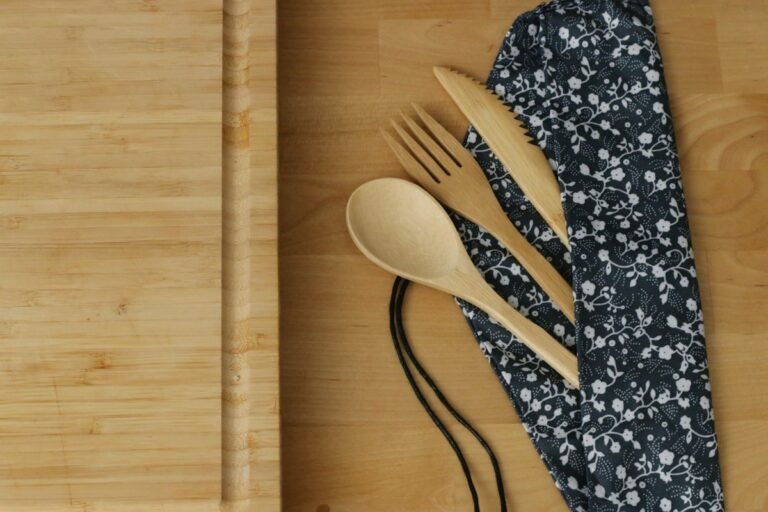
Similarly, bamboo homeware transforms kitchens and dining areas. From durable bamboo chopping boards to dining sets and reusable cutlery kits, you get long-lasting utility without introducing petrochemical resins into your meals.
If you are ready to rethink your daily setup, investing in eco-transformation by choosing natural homeware and plantable goods provides a tangible, easy starting point for any household looking to cut back on synthetic waste.
Overcoming Common Hurdles on the Green Journey
Transitioning to sustainable lifestyle essentials rarely happens overnight. You will encounter small frustrations along the way. Preparing for them makes staying the course much simpler:
- The Upfront Price Myth: Quality eco-friendly goods often cost a little more up front than throwaway plastics. But remember: disposables demand continuous repurchase. A well-crafted bamboo utensil set or durable jute tote lasts for years, paying for itself many times over.
- Navigating “Greenwashing”: Many conventional brands slap a green leaf on plastic goods and label them eco-friendly. Always check the material list. If an item claims to be made from bamboo but is bonded together with synthetic melamines or non-recyclable resins, it is not truly circular. Look for 100% natural, unadulterated materials.
- The Perfection Trap: Do not stress about achieving absolute zero waste immediately. Moving five single-use items out of your life permanently creates far more positive change than attempting extreme minimalism for two weeks and burning out.
Educating Communities and Inspiring Others
Individual action matters, but collective action changes culture. When you carry a reusable jute bag, write with a plantable pencil at work, or pull out a bamboo travel set at lunch, people notice.
In regions across India and South Asia, communities are rediscovering the power of indigenous materials. Generations prior to ours naturally lived in harmony with natural cycles because plastic had not yet flooded the market. Reintroducing bamboo, jute, and natural fibres is not some untested experimental trend; it is a return to proven, earth-conscious principles backed by modern design.
Schools, universities, and local businesses are increasingly looking for ways to cut down on office waste and corporate plastic junk. Swapping out synthetic stationery for plantable products during corporate workshops or student orientations turns a mundane supply run into an eye-opening sustainability lesson.
When you make conscious living practical, accessible, and attractive, you spark conversations that ripples across families, workplaces, and neighbourhoods.
Taking Your Next Step Toward Conscious Living
Building a sustainable home does not require heroic sacrifices. It simply asks that we slow down, pay attention to the items we bring through our front doors, and choose materials that treat our shared planet with respect.
Start with one swap this week. Switch your plastic toothbrush to a sleek bamboo handle. Trade synthetic shopping bags for rugged, breathable jute totes. Swap cheap disposable pens for pencils that you can plant directly into a pot of soil once you finish your notes. Each mindful choice weakens the throwaway economy while strengthening your connection to the physical world.
Small habits gather momentum quickly. When you pair practical self-reliance skills with well-designed natural products, living lightly on the earth becomes effortless, satisfying, and genuinely fun. Discover how simple it is to upgrade your daily routine when you embrace practical sustainable lifestyle essentials designed by Aegle Sriphal, and take your first step towards a waste-free, mindful tomorrow.