Why Raising Mindful Children Starts with Simple, Daily Habits
Look around any playroom or nursery today. You will probably spot a mountain of bright, brittle plastic gadgets that break after a week and head straight to landfill. As parents, educators, and conscious consumers, we often wonder how we can teach the next generation to cherish the earth when their toy boxes say the exact opposite. Sustainable parenting is not about living a spotless, zero-waste life overnight. Instead, it is about making practical swaps that demonstrate respect for our surroundings, helping children build green habits before bad ones ever take root.
When you introduce sustainable lifestyle essentials to your home, children learn by touching, planting, and playing. Swapping synthetic art supplies for biodegradable plantable pencils and natural alternatives creates an immediate connection between everyday objects and the living soil. If you are ready to rethink your daily household impact and introduce meaningful habits early on, you can discover Eco-Transformation: Aegle Sriphal’s Sustainable Product Initiative and see how simple, mindful tools reshape modern family life across South Asia.
The Problem with Plastic Toys and Disposable Classrooms
Plastic dominates the childcare sector. From nursery play kitchens to school stationery kits, fossil-fuel derivatives are everywhere. Most mass-market toys and school supplies are treated as disposable items:
- Cheap felt-tip markers run dry and sit in rubbish dumps for hundreds of years.
- Glossy plastic toys snap easily, cannot be recycled curbside, and end up in incinerators.
- Synthetic finishes often contain questionable paints, volatile organic compounds, or toxic binders.
Kids absorb the world around them through touch. When every toy they own is synthetic, throwaway culture becomes normal. They draw a picture, throw away the dried-up plastic pen, and never think twice about where it lands. To break that cycle, we have to show them that materials have a beginning, a purpose, and a natural end.
The Magic of Plantable Pencils: From Drawing to Sprouting
Imagine this scenario: your child spends weeks colouring, writing out school lessons, and sketching animals. Gradually, their pencil shrinks down to a tiny stub. In a traditional household, that stub hits the dustbin.
With plantable pencils, the story continues:
- Draw and write: The pencil acts like any regular, comfortable writing utensil made from natural materials.
- Pot the stub: When it gets too short to hold, your child pushes the end into a small pot of soil.
- Water and wait: Inside the capsule sits a small cache of seeds (like herbs, wildflowers, or vegetables).
- Watch it grow: Within a couple of weeks, green shoots poke through the soil, replacing a discarded item with new life.
This is environmental education in action. It teaches patience, biology, and waste reduction without a single lecture. Your child learns firsthand that waste can actually regenerate nature when designed thoughtfully.
Natural Play: Comparing Wooden Brands and Everyday Essentials
European brands like Little Dutch have done a wonderful job popularising wooden toys, such as nursery train tracks, play workbenches, and dollhouses coated in non-toxic water-based paints. These pieces are durable, aesthetically pleasing, and certainly a step up from battery-powered plastic.
However, many European-focused options come with high price tags, long shipping emissions, and a narrow focus on bedroom aesthetics rather than whole-home sustainability. Aegle Sriphal addresses this gap by focusing on locally rooted, renewable materials like bamboo and jute, creating products that speak directly to communities across India and South Asia.
While wooden play kitchens look lovely on a Pinterest board, sustainable parenting goes beyond the toy shelf. It touches everything your child uses daily: the bags they carry to school, the utensils they use at lunch, and the homeware surrounding them. By choosing locally sourced, renewable resources, families lower their carbon footprint while supporting ethical manufacturing close to home.
Bringing Eco-Friendly Materials into Everyday Routines
How do you bring these ideals into a busy family schedule without losing your sanity? You keep it simple. Look at your child’s daily routine and pick one or two spots to switch to natural materials.
1. Upgrade the Art and Study Station
Children run through stationery at breakneck speeds. Replacing synthetic markers and plastic ballpoint pens with graphite sticks, wooden crayons, and seed pencils cuts out a huge chunk of dry waste. It turns homework time into a lesson on mindful consumption.
2. Move Away from Synthetic Storage
Plastic storage bins crack, yellow with age, and shed microplastics. Switch them out for sturdy jute baskets or bamboo crates. Jute is tough, biodegradable, and breathable, making it perfect for holding toys, laundry, or sports gear. Plus, it brings a warm, earthy texture into your home.
3. Pack Planet-Friendly Lunches
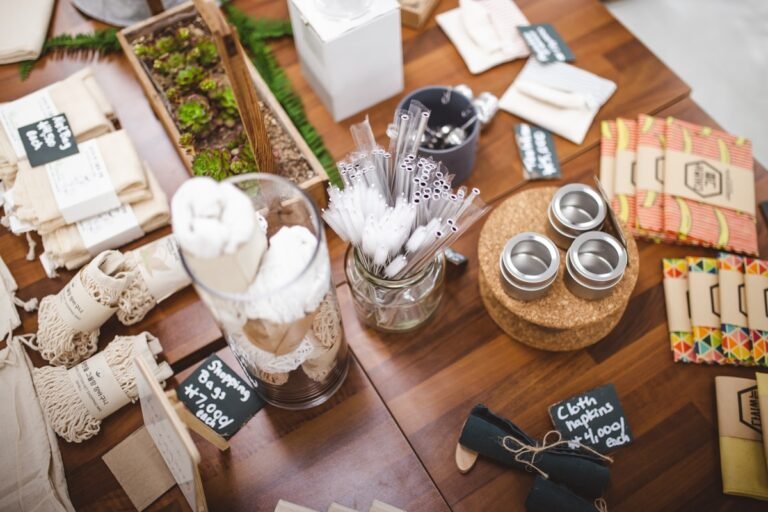
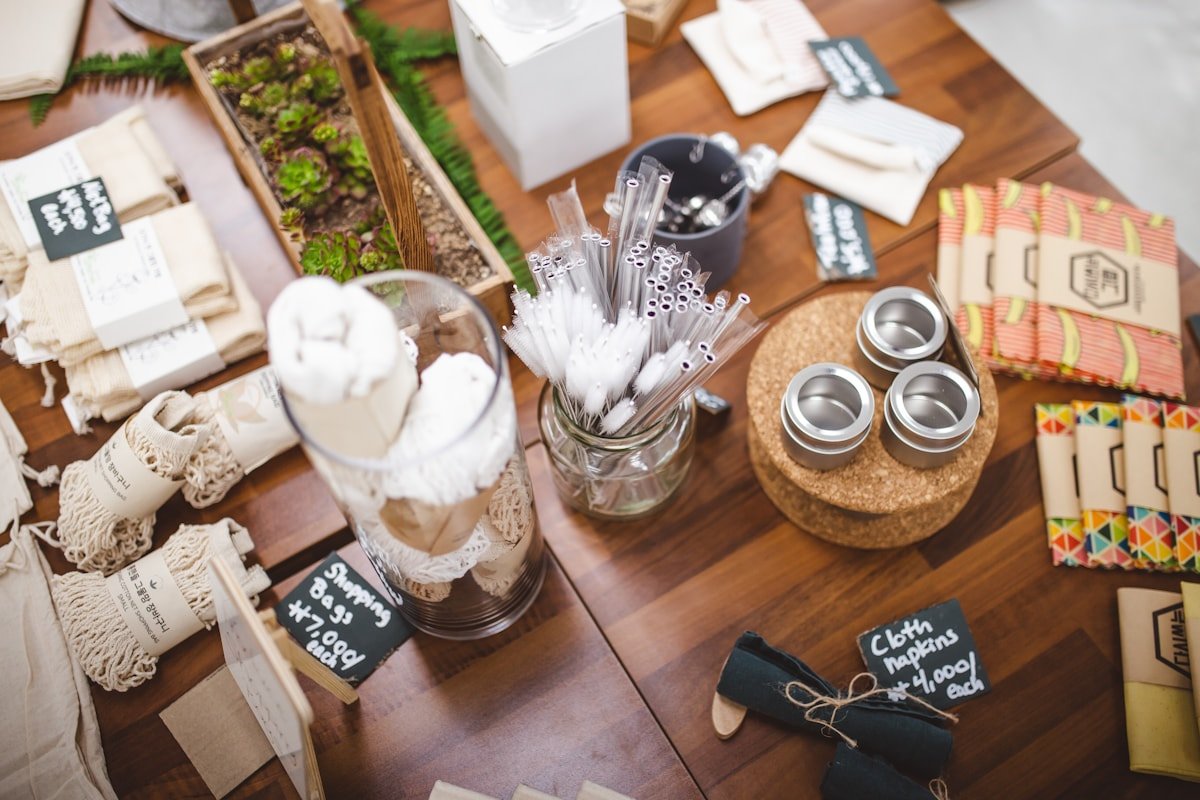
School snacks do not need five layers of cling film. Simple steel tins, bamboo cutlery, and woven bags can replace disposable wrappers entirely. When children see their meals packed in real materials, they take pride in bringing those containers back home to wash and reuse.
If you are looking to audit your daily household habits and introduce durable sustainable lifestyle essentials, you can find thoughtfully designed alternatives that make green parenting practical and accessible for modern homes.
Educating the Next Generation Across South Asia
Sustainable parenting is not an isolated hobby; it is a cultural shift. Across India and South Asia, communities face distinct ecological challenges, from strained waste management systems to seasonal air pollution and resource depletion. Teaching kids to care about the earth is not just a trend here; it is essential for regional resilience.
When parents and schools collaborate, the impact multiplies:
- Classroom seed projects: Entire primary classes can plant their pencil stubs in school gardens, turning a writing lesson into a community garden patch.
- Workshops and community drives: Local youth groups can learn about the strength and versatility of bamboo, discovering how indigenous plants offer modern alternatives to single-use plastics.
- Mindful gifting: Swapping plastic party bags for plantable stationary kits inspires other parents to reconsider what they buy for birthdays and celebrations.
Children are naturally curious and remarkably observant. When you show them that an object does not have to be thrown away to rot in a ditch, they carry that awareness into adulthood. They begin asking questions: Where did this come from? What is it made of? Can it return to the earth?
Three Simple Steps to Start Your Eco-Parenting Journey Today
You do not need to gut your house and throw away existing plastic items. That creates unnecessary waste. Instead, follow these basic steps to transition gracefully:
- Use what you have first: Run your current plastic markers, pens, and bins until they are genuinely finished.
- Swap intentionally: When a household or school item reaches the end of its life, replace it with a 100% natural, biodegradable alternative.
- Involve your child in the process: Let them plant the seed pencil, water the pot, and feel the natural weave of jute. Direct participation builds lifelong habits far better than abstract rules.
Raising conscious kids is one of the most powerful contributions a family can make toward a cleaner, healthier future. By choosing responsibly harvested materials, rethinking everyday essentials, and turning simple items like pencils into flourishing green plants, we give our children practical tools to care for their world. To begin transforming your family routine with mindful, nature-based products, explore Sustainable lifestyle essentials from Aegle Sriphal and join the growing movement toward conscious living today.